

Arla Foods achieved record financial results in 2025, with high-protein products and cold brew coffee proving to be the key drivers of growth. According to FoodNavigator, it was these segments that delivered the bulk of the growth in both the B2B sector and branded products.
Record figures for the dairy company
In 2025, Arla reported:
- revenue of €15.1 billion (+9.4%);
- milk processing volume of 14.3 billion kg;
- net profit of €415 million;
- milk price of 56.4 euro cents/kg.
This growth occurred despite the unstable situation on the global dairy market and fluctuations in raw material prices.
Protein — the main driver
The company’s ingredients business, particularly sales of protein and whey ingredients, was the key driver of success. Revenue in this segment rose by more than 40%, whilst sales of protein ingredients increased by 29%.
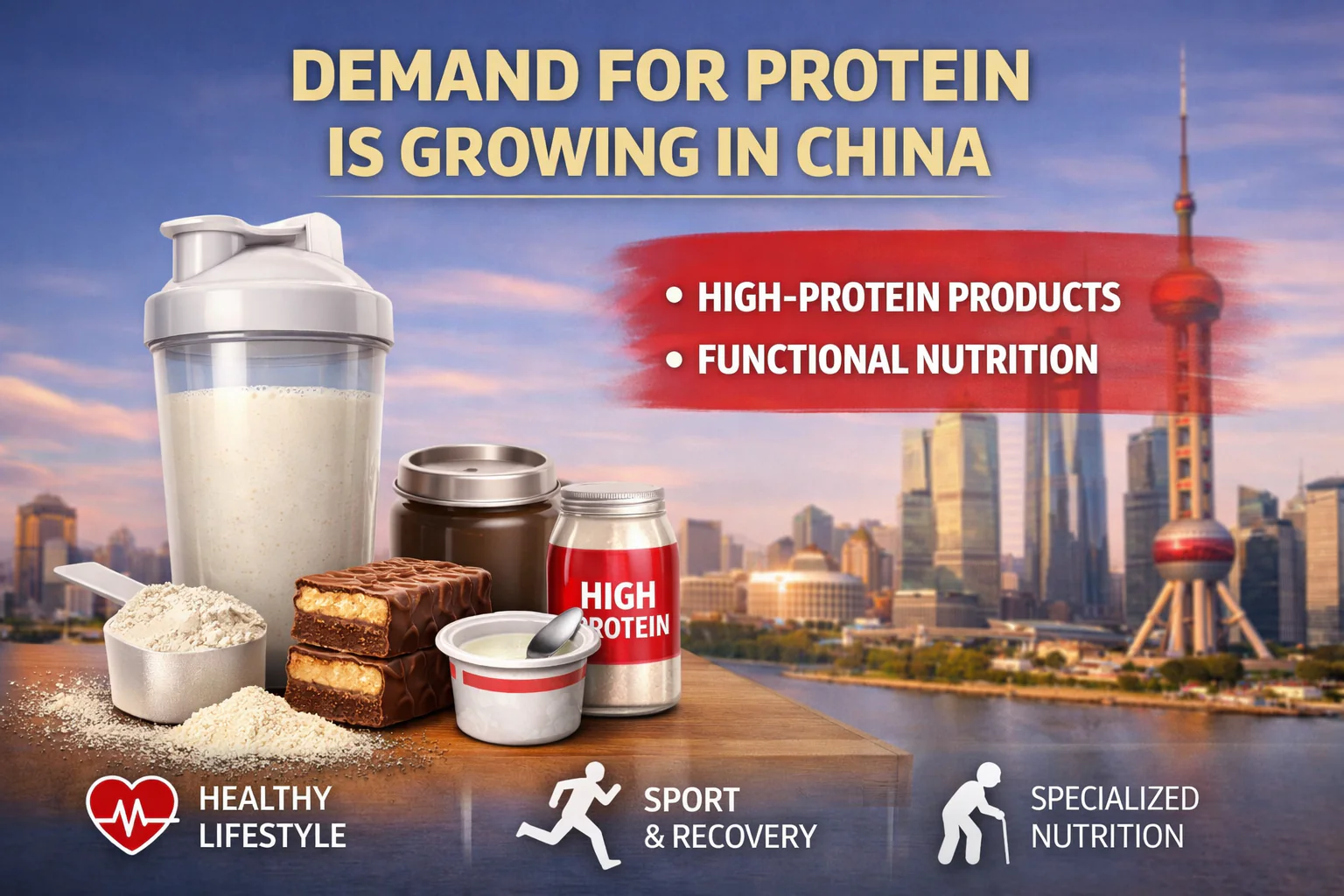
Demand for protein surged in 2025 due to trends in healthy eating, sports nutrition and weight management.
“Demand for protein is growing as a result of global demographic changes and trends towards a healthy lifestyle,” said Arla CEO Peder Tuborgh.
The company is actively investing in the production of protein ingredients, particularly in processing facilities in the UK, where whey protein isolate is manufactured.
Iced coffee — the second driver
The second key driver of growth was branded products, in particular Starbucks cold brew coffee, which Arla produces under licence.
It was this segment that delivered the highest growth rates in volume:
- +13.9% in the global portfolio;
- +15.7% in Europe.
The main contributor was the Starbucks Protein Drink with Coffee, which expanded into the markets of Europe, the Middle East and Africa.
Brands: uneven performance
Total revenue from branded products exceeded €7 billion (+6.9%), although sales volumes remained virtually unchanged (+0.2%).
The best results were achieved by:
- Arla Protein (+19.5%);
- Arla Skyr (+17.8%);
- Starbucks ready-to-drink coffee.
At the same time, premium products, particularly Lurpak butter, saw a decline in sales volumes due to high prices (–3.3%).
Strategy: focusing on ingredients
The ingredients business has been a key factor in Arla’s stability amid challenging market conditions. This has enabled the company to offset weaker results in the retail segment.
Overall, the ingredients division recorded growth of 43.1%, confirming the effectiveness of the strategy to develop the B2B segment.
Outlook: cautious optimism
Despite a record year, Arla does not expect to repeat such results in 2026 due to a surplus of milk on the global market and pressure on prices.
The company forecasts revenue of €13.3–14.1 billion with a profit margin of 2.8–3.2%.
At the same time, lower prices could stimulate a recovery in demand for dairy products and an increase in sales volumes.
Conclusion
Arla demonstrates that the dairy industry is increasingly focusing on high-protein products and functional drinks. The combination of the ingredients business and innovative categories, such as cold brew coffee, is proving to be the key to growth, even in volatile market conditions.
Source: FoodNavigator