
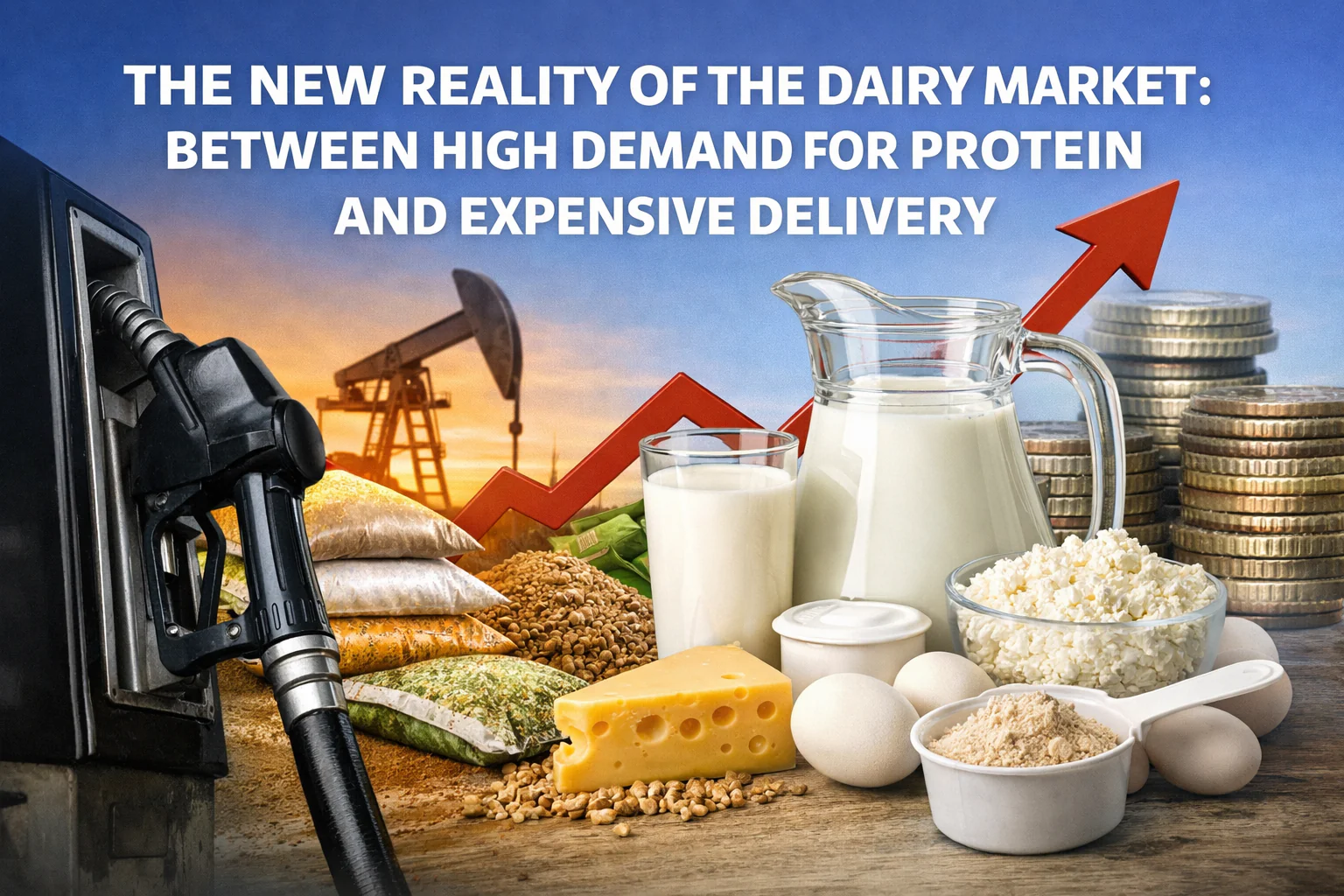
According to IDFA, The global dairy market in 2026 is being shaped by two key factors — growing demand for protein and rising production costs, linked to higher prices for energy and fertilisers.
Rising fuel prices are putting pressure on the dairy sector
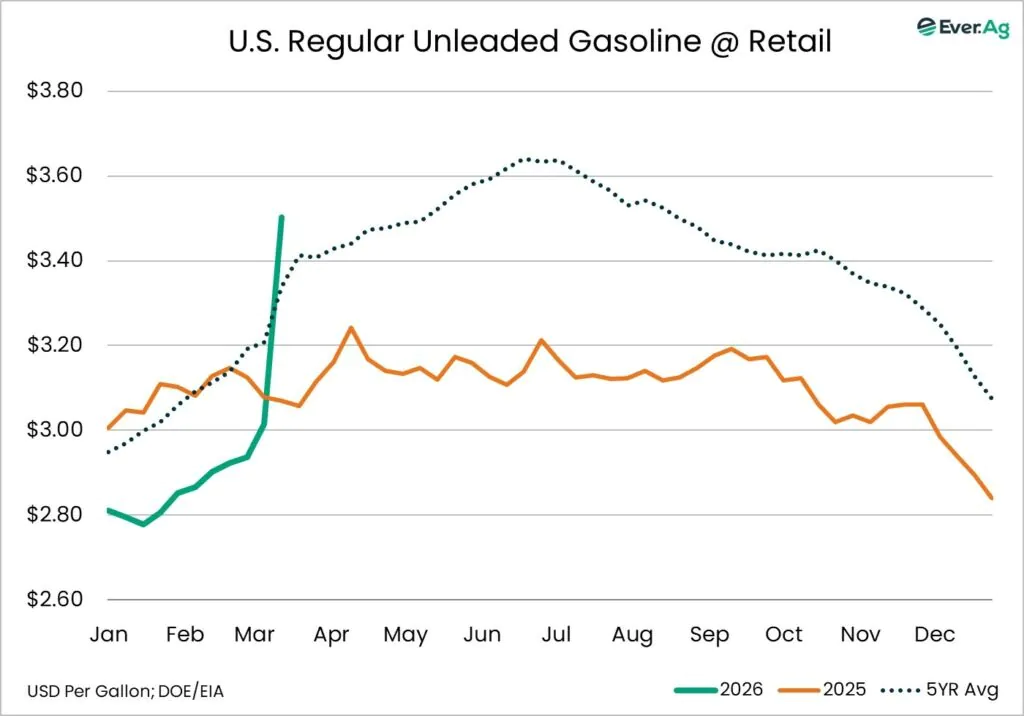
Following a stable 2025, fuel prices in the US rose sharply against the backdrop of the conflict in the Middle East.
The average price of petrol rose from around $2.90 to $3.50 per gallon, which immediately affected farmers’ costs.
The rise in energy prices has led to:
- the rising cost of diesel fuel;
- an increase in fertiliser costs;
- logistical complications due to risks in the Strait of Hormuz.
According to the USDA, as of early March:
- Urea and potash prices rose by 8% year-on-year;
- ammonium sulphate — by 15%;
- MAP and DAP — by 11–13%;
- anhydrous ammonia rose by 20%;
- liquid nitrogen (28%) — to 30%.
This increases the cost of milk production and puts additional pressure on farmers during the spring sowing season.
Consumer demand is shifting
Rising fuel costs mean that households are spending more on energy.
Under such circumstances, as analysts point out, this may lead to a reduction in spending in other sectors, particularly restaurants, which could potentially affect demand for dairy products.
Protein is becoming a key driver of demand
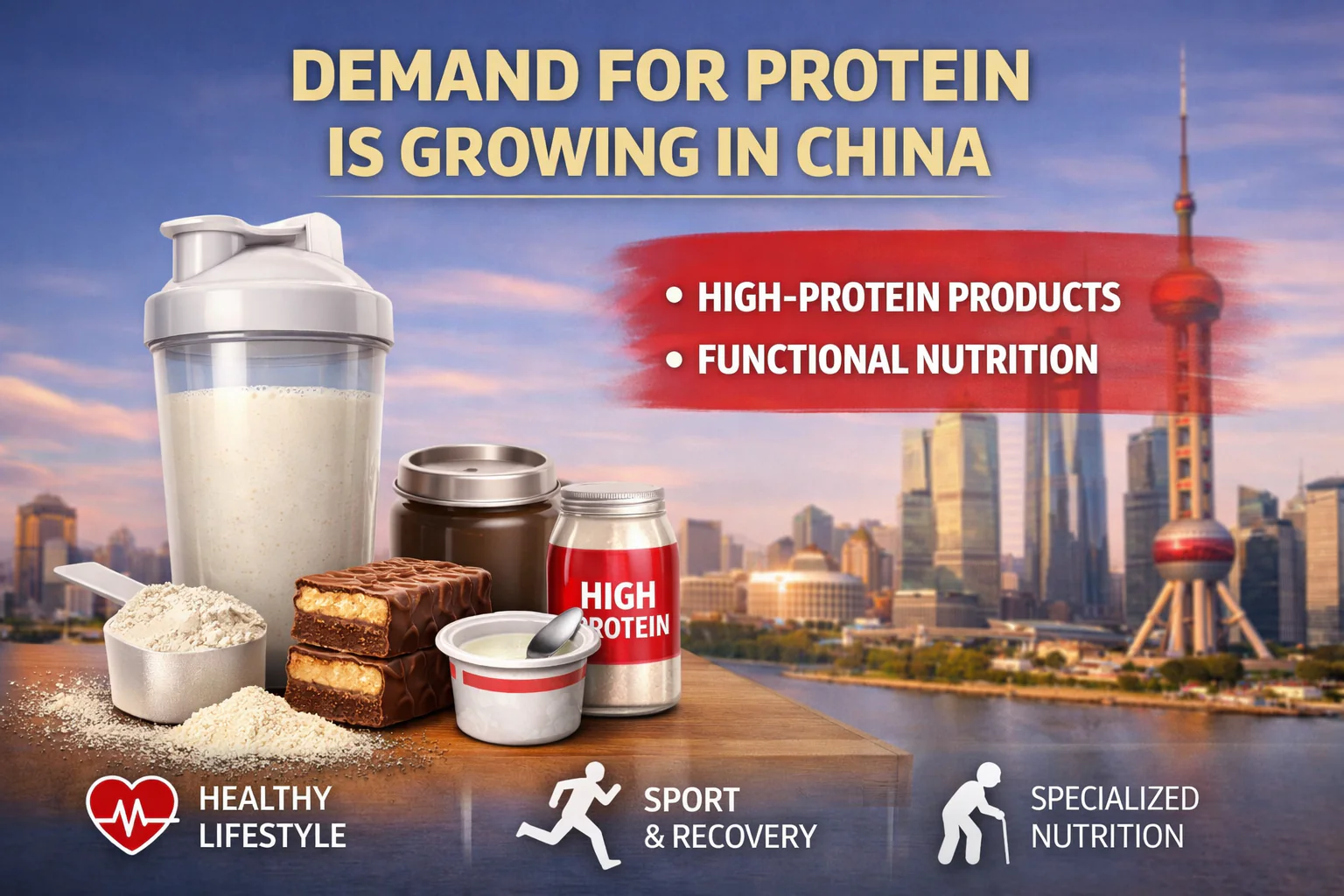
At the same time, one of the main drivers of the market remains demand for protein products, where dairy products hold a competitive advantage.
Specifically:
- around 38% of Americans regularly eat cheese as a source of protein;
- Popular cheeses (cheddar, mozzarella) contain 6–7 g of protein per ounce;
- hard cheeses (e.g. Parmesan) — up to 10 g of protein.
Interest is growing particularly rapidly in:
- Cottage cheese — up to 11–12 g of protein per serving;
- functional dairy products with additional health benefits.
Innovations in dairy products
Manufacturers are actively adapting to new trends:
- are launching products with a higher protein content;
- add probiotics and functional ingredients;
- emphasise nutritional value in their marketing.
In particular, new high-protein, low-calorie cheese snacks are appearing on the market, as well as snacks that combine great taste with increased protein content.
The outlook for the dairy sector
Despite rising costs, the dairy sector retains its growth potential thanks to the trend towards healthy eating. Their high protein content, naturalness and functional benefits make dairy products competitive compared to other categories.
At the same time, the market’s future development will depend on:
- stabilisation of energy prices;
- availability of resources for farmers;
- manufacturers’ adaptation to new consumer trends.
Source: IDFA