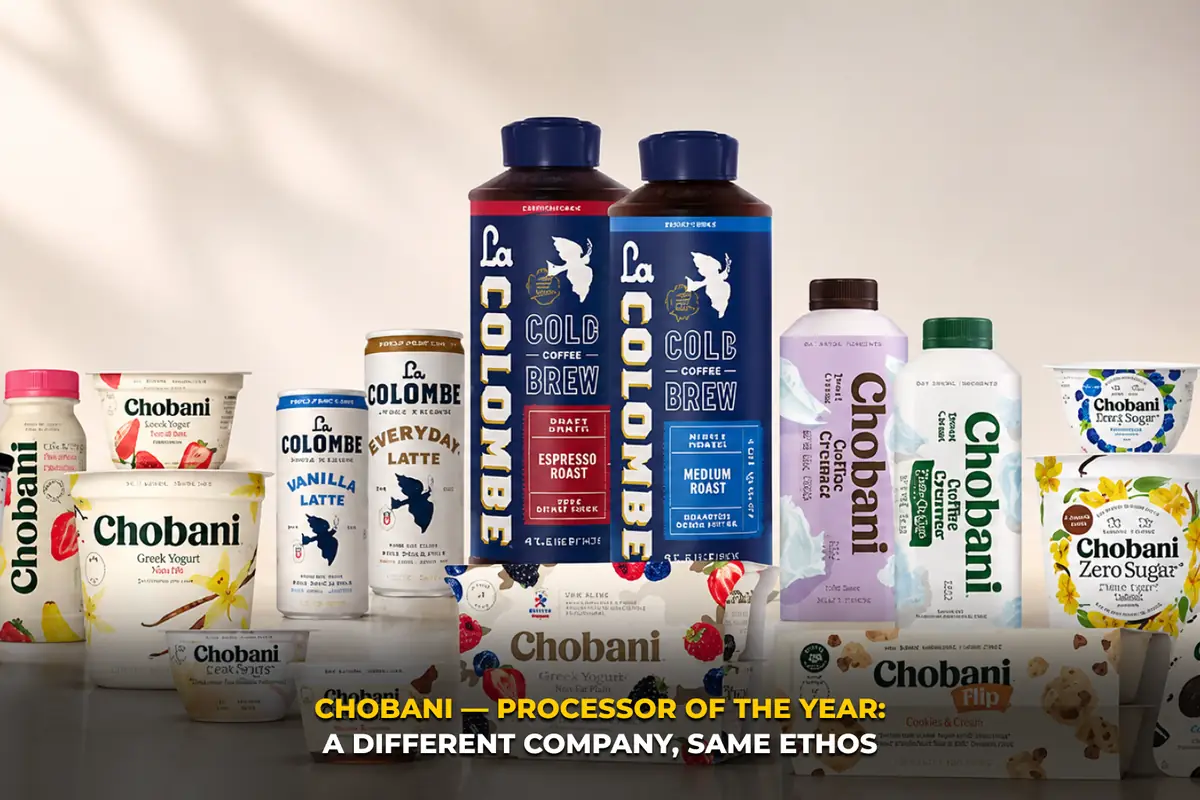
US magazine Food Processing has named Chobani its Processor of the Year for the second time. Over 20 years, the company has grown from a small yoghurt plant into a diversified group with sales of more than USD 4.5 billion, Food Processing reports.
Key points:
- in 2012, Chobani first became Processor of the Year, having just passed USD 1 billion in sales;
- today, the company makes not only Greek yoghurt but also coffee creamers, ready-to-drink coffee and frozen plant-based meals;
- Chobani is investing more than USD 1 billion in each of its new plants in Rome, New York, and Allentown, Pennsylvania;
- by 2030, the company expects to compete in more categories and reach more consumers than ever before.
From a yoghurt plant to a USD 4.5 billion group
In 2012, Chobani was the magazine’s eighth Processor of the Year, having just passed the USD 1 billion sales milestone. Back then it was strictly a yoghurt company, only a year or two removed from its original name, Agro Farma Inc.
Today’s Chobani is a different company. It still dominates Greek (actually Turkish) yoghurt but has also made significant inroads in coffee creamers, then ready-to-drink coffee and, most recently, frozen plant-based meals and snacks. According to the publication, sales have surpassed USD 4.5 billion.
Humble beginnings
Founder Hamdi Ulukaya grew up on a dairy farm in eastern Turkey, where his family mainly made cheese and some yoghurt. He came to New York state in 1994 to study, began importing his family’s feta and eventually opened a small feta plant in Johnstown.
In 2005, he saw an advertisement for a just-closed Kraft Breyers yoghurt plant in South Edmeston, New York. Parts of it dated back to 1901, but «the shell of the plant was OK», he said, and much of the equipment — tanks, pasteurisers and fillers — remained.
With a US Small Business Administration loan, Ulukaya bought the plant, fixed it up with a cousin and brought in a master yoghurt maker from Turkey. By late 2007, he was ready to launch.
Ulukaya wanted to make not the sweet yoghurt sold by Dannon and Yoplait but a thicker, slightly tart, higher-protein yoghurt like the one he grew up with. He named the brand Chobani, which means «shepherd» in Turkish and other Mediterranean languages.
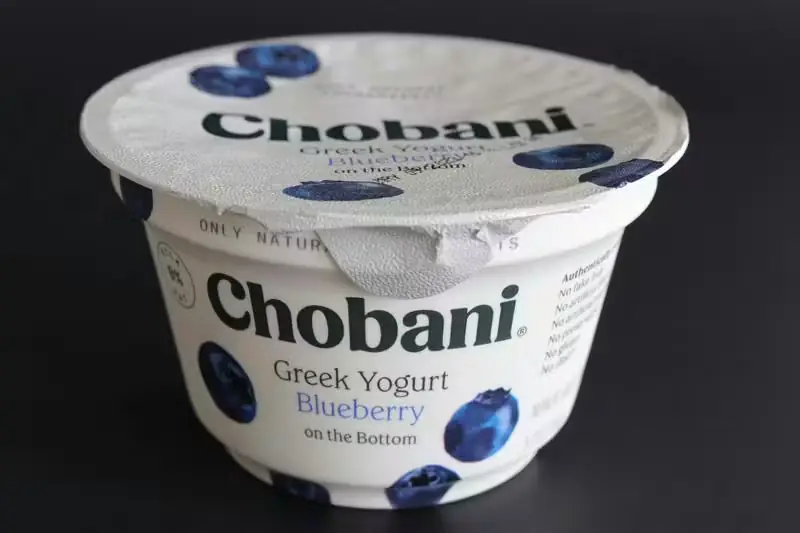
The first batch went to an Everfresh store on Long Island. Sales grew slowly at first, but 18 months later the Stop & Shop chain, with 375 stores in New York, New Jersey and New England, placed an order and put Chobani in its main dairy case.
«That was a milestone. That’s when we knew we were on to something», Ulukaya said.
Big investments
Chobani quickly outgrew the former Kraft plant, and in 2012 what was then called «the world’s biggest yoghurt plant» was built in Twin Falls, Idaho, for USD 500 million. Last year the company spent the same amount to double its capacity, and this year committed more than USD 1 billion each to new plants in Rome, New York, and Allentown, Pennsylvania.
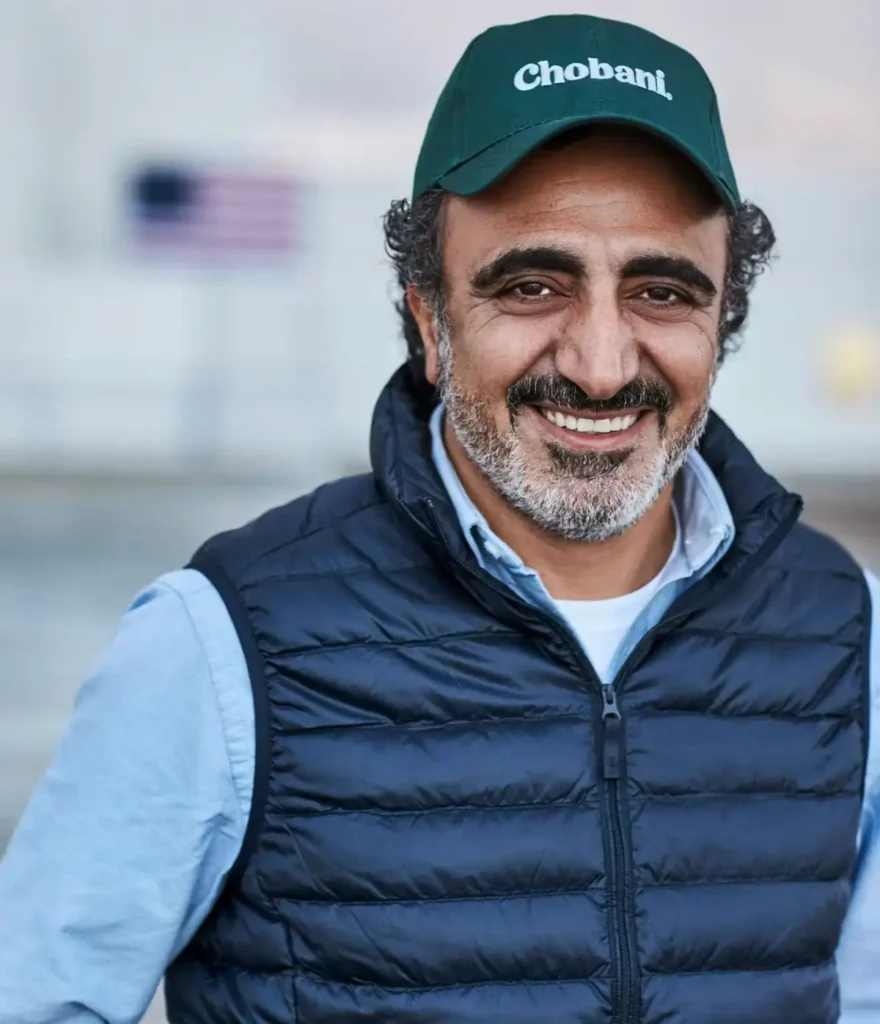
«New York is where Chobani’s journey began. It was the perfect spot to start Chobani 20 years ago, and it’s the perfect place to continue our story», says Hamdi Ulukaya.
Chobani entered Australia in 2011 by buying Bead Foods, a processor and distributor of the Gippsland dairy brand. Local production began in Dandenong at the end of 2012, and Chobani is now Australia’s No. 1 yoghurt brand.
Diversification
At the end of 2023, Chobani acquired coffee company La Colombe for USD 900 million. La Colombe’s ready-to-drink line had more than tripled over the previous five years, and Chobani’s ownership got it into many more stores. This spring, Chobani funded a USD 567 million expansion of La Colombe’s plant in Norton Shores, Michigan, which will more than double capacity and employment.
In May 2025, Chobani acquired Daily Harvest, a maker of frozen plant-based meals and snacks that started as a smoothie delivery service. Thanks to Chobani, Daily Harvest products are reaching more retailers’ freezer cases, and the range has expanded to include oat bowls.
«When Chobani started making Greek yogurt, it was a proof point that entire categories can be radically reimagined. We saw the same opportunity in coffee and frozen: categories where consumers deserved better choices», says Chief Customer Officer John Frost.
The founder’s social mission
Ulukaya is known for his social activism. In 2016, he founded the Tent Partnership for Refugees to mobilise the world’s biggest businesses to hire refugees, and the same year gave about 10% of the company’s stock to its 2,000 employees.
Today, Chobani offers 12 weeks of fully paid leave to all new parents, and its minimum starting wage for full-time manufacturing and corporate hourly workers is USD 21 per hour.
The next chapters
«The next chapter is about building on what we’ve always done best: making great food, bringing it to more people and using our growth to create a bigger positive impact», says Frost.
«By 2030, we expect to be competing in more categories, operating at a greater scale across the U.S. and reaching more consumers than ever before. As we grow, we’ll continue reinvesting in the things that matter most: our people, our manufacturing network, the communities we serve and our ability to make high-quality food accessible to more families».
Source: Food Processing