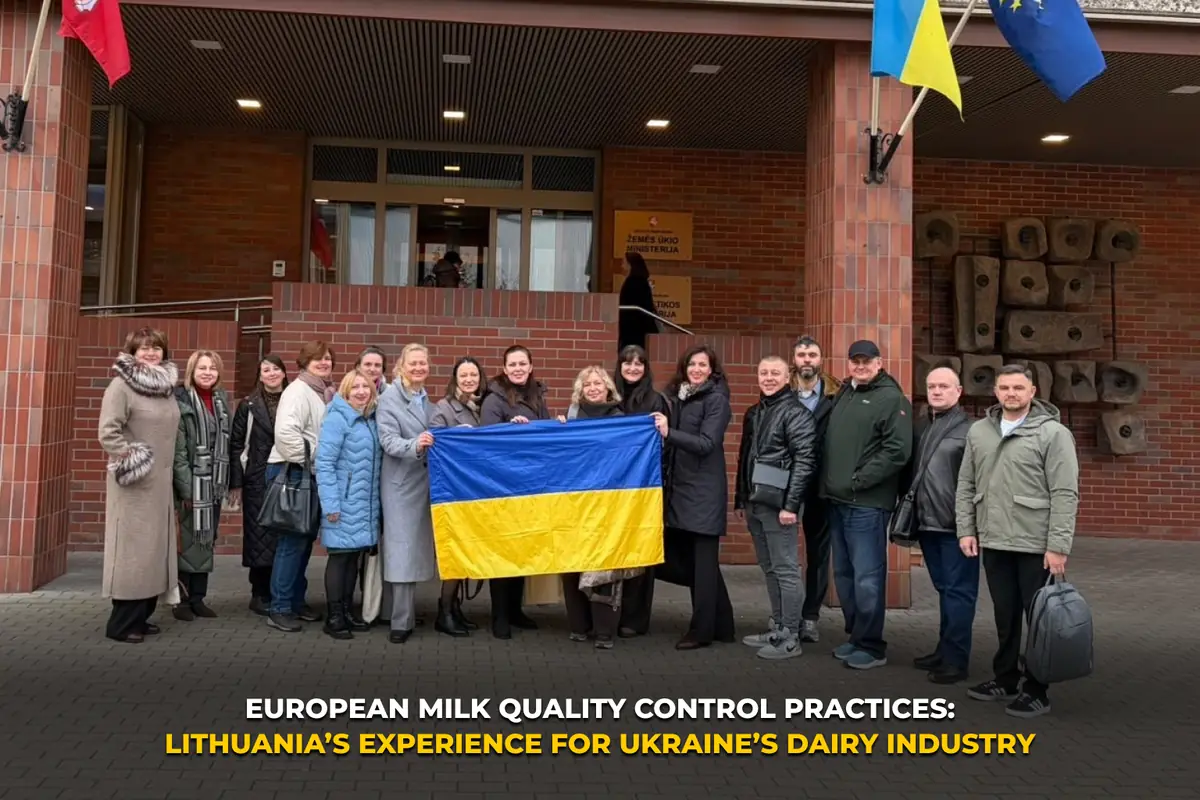
On 9–11 November 2026, a Ukrainian delegation made a study visit to the Republic of Lithuania focused on practical aspects of raw milk control, laboratory testing, animal welfare and carcass classification. The Union of Dairy Enterprises of Ukraine (UDEU) was represented by Vitalii Kolodii, Raw Materials Director at Ternopil Dairy Plant PJSC (Molokiya brand), the Union of Dairy Enterprises of Ukraine reports.
Key points:
- in Lithuania, milk purchases are governed by uniform rules, and the price depends on milk composition and quality;
- all raw milk purchases are recorded in the centralised digital system PAIS;
- the independent laboratory Pieno Tyrimai serves about 7,500 farmers and carries out about 2.3 million tests a year;
- Lithuania’s experience is relevant as Ukraine sets up a reference laboratory for milk testing.
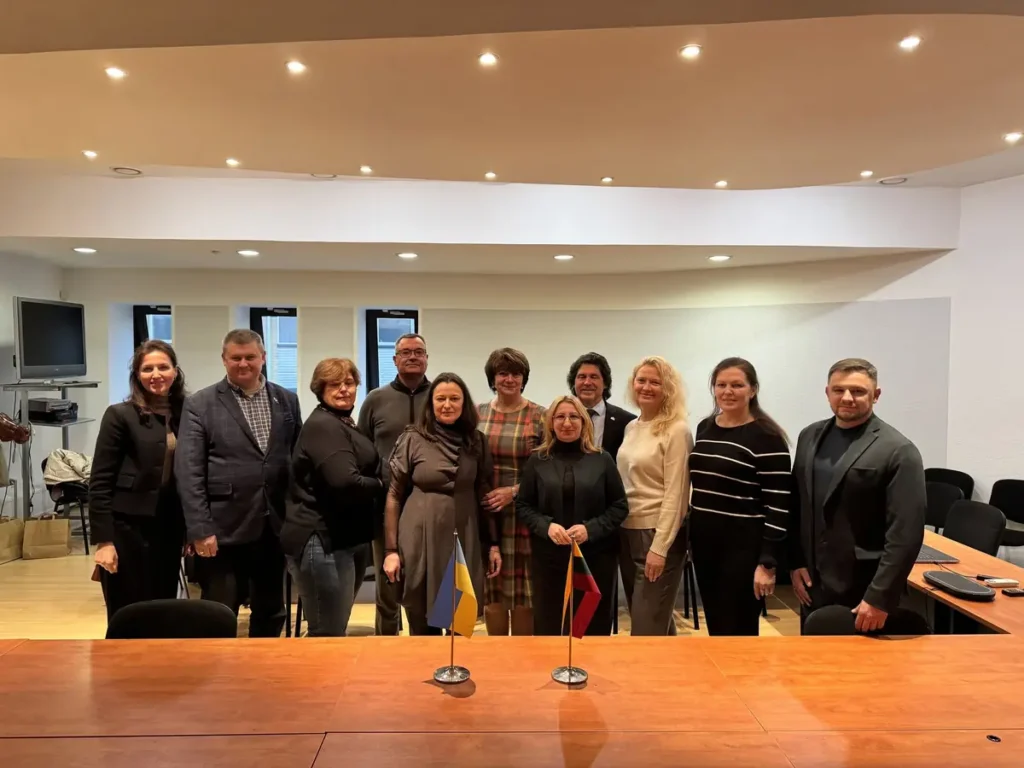
The visit focused on Lithuania’s raw milk quality control model, which combines regulated purchasing procedures, centralised recording of market data and independent laboratory testing whose results are used for settlements between producers and processors.
The Ukrainian delegation also included representatives of relevant government bodies, the State Service on Food Safety and Consumer Protection, the State Scientific Research Control Institute of Veterinary Medicinal Products and Feed Additives, and the Milk Producers Association.
The programme included working meetings at Lithuania’s Ministry of Agriculture, the State Food and Veterinary Service (VMVT), the Agricultural Data Centre and industry organisations, as well as visits to a dairy farm, a milk testing laboratory and a meat processing plant.
Milk purchasing: uniform rules for producers and processors
A key focus of the visit was Lithuania’s raw milk purchasing system, including how milk quality is assessed and the purchase price determined.
In Lithuania, these relations are governed by the Milk Purchasing Rules approved by the Ministry of Agriculture. They reflect European Union (EU) legislation, in particular Regulation (EU) No 1308/2013 establishing a common organisation of the markets in agricultural products and Regulation (EC) No 853/2004 laying down specific hygiene rules for food of animal origin.
The Lithuanian model requires written contracts between milk producers and buyers, defined procedures for sampling and testing, and the use of laboratory results in payments for delivered milk.
The purchase price is based on milk composition and quality. If milk fails to meet the requirements, the rules provide for payment adjustments or refusal to accept it.
For dairy processors, this approach provides a regulatory basis for assessing the quality of purchased milk and justifying payments to suppliers.
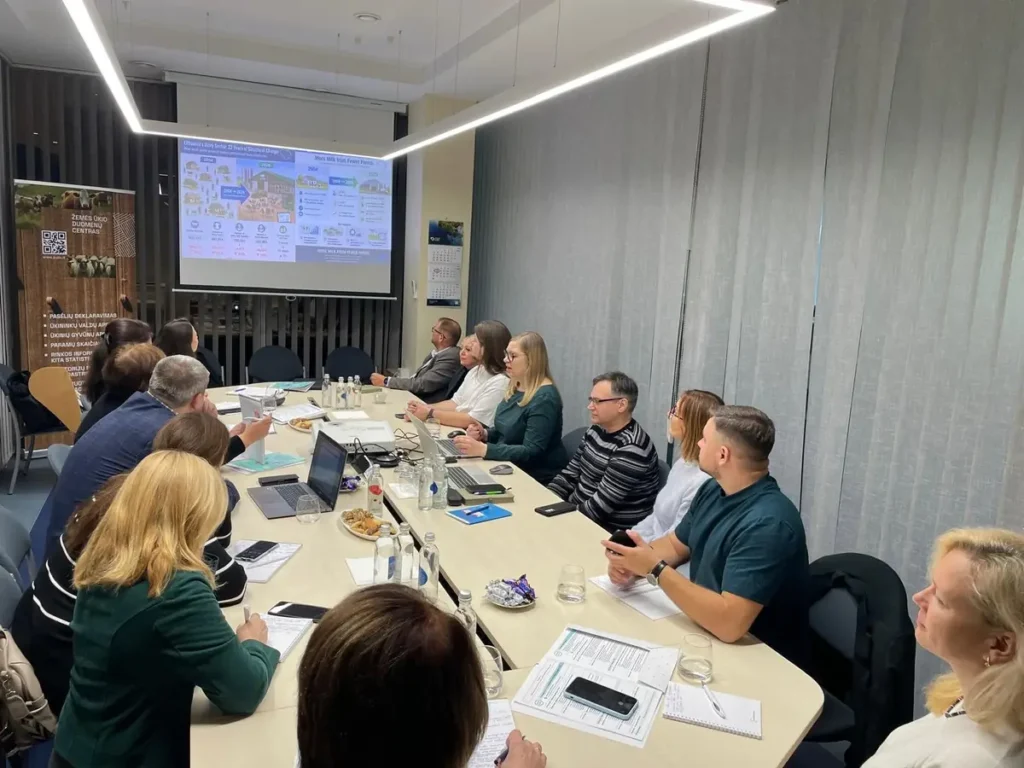
At a meeting at the Lithuanian Ministry of Agriculture with Vice-Minister Rolandas Taraškevičius, the Ukrainian specialists also learned how responsibilities are divided between bodies responsible for policy, control and the administration of sector data. The practical application of EU requirements in dairy production, animal welfare and carcass classification was also discussed.
PAIS digital system: recording purchases and market transparency
A key element of the Lithuanian system is centralised recording of raw milk purchases through the Milk Accounting Information System (Pieno apskaitos informacinė sistema, PAIS), administered by Lithuania’s Agricultural Data Centre.
The system collects data on registered milk buyers and producers, purchase volumes, prices and other indicators needed for market recording and monitoring.
Milk buyers must submit reports, including on purchased volumes and contracts. The data are used to produce aggregated statistics for analysing the dairy sector.
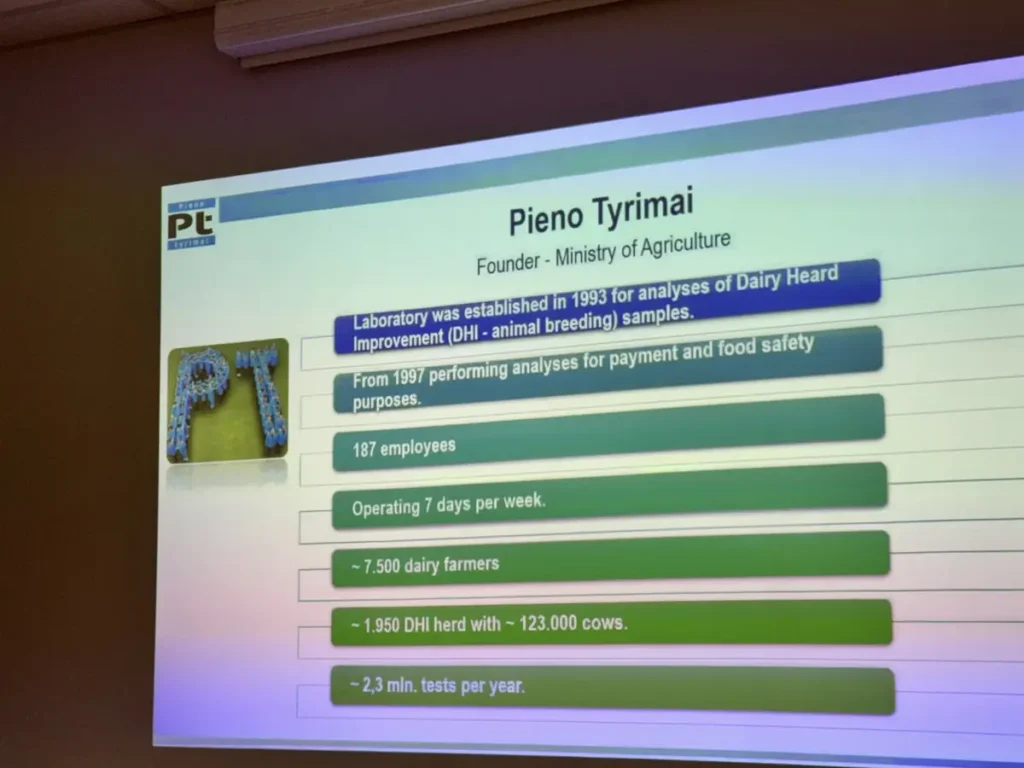
This model makes it possible to systematise purchase data and provide market participants with the information they need to assess price trends and make business decisions.
The delegation discussed practical aspects of pricing, quality-based deductions and dispute resolution with the Lithuanian Dairy Association Pieno centras and the Lithuanian Chamber of Agriculture. Particular attention was paid to the reliability of test results, as they determine the actual value of delivered milk.
Pieno Tyrimai: independent laboratory control
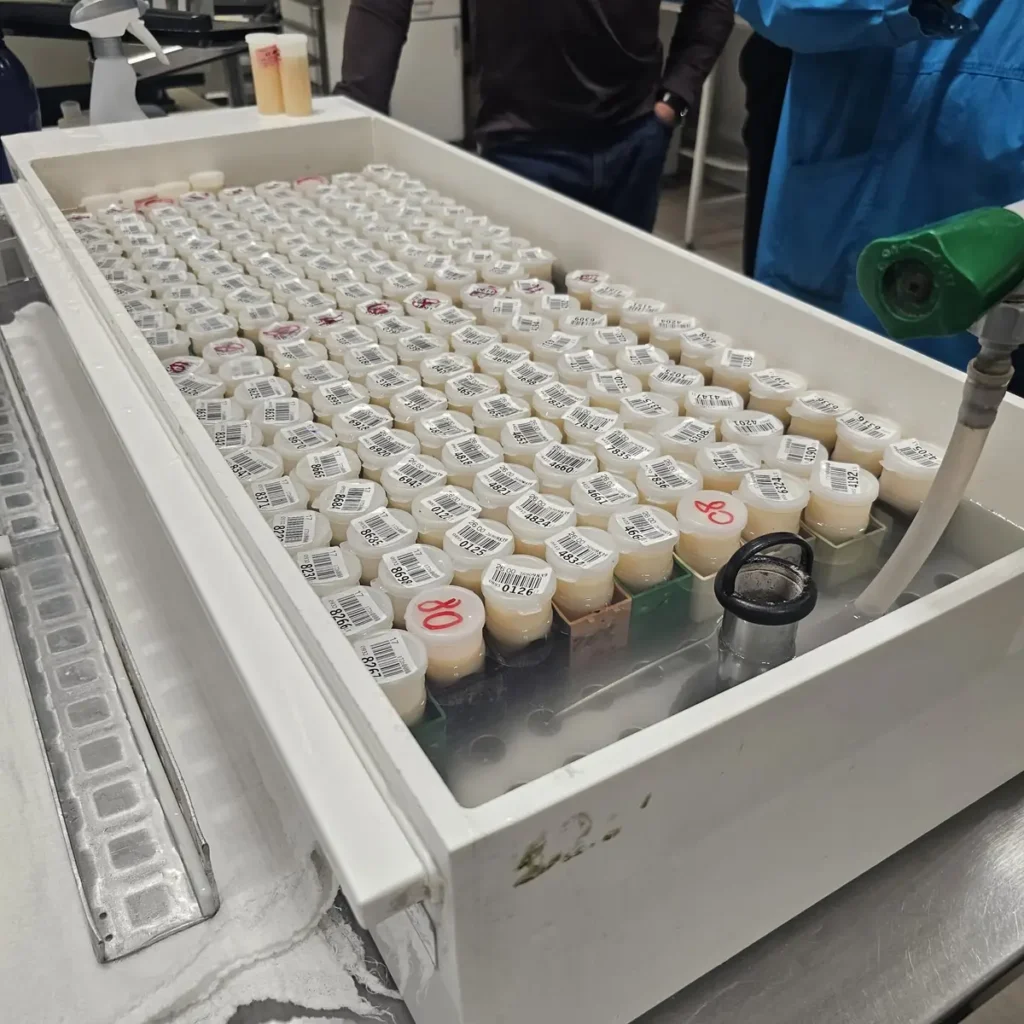
A central practical stage of the visit was the Pieno Tyrimai laboratory in Kaunas, which tests raw milk for composition, quality and safety.
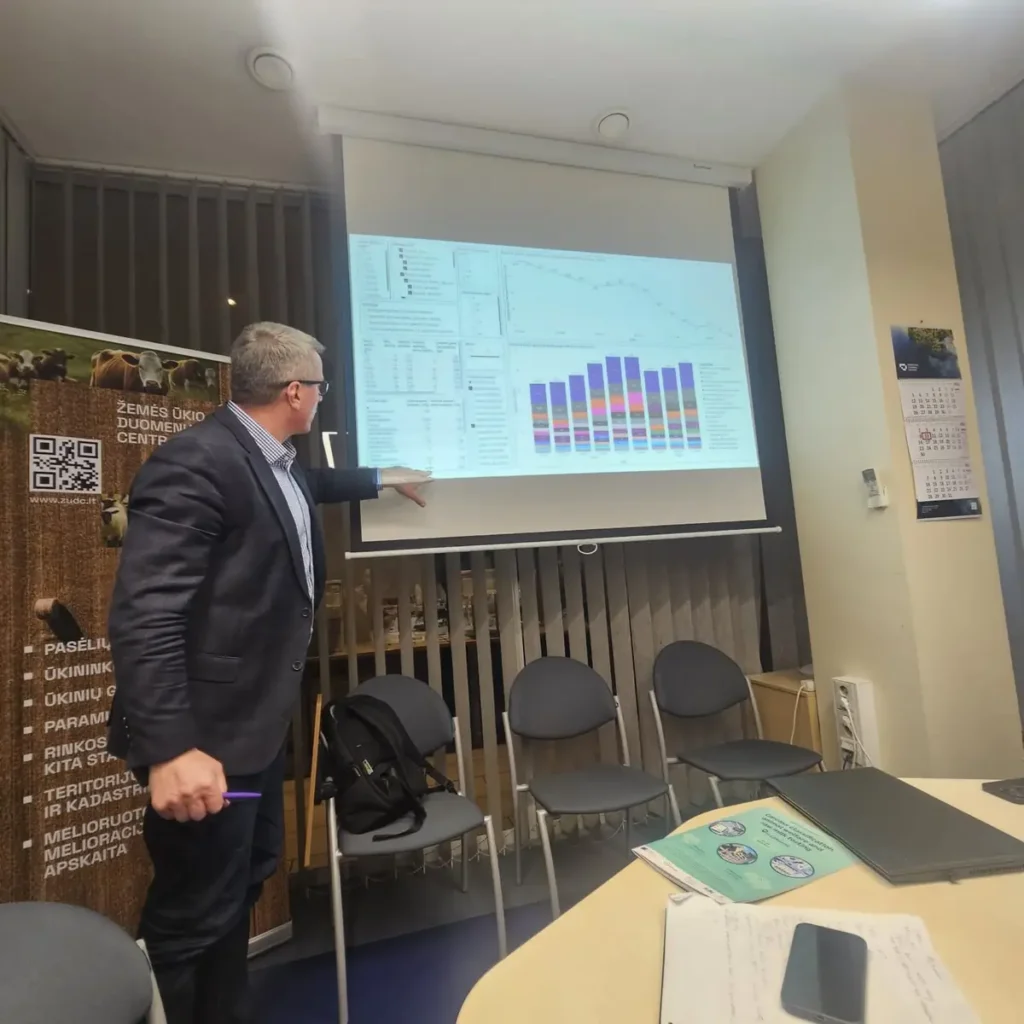
The laboratory was founded in 1993 to carry out testing under the Dairy Herd Improvement (DHI) programme. Since 1997, it has also carried out testing whose results are used in payments to milk producers.
Pieno Tyrimai is accredited to the international standard ISO/IEC 17025 and takes part in international professional organisations, including the International Dairy Federation (IDF) and the International Committee for Animal Recording (ICAR).
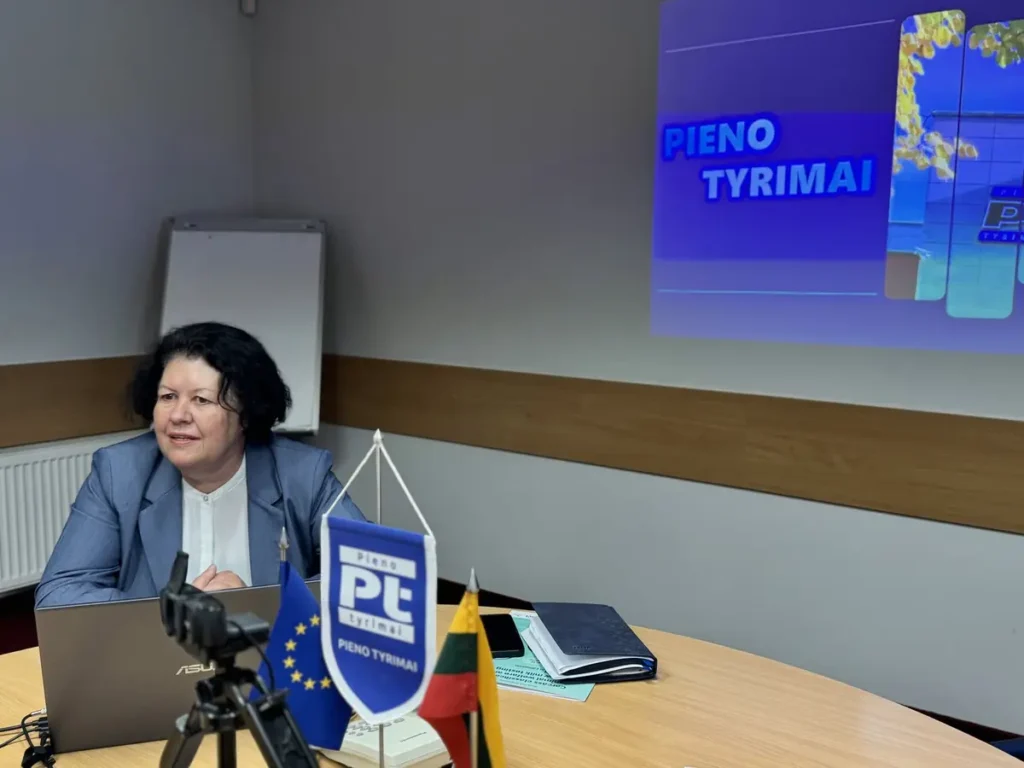
According to information presented during the visit, the laboratory has 187 employees, serves about 7,500 farmers and carries out about 2.3 million tests a year. Its work covers several areas:
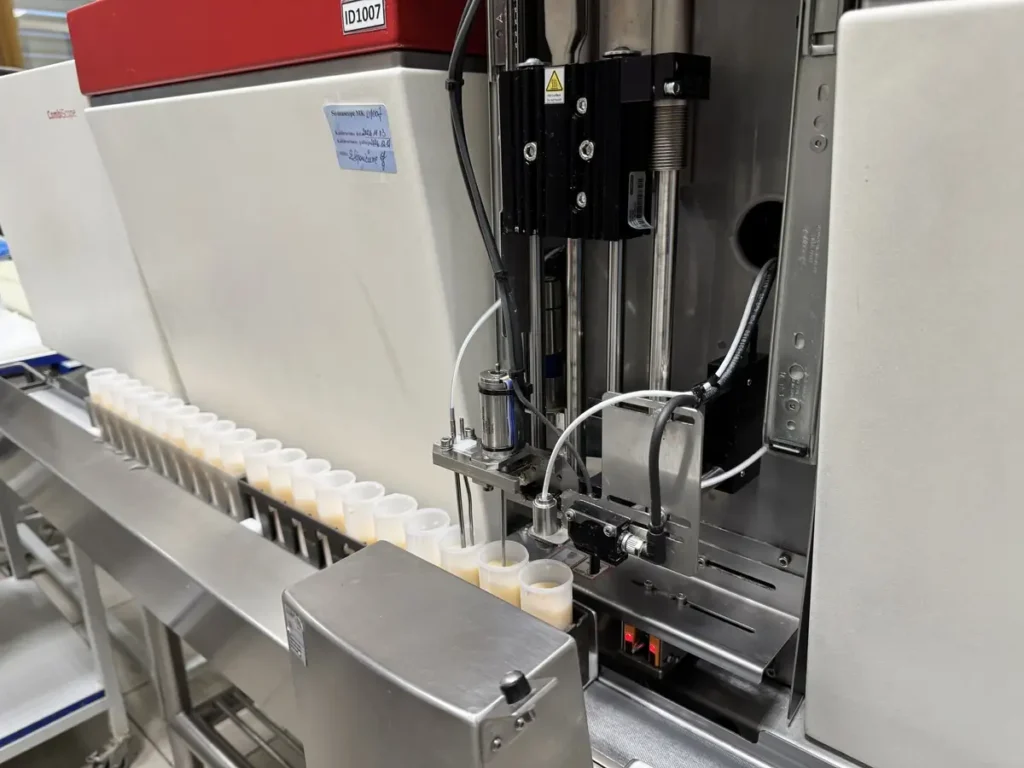
- Bulk milk quality control: fat, protein, lactose, urea, somatic cell count, total bacterial count, inhibitory substances and other indicators.
- Individual milk samples: analysis of cow productivity and health under the DHI programme, used for herd management.
- Specialised testing: diagnosis of mastitis pathogens, antibiotic susceptibility, feed, fatty acids, lactoferrin and polymerase chain reaction (PCR) testing.
At the laboratory, the Ukrainian specialists studied the entire testing process in detail, from planning sample collection routes, transport, receipt and registration to analysis, reporting and transfer of data to state systems.
Of particular interest were the mechanisms for ensuring reliable results: validated methods, internal quality control, inter-laboratory comparisons and traceability of testing.
Independent laboratory control and standardised testing procedures are important conditions for objective assessment of milk quality, especially when results directly affect financial settlements between producers and processors.
Milk quality control at farm level
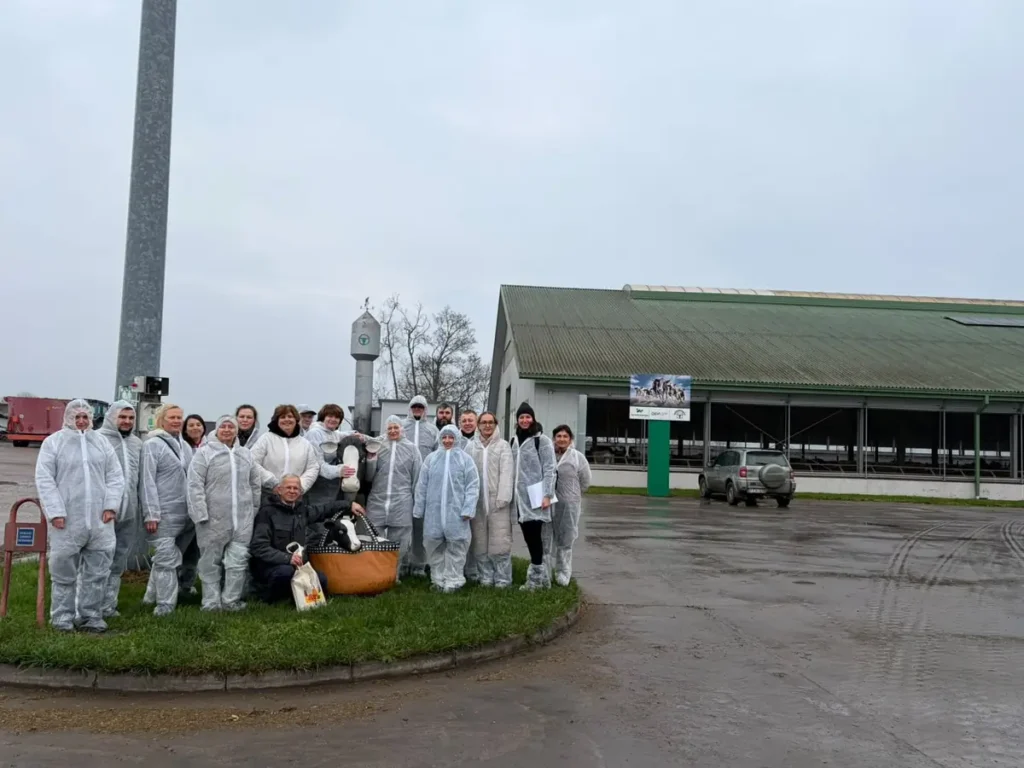
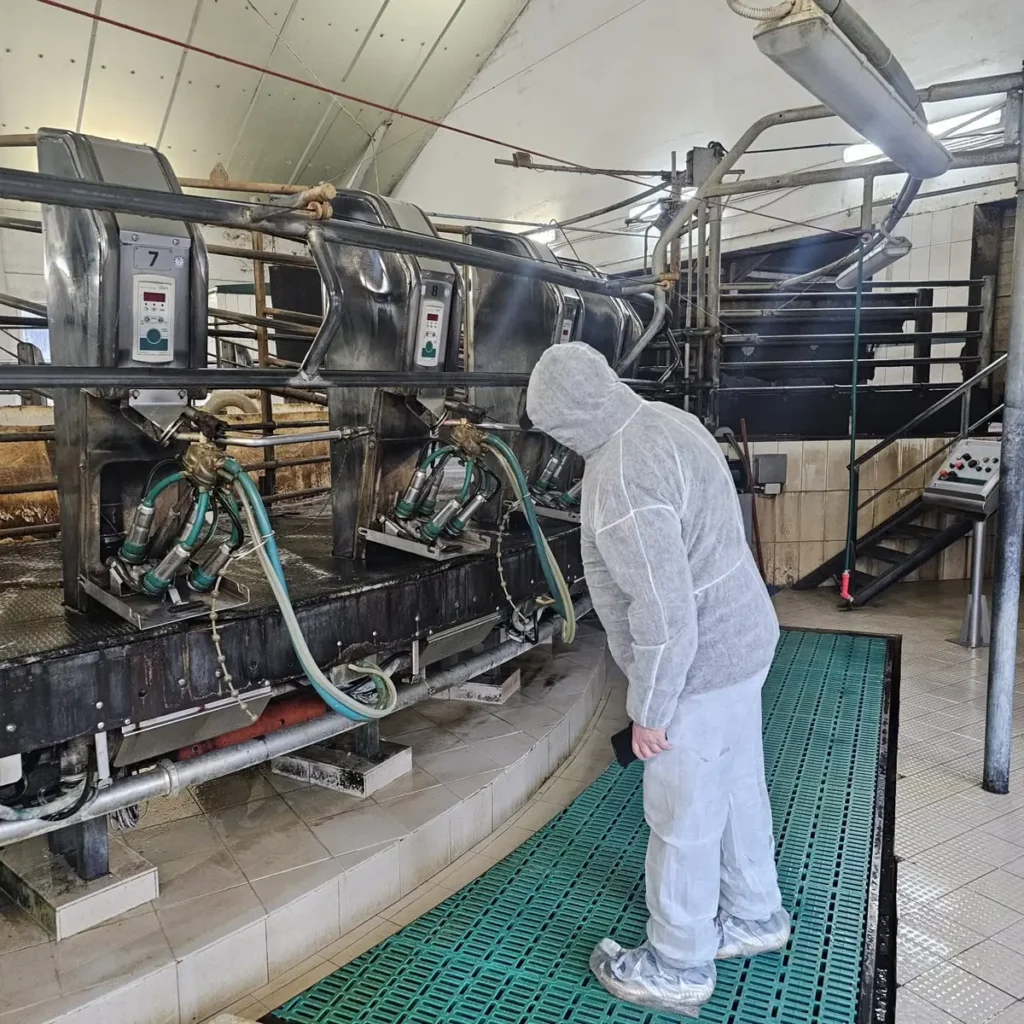
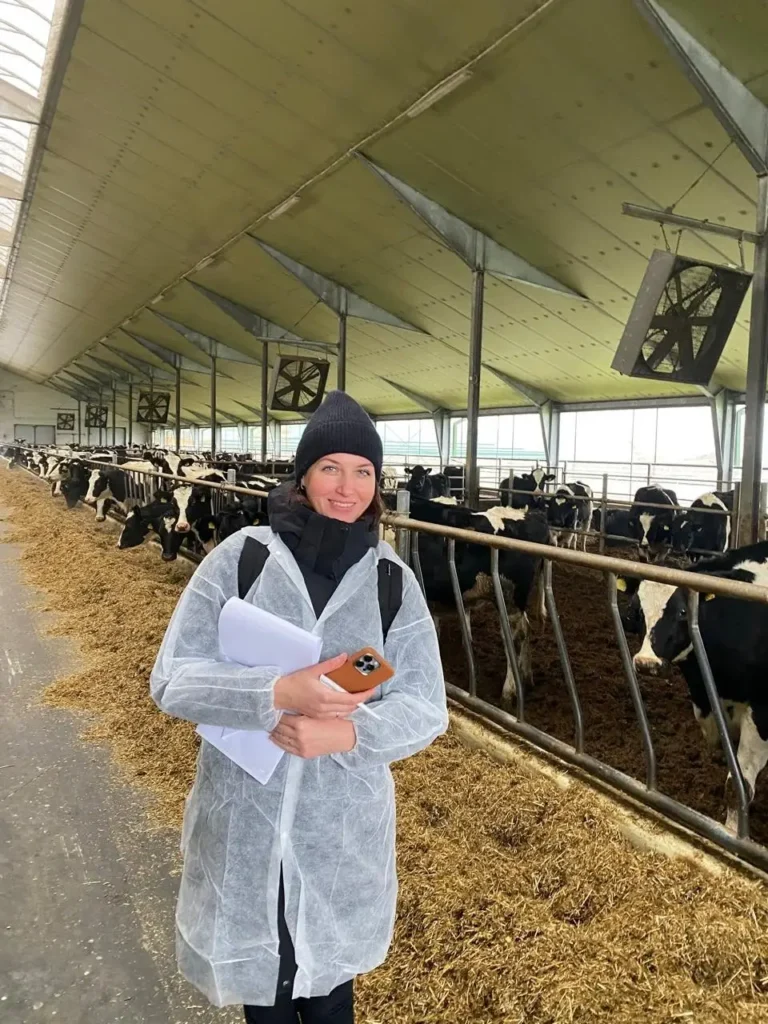
The delegation studied the practical application of Lithuanian raw milk requirements at a dairy farm in Padovinys, looking at milking, cooling and storage, hygiene, and the sampling and transport of samples for laboratory testing.
Samples for determining the composition and quality of purchased milk are taken by trained buyer representatives holding a VMVT qualification certificate. The buyer is responsible for proper storage and cooling of samples until they are handed over to the laboratory, and transport follows agreed routes.
Regulating these procedures ensures sample quality and minimises the risk of unreliable results that could affect milk assessment and payments to suppliers.
What Lithuania’s experience means for Ukraine’s dairy industry
For Ukraine, studying the Lithuanian model is relevant for further improving raw milk control, developing laboratory infrastructure and bringing national practices closer to EU requirements.
Of particular practical importance are independent laboratory testing, reliable results, digital recording of purchases and transparent interaction between milk producers and processors.
Ukraine is developing its raw milk testing system, strengthening its laboratory network and setting up a reference laboratory for milk and dairy product testing. Lithuania’s experience can inform the further development of the organisational, technical and regulatory approaches for this system.
«Lithuania’s experience shows that transforming the dairy sector is not only about consolidating farms and increasing production efficiency. Above all, it is about building an interconnected system in which every link works effectively: from the farmer and the dairy processor to the laboratory, the state control authority and the institutions that record and analyse sector data. For Ukraine, it is important not just to adopt individual tools but to develop this kind of systemic interaction, which will improve milk quality, market transparency and the competitiveness of the dairy sector», said Iryna Vysotska, coordinator of the Dairy Sector component of the Quality FOOD Trade Programme.
The UDEU representative’s participation in the visit provided first-hand knowledge of practices relevant to raw milk purchasing, laboratory control and quality management at dairy processing plants. The experience will be useful for further professional discussion of how to improve raw milk control in Ukraine, taking into account the needs of dairy processors and the European integration process.
The Union of Dairy Enterprises of Ukraine thanks the European Union for organising the study visit under the project «Improvement of legislation, control and awareness in the field of food safety, animal health and welfare, and plant health in Ukraine» (EU4SaferFood), and Switzerland under the Swiss-Ukrainian programme «Higher Value Added Trade from the Organic and Dairy Sectors in Ukraine» — Quality FOOD Trade Programme (QFTP), implemented by the Research Institute of Organic Agriculture (FiBL, Switzerland) in partnership with SAFOSO AG (Switzerland).