


An ageing population is changing the food industry’s approach to product development. Manufacturers are increasingly adapting their recipes to meet the needs of older consumers, as maintaining good health in later life is becoming one of the key trends in the global food market.
As noted by Dairy Reporter, certain ingredients play a particularly important role in supporting the muscles, bones, brain and immune system of older people. Due to age-related loss of appetite, changes in metabolism and poorer absorption of nutrients, the body requires a more carefully planned diet.
What are these ingredients, and why are they so important for older consumers?
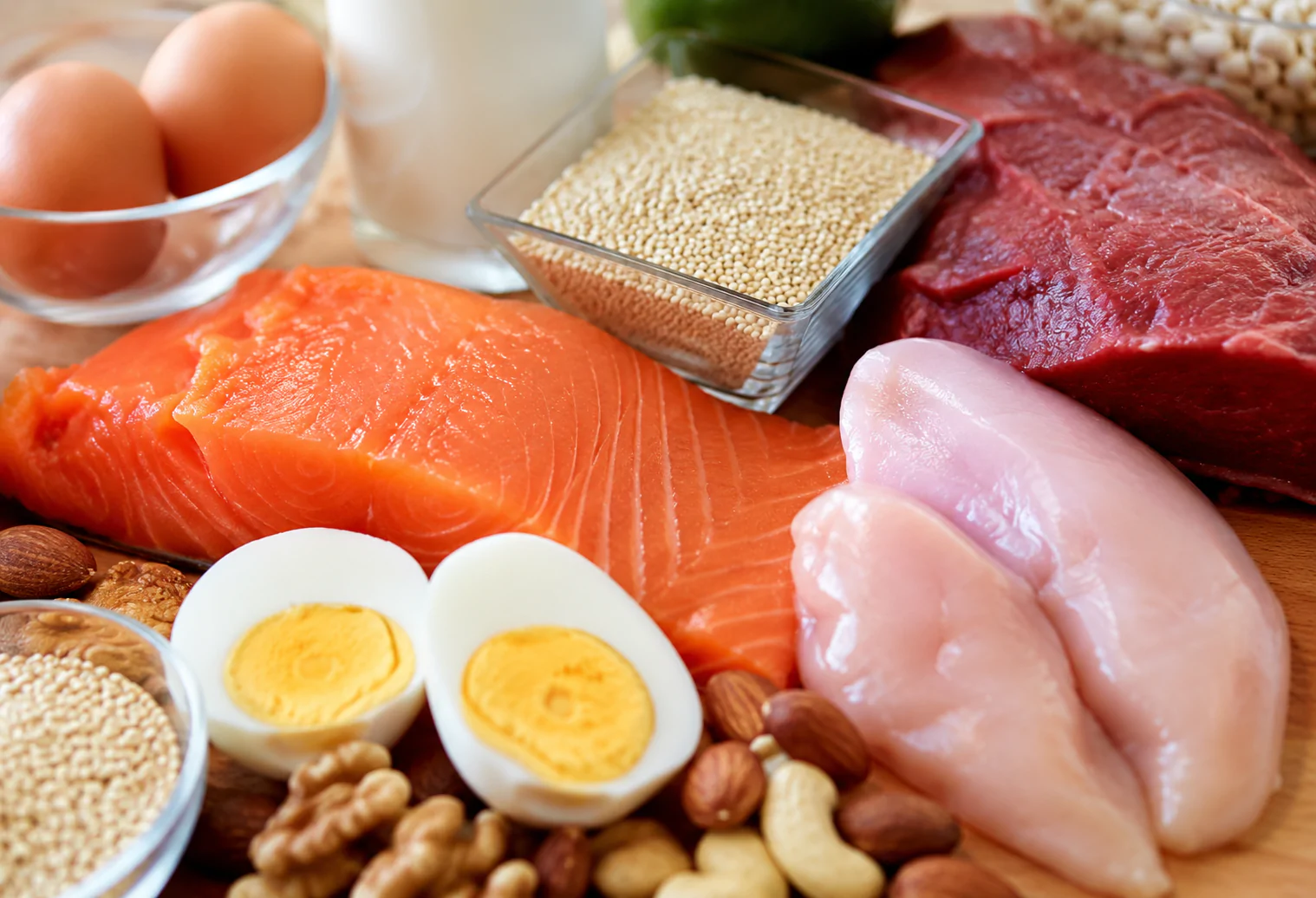
- Protein
Protein is one of the most important nutrients for maintaining muscle mass and strength. As we age, the risk of muscle loss increases, so older people need to ensure they consume sufficient amounts of high-quality protein, particularly dairy protein.
- Vitamin B12
Vitamin B12 deficiency is often associated with vegetarianism, but it is also common among older people due to a decline in absorption as we age.
Vitamin B12 is important for the production of red blood cells, the functioning of the nervous system, memory and cognitive function. A deficiency can lead to confusion, anxiety and memory loss.
The main sources of vitamin B12 are red meat, poultry, eggs and fortified foods, including tofu.
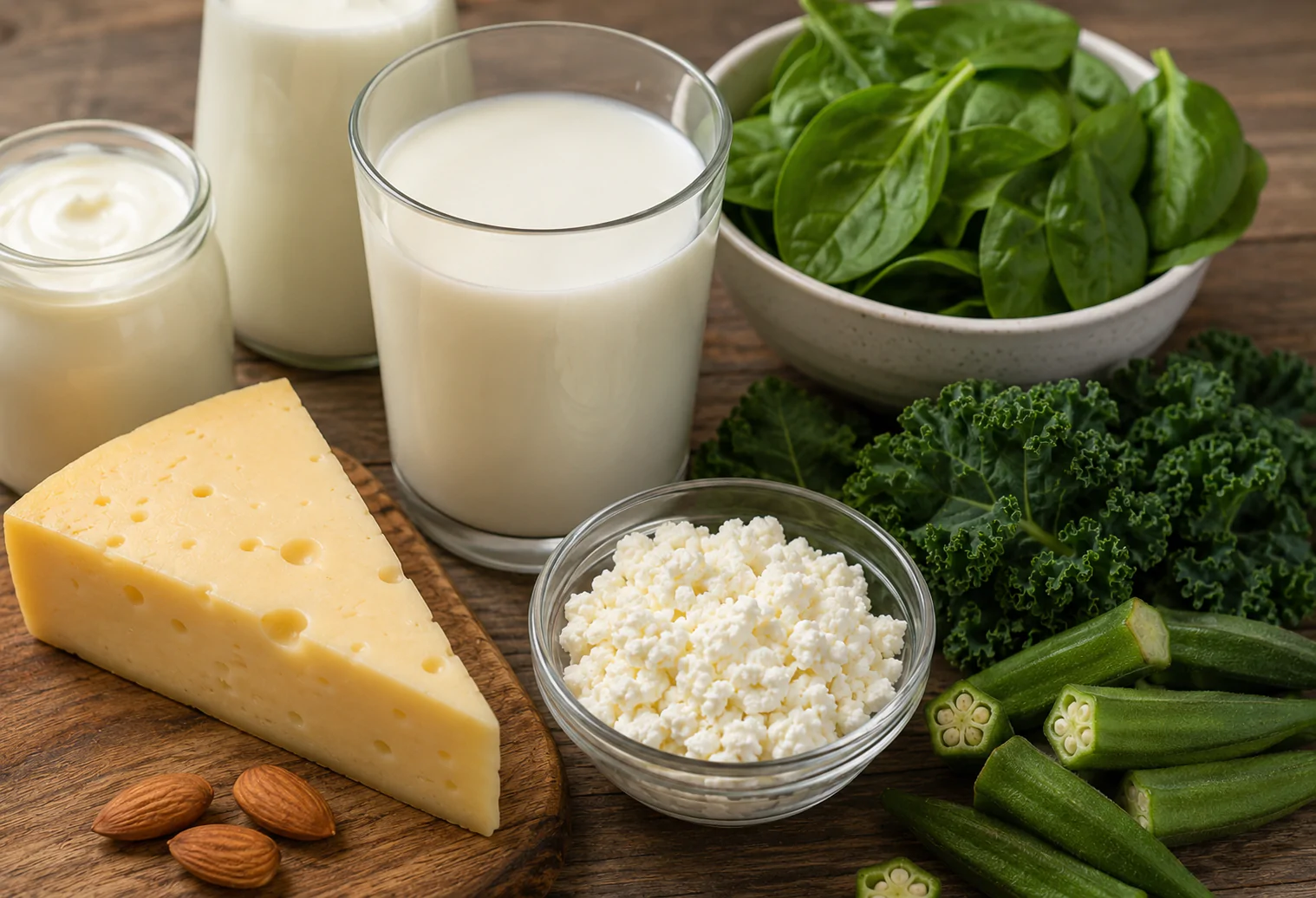
- Calcium
Older people are more prone to osteoporosis and fractures, so calcium is particularly important for maintaining bone strength and bone density.
The main sources of calcium are dairy products, particularly milk and cheese, as well as leafy vegetables and certain types of bread.
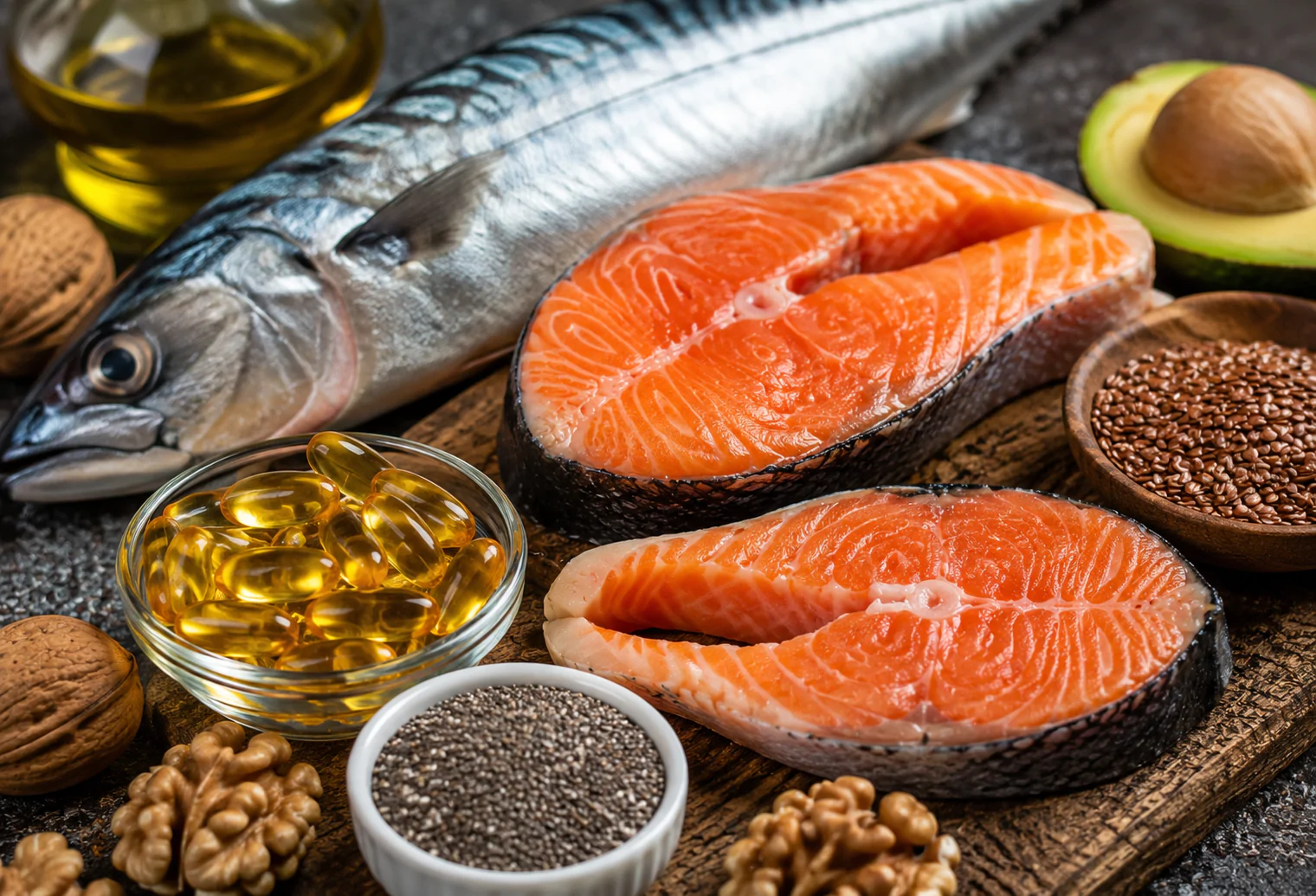
- Omega-3 fatty acids
Omega-3 fatty acids, which are found mainly in fish, support heart and brain health and help reduce inflammation.
Research suggests that low levels of omega-3 may be linked to an increased risk of dementia and cognitive decline. That is why the National Health Service recommends eating two portions of fish a week, one of which should be oily.
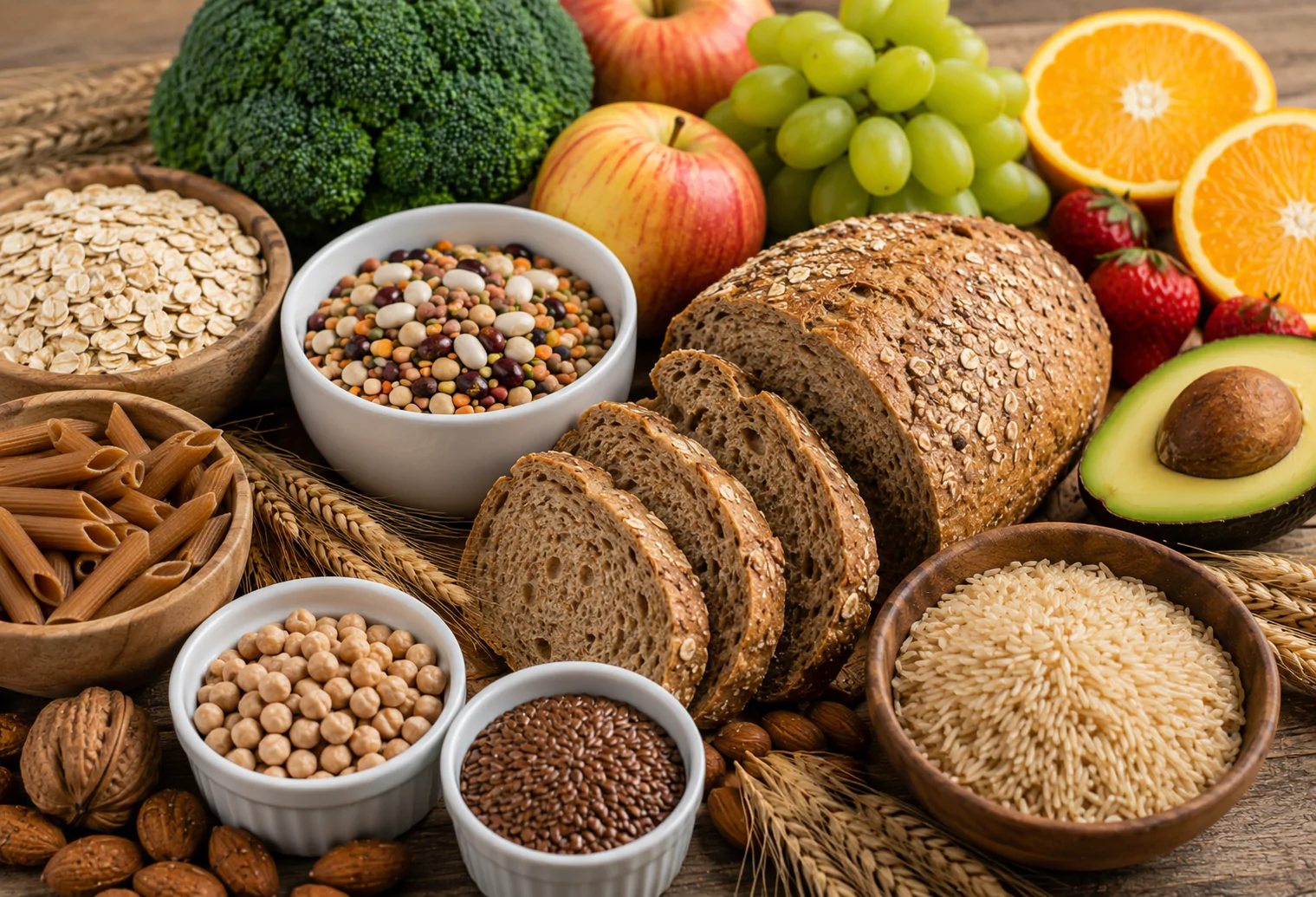
- Dietary fibre
Dietary fibre is important for heart health, digestion and blood sugar control. It is particularly important for older people, as it helps improve bowel function and reduce the risk of constipation.
Due to a reduced appetite and a less varied diet, older people often do not get enough fibre. The main sources of fibre are fruit, vegetables and whole grains.
- Vitamin D
Vitamin D is particularly important for older people, as it supports bone health, muscle function and the immune system.
As we age, the body becomes less efficient at producing vitamin D, and spending less time in the sun increases the risk of a deficiency. The main sources are oily fish, eggs, red meat and fortified foods. The National Institute for Health and Care Excellence also recommends that older people take vitamin D supplements.
- Leucine
Leucine is an amino acid found in almost all proteins, although it is particularly abundant in animal proteins.
Leucine “plays an important role in maintaining muscle mass and strength” as people age, says specialist dietician Nichola Ludlam-Raine.
In particular, it helps to reduce the risk of sarcopenia — the loss of skeletal muscle mass and strength that typically occurs with age.
Good sources of leucine include high-protein foods such as dairy products, eggs, fish, meat, soya and pulses.
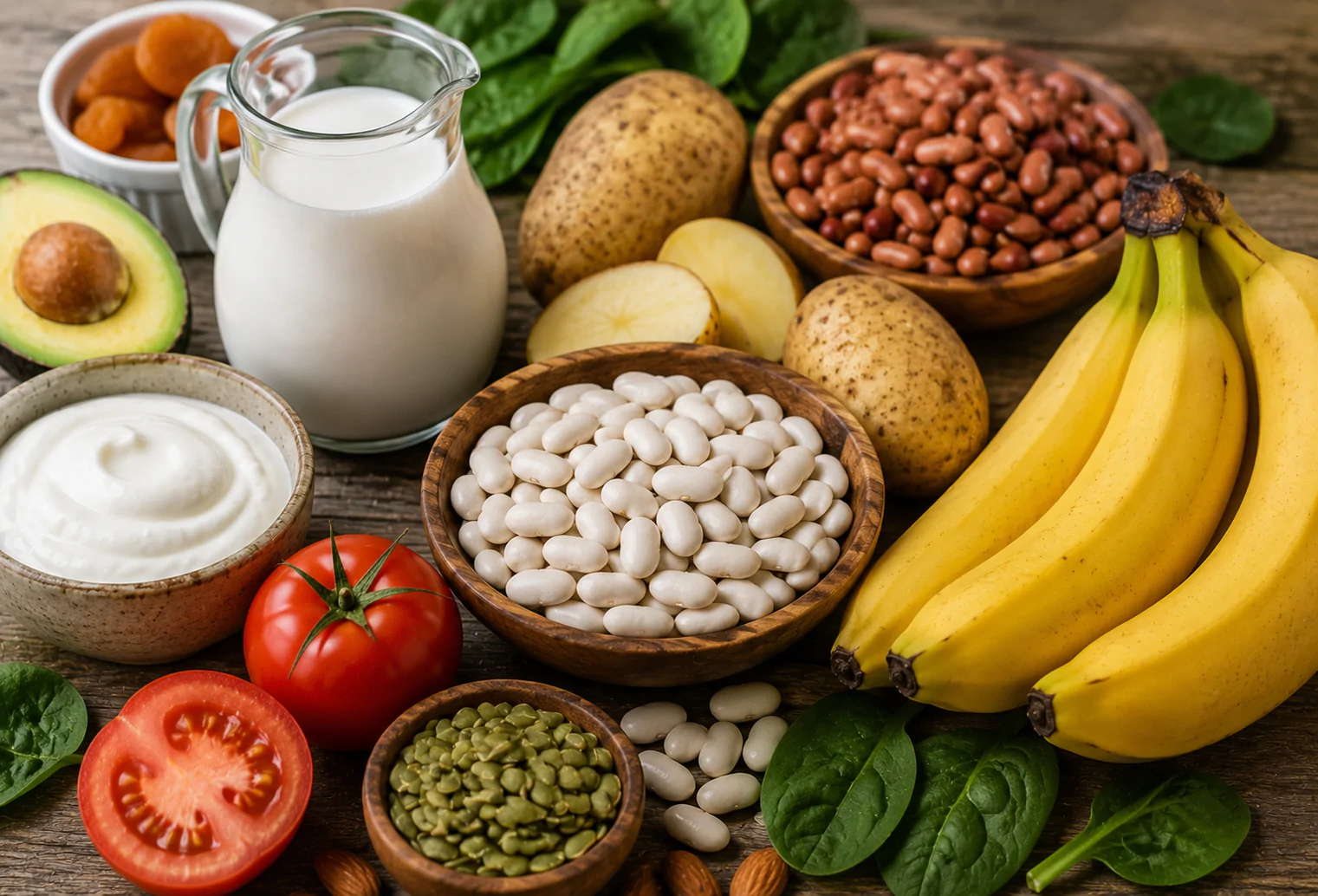
- Potassium
Potassium is important for muscle function, heart health and blood pressure regulation. Its main sources include bananas, potatoes, tomatoes, pulses and dairy products.
Older people often do not get enough potassium due to low intake of fruit and vegetables. Studies also link low potassium levels to an increased risk of mortality in older age.
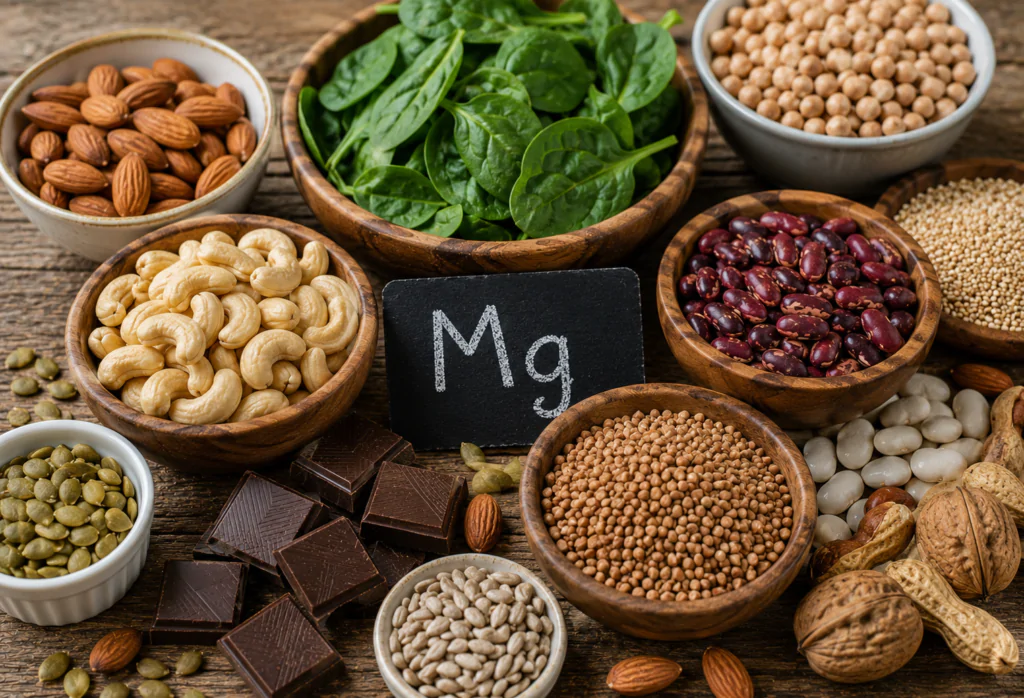
- Magnesium
Magnesium plays an important role in energy production, as well as in muscle and nervous system function and bone health. As with many other nutrients, older people are at greater risk of magnesium deficiency than the general population.
“Older adults may be at greater risk of low intakes due to reduced appetite, medications or poorer absorption“, says Ludlam-Raine.
One study shows that sleep disorders and cognitive impairments are common among people with low magnesium levels.
Common sources of magnesium include nuts, seeds, whole grains, pulses and leafy green vegetables.

- Water and other liquids
Finally, and this is perhaps the most obvious point, water, like other liquids, is of vital importance to elderly consumers.
“Older adults often have a reduced thirst response, cognitive impairment, or dependence on others for care, and may take medications that cause fluid loss”, says Patel.
“Dehydration is a common cause of hospitalisation in this age group and is linked to urinary tract infections, falls related to hypotension, confusion, and kidney impairment.”
Hydration-promoting products, such as sports drinks, present significant opportunities in the healthy ageing market.
A growing market
The market for food products for the elderly is growing. It is expected to reach $43.1 billion (€36.8 billion) by 2032.
Although these ingredients are important for all consumers, they are particularly essential for older people and are therefore of particular significance to this growing market.
To maximise the market’s potential, manufacturers should position these products within the context of healthy ageing, highlighting benefits such as bone health and muscle function, as well as strength and fitness.
As the number of elderly consumers grows, the food industry must adapt to their needs in order to thrive.
Source: Dairy Reporter