
Chasing this trend? Be aware that new products and new or retooled lines can introduce food safety and litigation risks.
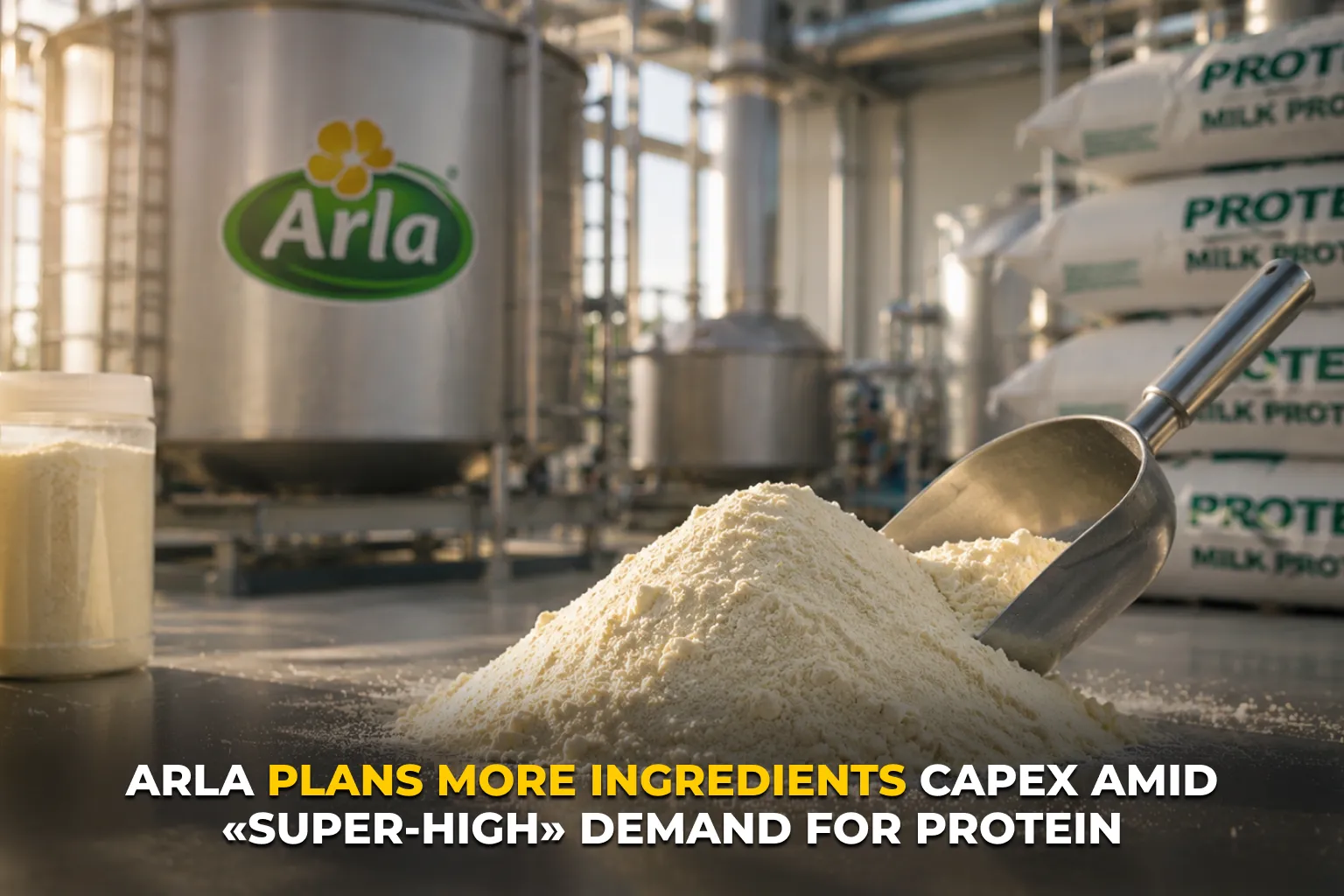
The GLP-1 boom is shifting consumer demand toward higher-nutrition products — high in protein and fibre — which directly concerns dairy processors, for whom protein is a key advantage, but chasing the trend carries risks, writes Mary Keiser of Hub International for Food Processing.
GLP-1 users are expected to account for around 35% of all food & beverage sales by 2030, pulling shoppers from calorie-dense, processed foods toward higher-fibre, higher-protein options.
Analysts expect the trend to accelerate now that pill forms are available: the FDA approved Novo Nordisk’s Wegovy pill late last year and Eli Lilly’s orforglipron (brand name Foundayo) in April, giving a needle-free, often cheaper alternative to injectables.
Processors are responding with higher-protein, smaller-portion products, some relabelled «GLP-1 friendly» — but moving fast carries risk that, unmanaged, can lead to costly claims, recalls or litigation.
Emerging risks
Reformulating or launching products requires new suppliers, lines, packaging and safety protocols. Key risk points:
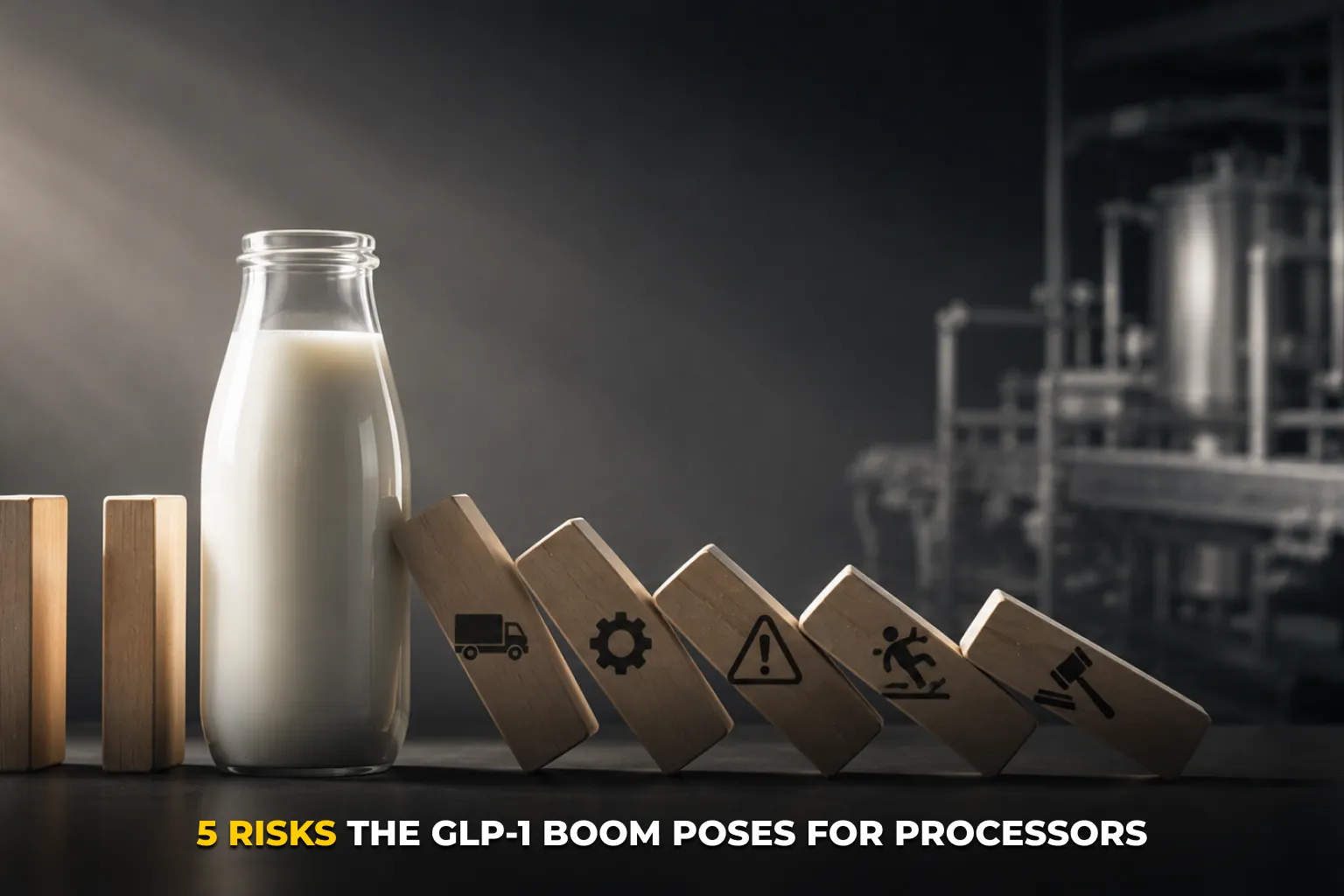
- Supply chain: new or changed suppliers raise competition for raw materials and expose firms to disruption — diversify and keep a backup source.
- Production line: retooling raises the risk of malfunction; safety protocols must keep pace and staff be trained before full-scale production.
- Recall: recall risk from safety issues or mislabelling grows for never-before-made products — testing, QC and label review help.
- Worker: new lines and packaging mean unfamiliar tasks; training and updated safety planning reduce injury and liability.
- Packaging: class actions over misleading labels («all natural») are rising — nearly 300 filings in 2024; «GLP-1 friendly» claims invite similar scrutiny, so accurate labelling is paramount.
The risks are manageable
The risks are real but manageable with mitigation and insurance. Product-recall coverage remains competitive, and business-interruption insurance can backstop supply-chain disruption.
Many makers have not yet fully addressed these risks. Before changing or launching products, involve an insurance broker to pinpoint exposures and secure the right coverage before a claim arises.
About the author
Mary Keiser, CPCU, is senior vice president and U.S. Food and Beverage Practice Leader at global insurance brokerage Hub International, specialising in the challenges facing food manufacturers, distributors, retailers and restaurants — from product contamination and recall to environmental liability.
Source: Food Processing