
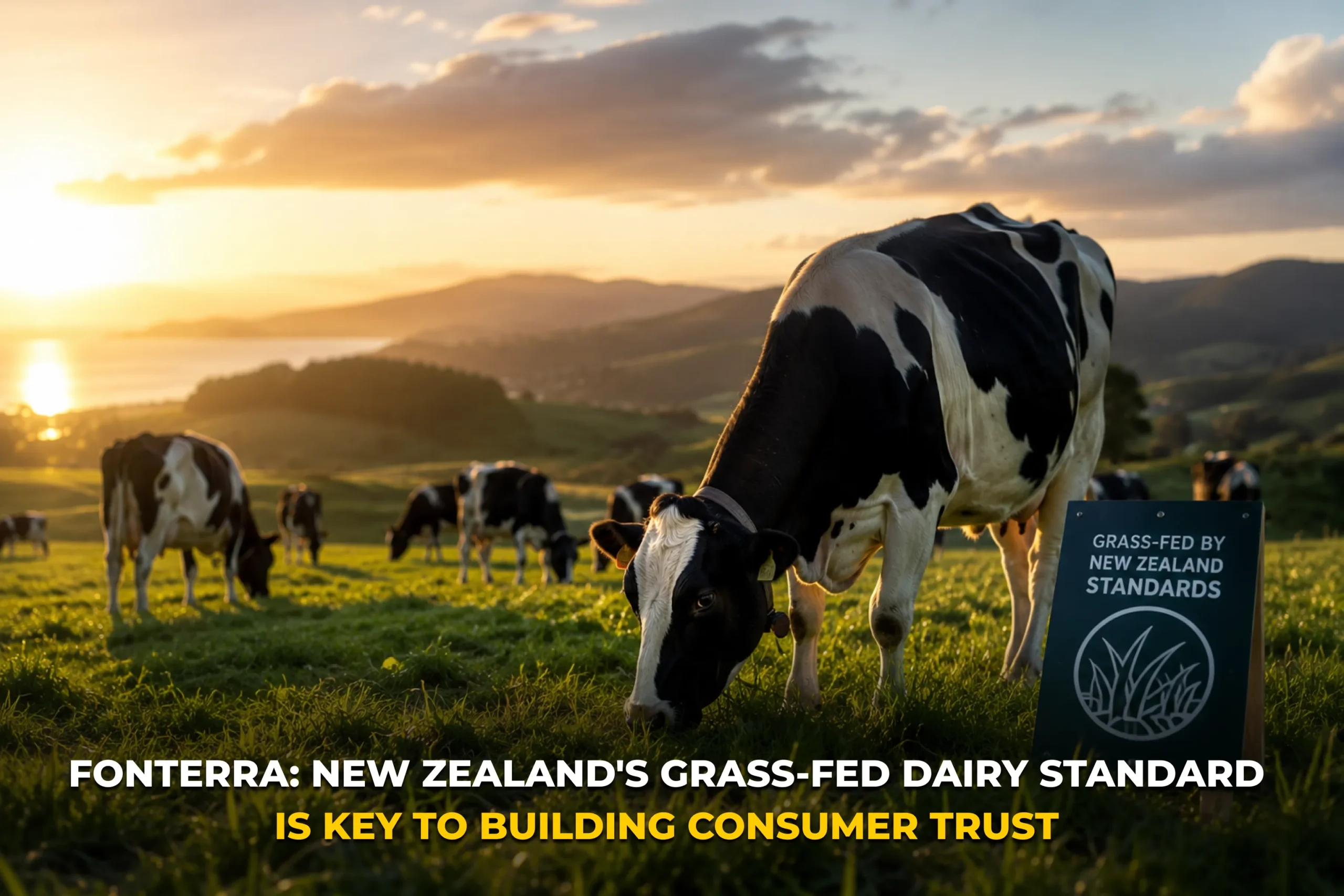
Demand for milk from grass-fed rather than grain-fed cows is rising as consumers seek transparency, regenerative agriculture and minimally processed food, and — amid growing scrutiny of «grass-fed» claims — New Zealand uses a national standard to set a clearer benchmark, Food Ingredients First reports.

The voluntary scheme, developed with New Zealand’s Ministry for Primary Industries, defines «grass-fed» as a diet of at least 90% qualifying feed and grazing for at least 340 days a year.
Fonterra says its New Zealand cows are, on average, 96% grass-fed and spend more than 350 days a year on pasture — beyond the standard’s requirements. Marshall Fong, senior marketing and communications manager for Global Ingredients, calls it a government-led, nationally defined standard rather than a private or brand claim, which lends particular credibility in markets where consumers trust government assurance.

By contrast, the US has no standardised definition (USDA and voluntary certifiers assess case by case), and the EU relies on national schemes such as Ireland’s Bord Bia standard.
Grass-fed dairy growth
The global grass-fed milk market is projected to grow from US$5.2 billion in 2026 to nearly US$29.9 billion by 2035, led by Europe (36%) and North America (31%), per 360 Research Reports.
Fong ties the demand to interest in transparency, natural farming systems, animal welfare and credible sustainability. In the US, he notes, the shift is now visible in mainstream retail — Costco’s New Zealand-labelled Kirkland Signature grass-fed butter has drawn wide attention from food media and online tastings.
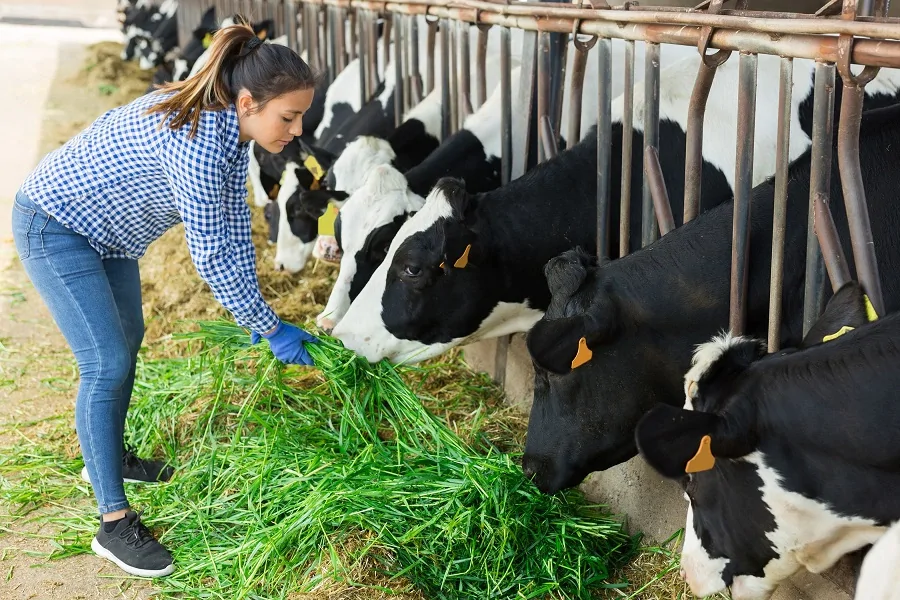
Innova Market Insights finds more than one in three global consumers look for animal-welfare claims and a quarter seek regenerative-farming claims.
Grass-fed dairy benefits
Research calls grass-fed a «universally attractive attribute» for milk drinkers, though partly a halo effect from overlapping ideas of welfare, sustainability and healthiness.
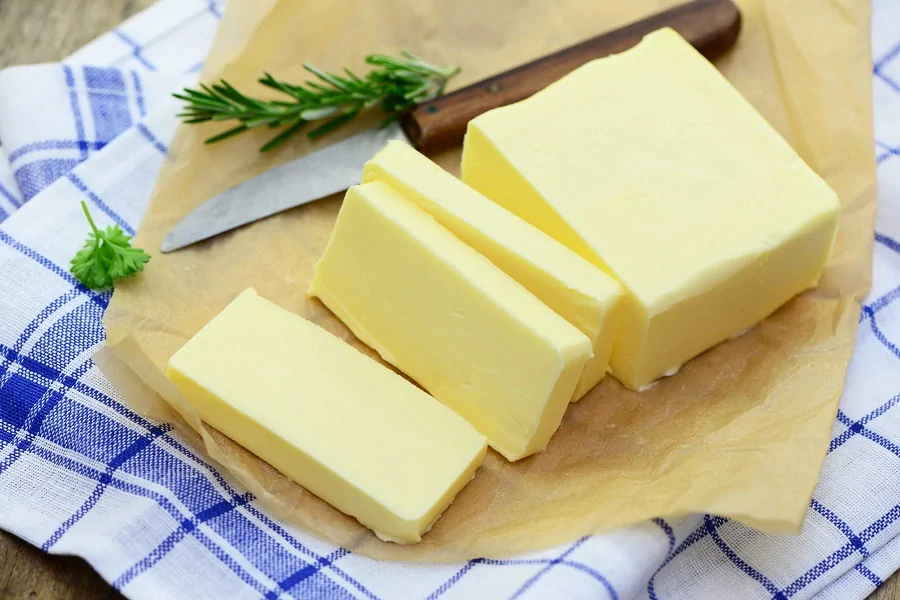
While the standard covers farming systems rather than nutrition, Fong says it protects the natural characteristics of pasture-based dairy — flavour, texture and cues such as butter’s deeper yellow colour, linked to grass compounds like beta carotene.
In the US, New Zealand grass-fed butter is widely reviewed, with taste, creaminess and colour cited as differentiators.
Ensuring consumer trust
Consumers and manufacturers increasingly expect grass-fed claims backed by clear definitions, credible verification and transparency about farming, Fong says.
Fonterra aligns its claims with the New Zealand Dairy Grass Fed Administrative Standard and has its scheme independently verified, ensuring claims rest on measurable, government-defined criteria rather than marketing interpretation.
Grass-fed versus plant-based dairy
As plant-based alternatives grow, Fong says grass-fed dairy still appeals to those wanting natural, minimally processed products with clear provenance.
Rather than competing on imitation, it differentiates through farming systems, taste and authenticity — «a clear alternative grounded in how food is produced».
The future of grass-fed dairy
The industry faces growing pressure for clearer definitions, stronger verification and greater accountability on sustainability claims — from customers, regulators and wider cultural conversation, Fong says.
Fonterra’s role will include continued investment in credible, data-backed sustainability programmes and aligning claims with recognised standards, supporting long-term value for farmers while meeting expectations in key export markets.
Source: Food Ingredients First