
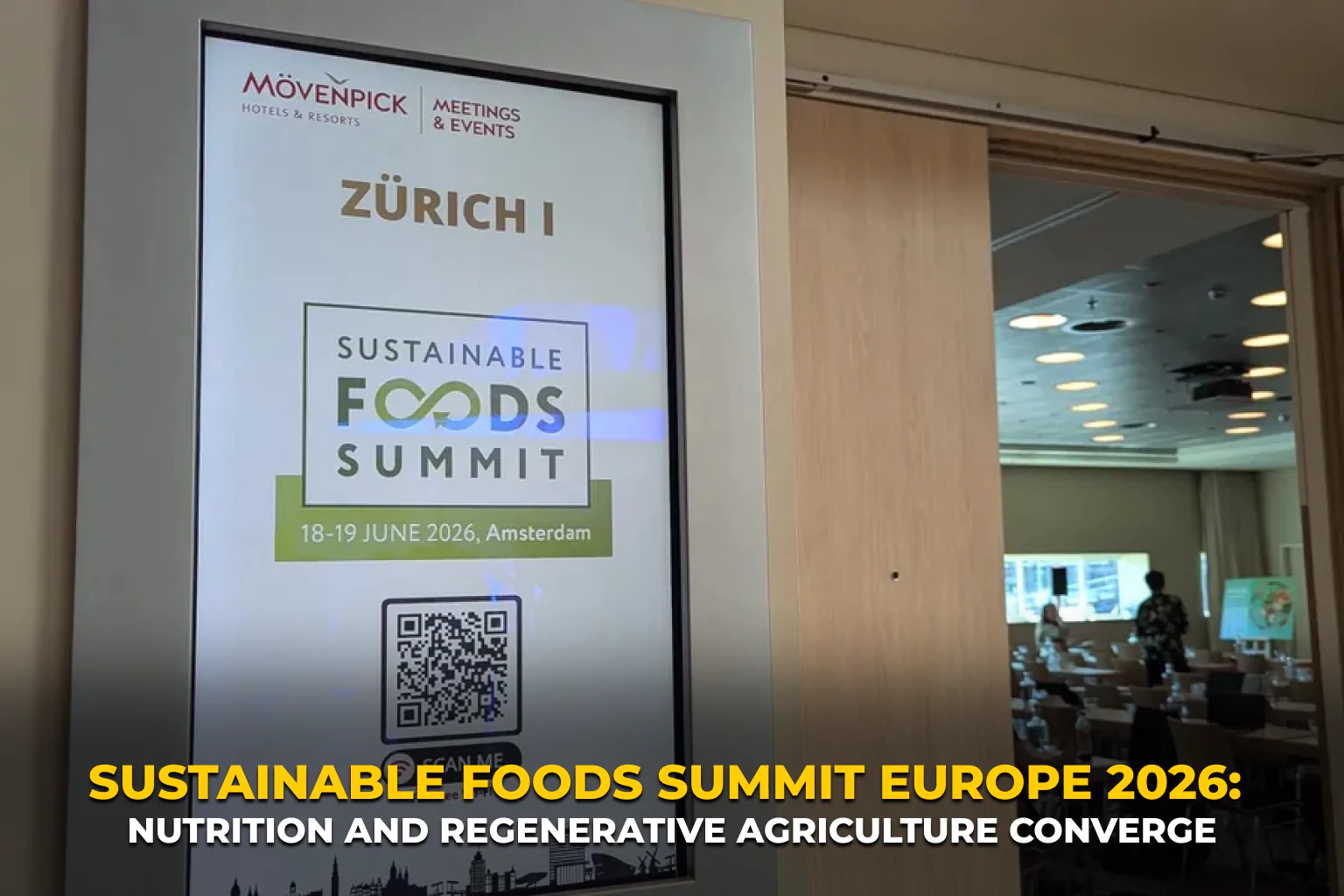
Nutrition and sustainability are increasingly intertwined in food, beverage and supplement innovation. As Nutrition Insight reports from the annual Sustainable Foods Summit in Amsterdam, suppliers, brands and experts gathered to discuss balancing economic and ecological gain amid declining consumer trust in food systems — with fewer than 1% following the Planetary Health Diet.
Healthier, sustainable purchasing decisions
GlobeScan’s Caroline Holme presented data showing that 65% of consumers want to eat healthier and more sustainably simultaneously — but a significant gap exists between aspiration and action. Since 2022, sustainability communication from brands is reaching fewer people, and trust is declining.
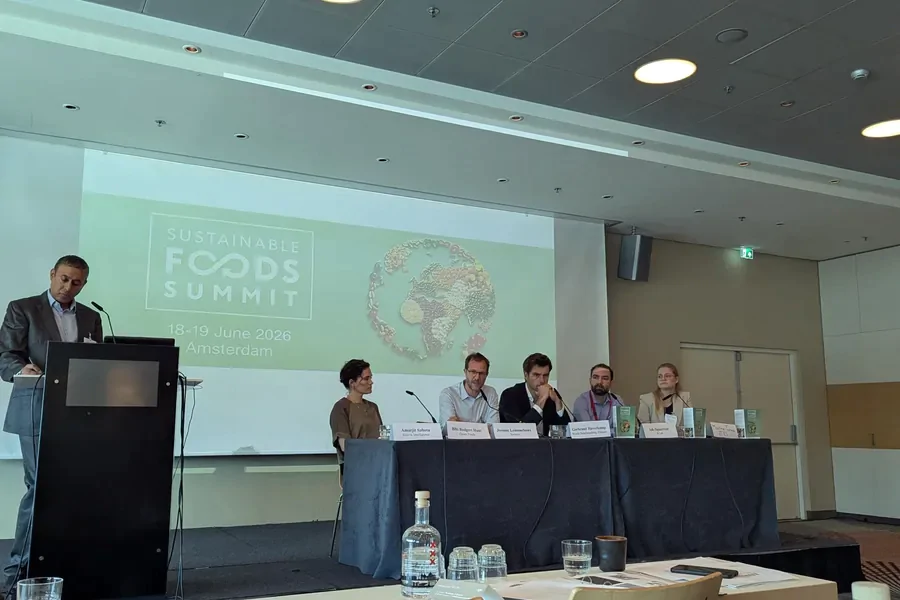
The main barriers: affordability and lack of available options. Holme recommends prioritising health and personal relevance in messaging, using specific claims over generic language, and keeping cost and accessibility central to enable action.
Alternative, more sustainable proteins
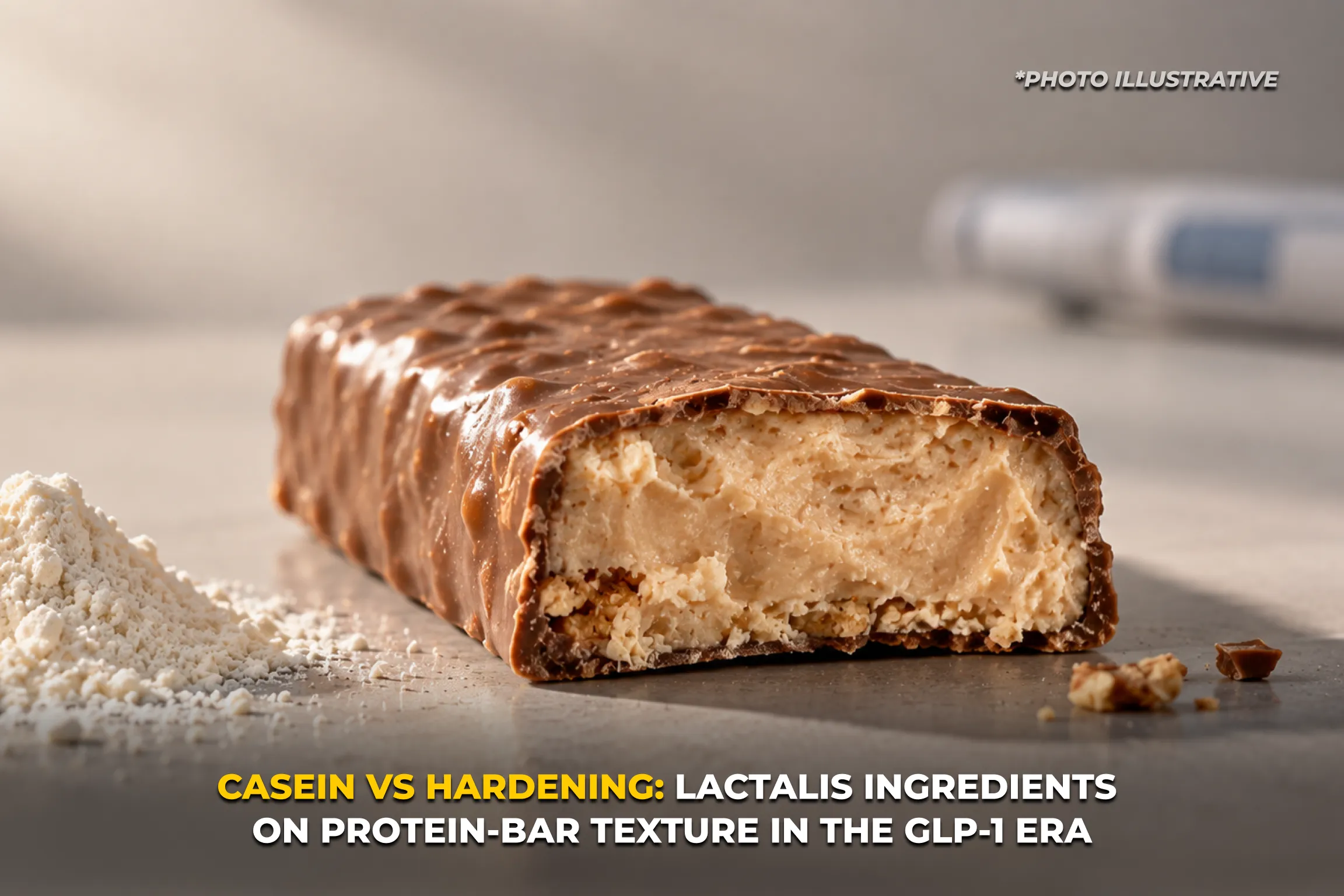
Those Vegan Cowboys CEO Hille van der Kaa highlighted precision fermentation as an emerging technology for animal-free proteins. The company produces casein “identical to a cow’s” through precision fermentation. Companies using it can slash 80% of land use otherwise needed for cattle, along with 80% less water and CO2 and 100% less methane.
The casein delivers up to 20% cheese content and five times better stretch than conventional cow’s milk cheese, with no lactose, growth hormones or antibiotics. Applications extend beyond cheese to sports nutrition, chocolate and high-protein products for GLP-1 users.
Gut health innovation technology
AnaBio Technologies founder Dr Sinéad Bleiel presented the Encaptimus microencapsulation technology, which protects Lactobacillus and Bifidobacteria probiotics from heat during processing and moisture during storage using a patented plant-protein coating, backed by over 300 peer-reviewed papers.
In 2025, 58% of consumers are paying closer attention to ingredient labels, with many actively seeking probiotics and fibre, and one in three seeking clinical data.
Regenerative agriculture for transforming food systems
GoodSAM CEO Heather Terry spoke on working directly with smallholder farmers and Indigenous communities, without middlemen. She recommended renaming “supply chains” as “supply networks” to emphasise a reciprocal relationship with farmers, and using simplified messaging to communicate sustainability values.
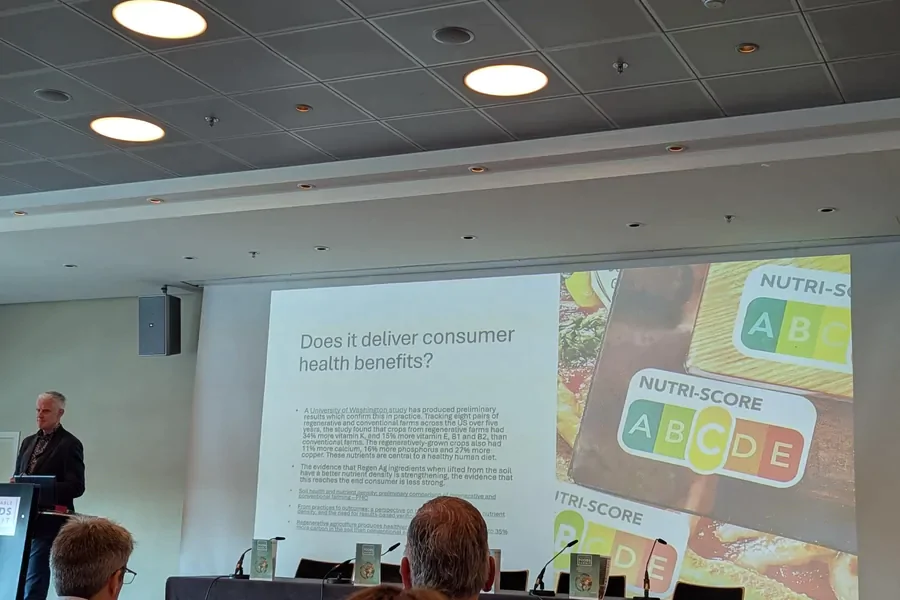
Mike Barry, co-founder of the Planetary Alliance, flagged that six of nine planetary boundaries have been transgressed, with the food system as a primary driver of biodiversity loss. EU farming loses €28 billion annually from extreme weather crop damage. Food costs drive 30–40% of global inflation.
By 2050, 60% more calories will be needed to feed 9.7 billion people. Regenerative agriculture can deliver biodiversity benefits, food security and higher nutrient density than conventional farming.
Source: Nutrition Insight