

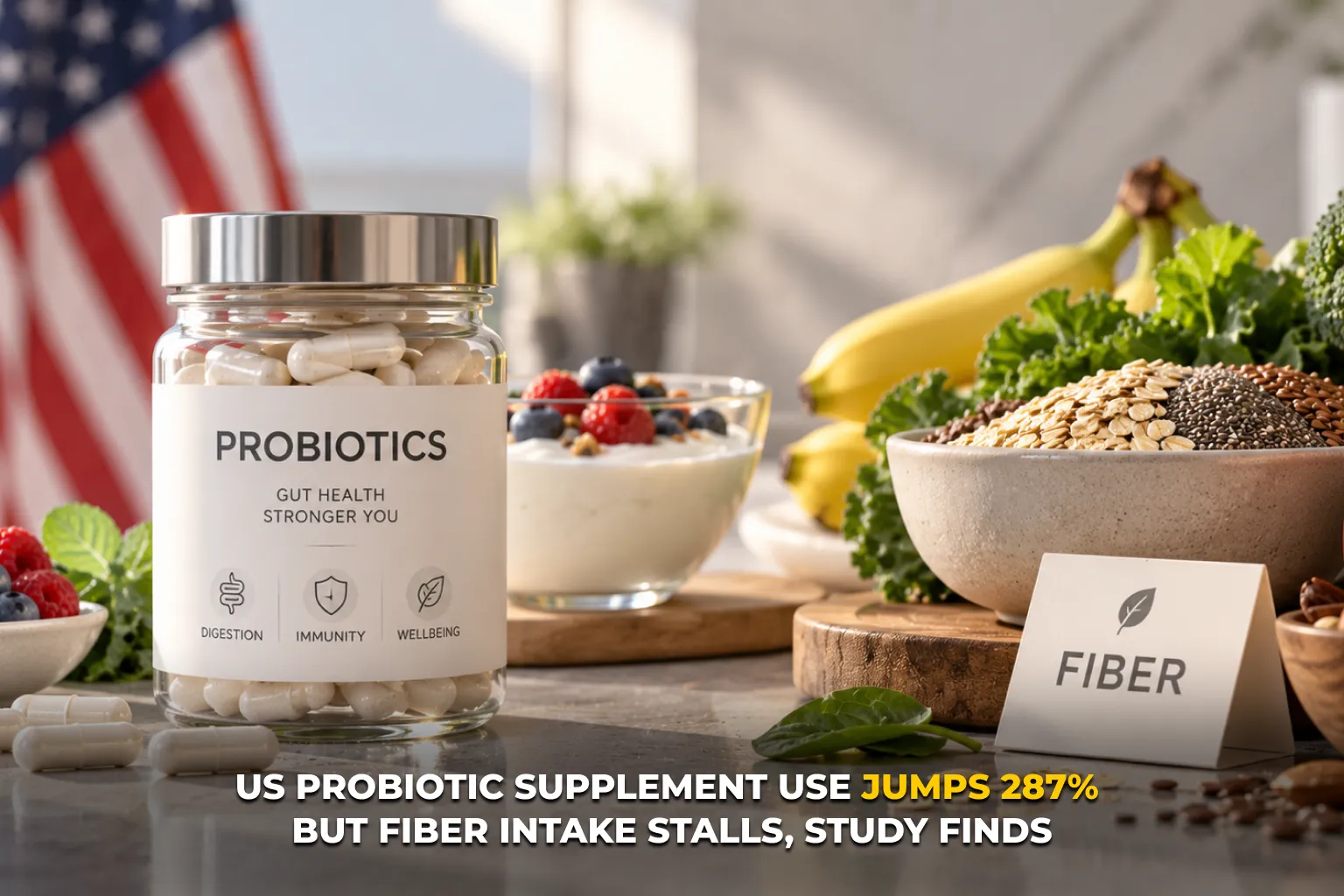
Americans are turning to probiotic supplements while neglecting whole foods — relevant to dairy, as fermented dairy is a natural source of both probiotics and nourishment for beneficial bacteria.
US probiotic supplement use surged in 2009–2023 — up 287% among adults and 786% among under-20s — yet eating patterns around microbiome-supporting foods barely changed, Nutrition Insight reports. The topic is relevant to dairy, as fermented dairy and yogurt are natural sources of probiotics.
Supplements surge, fiber stalls
Fiber intake did not meaningfully change, while average intake of high-microbial foods (vegetables, fruits, legumes, whole grains) rose slightly.
The study, published in Clinical Gastroenterology and Hepatology and using US NHANES data (54,776 respondents, representing about 256.8 million people), found probiotic use among under-20s rose from 0.63% to 5.58%, and among over-20s from 1.8% to 6.96%, with a particularly sharp rise after 2014.
«We don’t know based on our data how people are making these choices», lead author Kira Newman, M.D., Ph.D. (University of Michigan) told Nutrition Insight.
Probiotic users do eat healthier on average — about 1.35 g more fiber per 1,000 calories — but still fall short of the recommended 14 g/1,000 kcal, and often take supplements without a doctor’s advice.
Industry actions and whole foods first
Per Innova Market Insights, fiber and probiotics are the most common gut-health ingredients — 38% of 2025 gut-health launches claimed fiber and 19% probiotics — yet many consumers miss that probiotics rely on diverse fibers for food.
«Probiotic supplements may have limited impact if underlying dietary patterns remain suboptimal», Newman said.
Brands are adapting: Momentous recently launched a triple-action fermentable-fiber supplement.
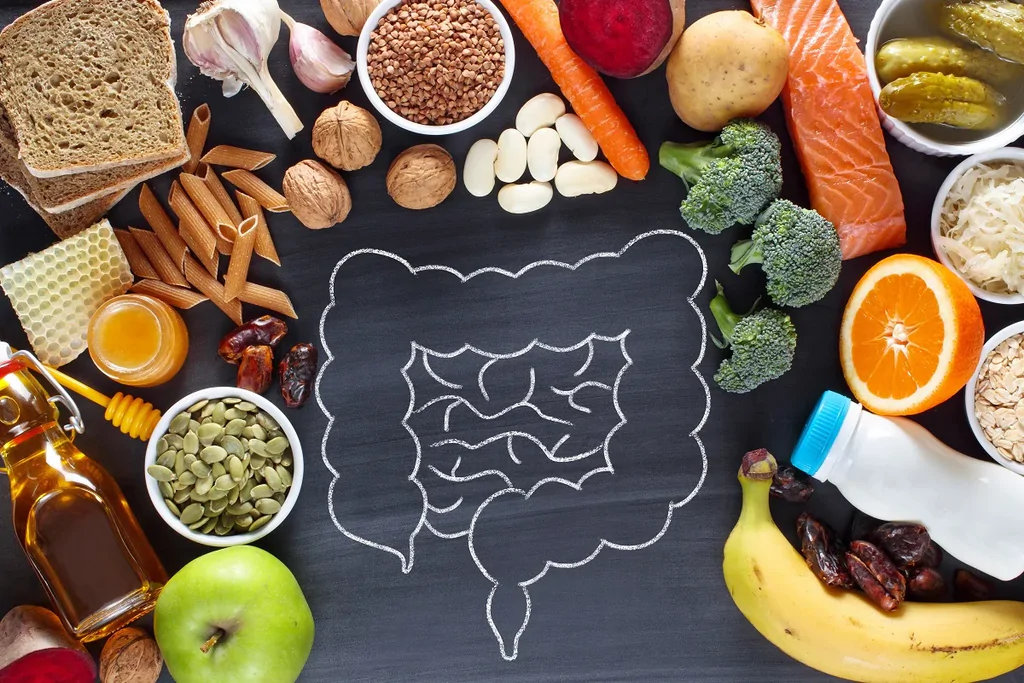
The authors urge more public-health support for fresh vegetables, fruits and whole grains as a foundation: «A diet with plenty of vegetables, fruits, legumes and whole grains provides not just fiber… Prebiotic supplements alone… it’s like picking one color out of a rainbow», Newman said.
Source: Nutrition Insight (Benjamin Ferrer). For information only; not a substitute for medical advice.