
Rising production costs, energy prices, a shrinking base of farms and ever-higher market demands are putting Poland’s dairy industry under serious pressure.
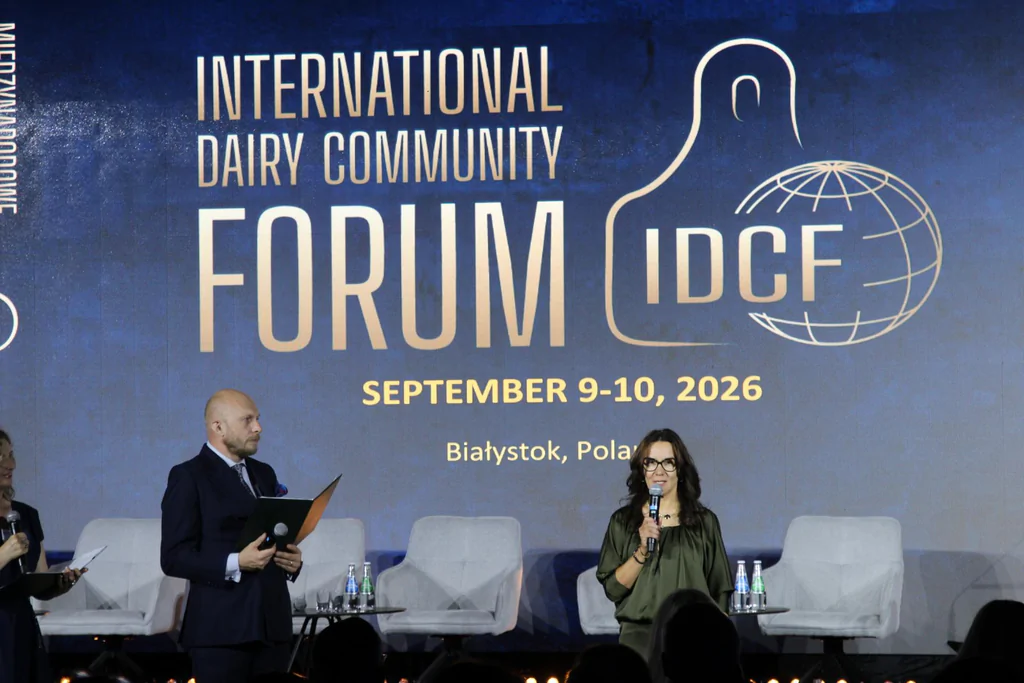
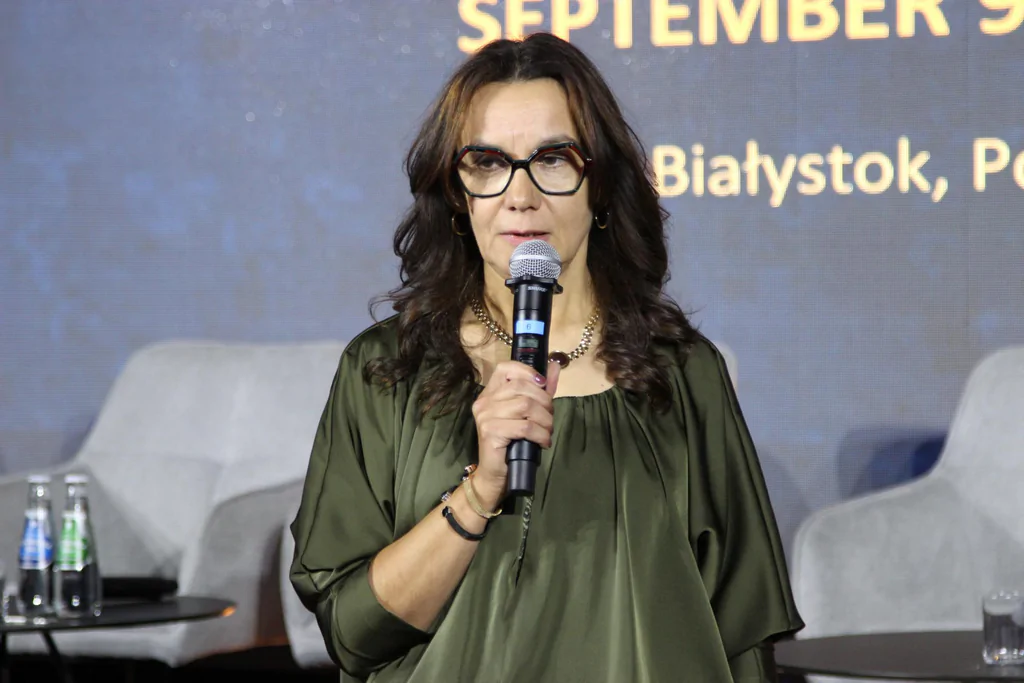
The industry wants a long-term strategy to keep the sector competitive and secure. «If we lose farmers, we won’t have milk», said Agnieszka Maliszewska, president of the Polish Chamber of Milk (Polska Izba Mleka), at the 23rd International Dairy Community Forum in Białystok, top agrar reports.
Profitability, disappearing plants and energy
The future of Polish dairy depends on both farms and processors, but the start of the chain is the milk producer — if production stops being profitable, the whole sector suffers.
«The smallest element of the whole chain is the farmer», Maliszewska said.
«If we forget the farmer, the processor and the retail chains that must work at a proper margin, the whole system starts to fall apart».
Competitiveness «is not given to us once and for all». Processors matter to farms too:
«When we stop producing, we can’t collect milk from farmers — and that means an ecological catastrophe», she said, stressing that «milk cannot wait».
Energy costs are a key competitiveness factor: the industry is investing in renewables but needs «strong mechanisms from the state».
Food security, cyber-security and a strategy to 2035
Maliszewska argued that «food must now be treated as an element of state security», including the security of processing plants — a disruption can quickly affect milk collection from farms.
Modern plants increasingly depend on control systems, so cyber-security is becoming part of the sector’s resilience, and the dairy chain’s security «begins not only in the barn» but includes transport, processing and infrastructure.
Poland’s strengths include product quality and exports, but exports also mean greater exposure to world markets. Ultimately it comes down to economics: «if profitability falls… plants will disappear from the map, farmers will disappear from the map».
The industry wants a long-term dairy development strategy to 2035, built on dialogue between the sector and government:
«We can do it when we join forces… and sit down at one table», she said.
Source: top agrar