
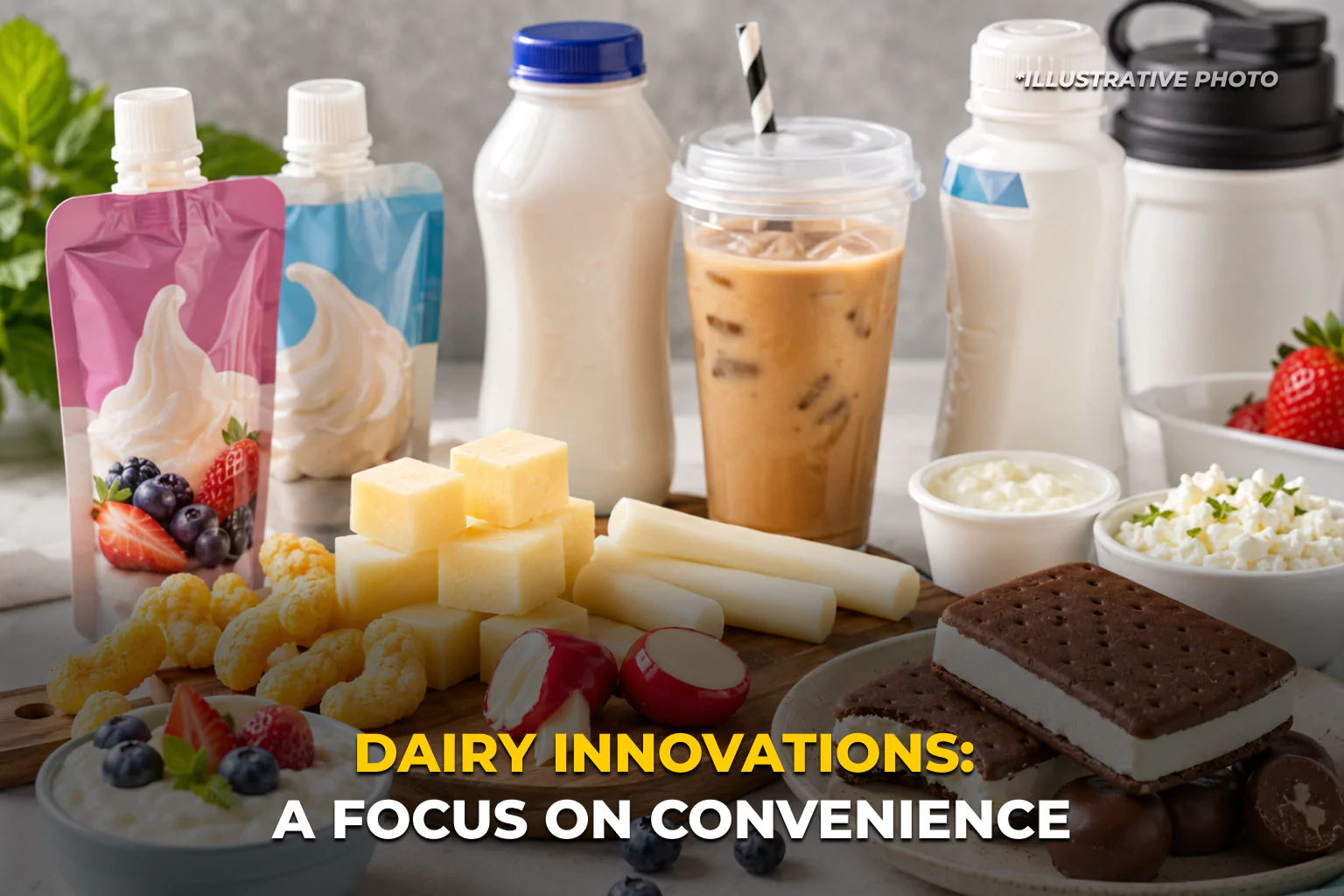
Demand for snacks and on-the-go products continues to drive innovation in the dairy sector. According to the Dairy Reporter, manufacturers are increasingly combining convenience with functionality, high protein content, healthy eating and new product formats.
From sachets to single-serve formats: convenience is driving innovation in the dairy industry. Here’s how brands are making the most of this trend
The popularity of snacks has continued to grow since the pandemic, which has significantly altered consumers’ buying habits and approaches to new product development. At the same time, attitudes towards snacks are changing: consumers are increasingly looking for products that combine convenience with health benefits.
Trends in active lifestyles, weight management and health promotion are driving demand for products high in protein, fibre and ingredients that support gut health. As a result, manufacturers are increasingly tailoring their products to specific consumption scenarios — such as a snack on the go, after a workout or between main meals.
Against this backdrop, dairy products are gaining new opportunities for growth thanks to their natural qualities, functionality and ability to adapt easily to modern consumption patterns.
Pouches
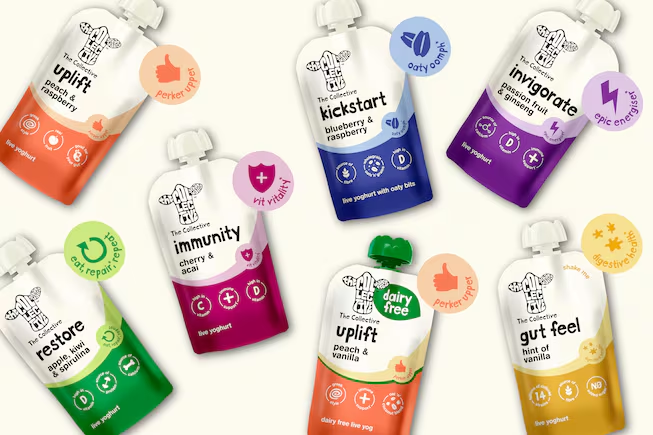
Yoghurt pouches, which were previously associated mainly with children’s snacks, are now rapidly gaining popularity among adult consumers. This format is growing particularly rapidly in Western Europe, North America and Australia.
The Australian Farmers Union markets its Greek yoghurt pouches as the ‘perfect on-the-go snack’. The company offers a range of probiotic-containing products, with no added sugar and high in protein, tailored to meet a variety of consumer needs.
In the US, Bel has expanded its GoGo SqueeZ brand by adding sports nutrition products containing electrolytes and protein-enriched fruit and dairy options.
In the UK, the Onken brand is actively promoting yoghurt and milk pouches made from just a few natural ingredients. The products are marketed as a quick and convenient snack and are even included in Tesco’s Meal Deal range.
Other companies, including The Collective, are also expanding their range of pouches in response to growing demand for on-the-go products.
Cheese portions, bars, puffs and sticks
Cheese is increasingly moving from the traditional sliced cheese category into the functional snacks segment. Manufacturers are focusing on portion-sized products that are high in protein and low in fat.
The British brand EatLean is expanding its international presence thanks to demand for high-protein cheese snacks. The company offers protein bars and flavoured cheese puffs, combining health benefits with the concept of ‘guilt-free indulgence’.
Leerdammer has recently launched a range of mini cheese cubes on the UK market. Heloise Le Norcy-Trott, Marketing Director at Lactalis UK & Ireland, said: “Cheese snacks are becoming an increasingly important part of the category, as shoppers look for products that combine convenience, quality and great taste.”
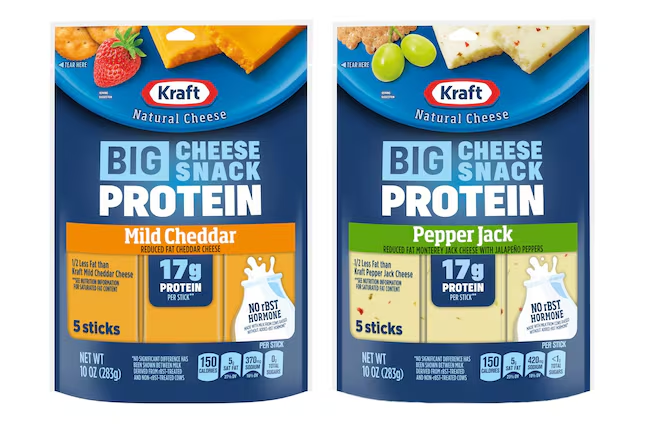
In the US, Kraft Natural Cheese has launched Protein Sticks — cheese sticks containing 17g of protein, designed to be eaten before or after workouts, as well as a snack for work or packed lunches.
At the same time, Bel US reports a significant increase in sales of BabyBel, which remains popular across generations thanks to its convenient format and natural ingredients.
Ice cream bites and sandwiches
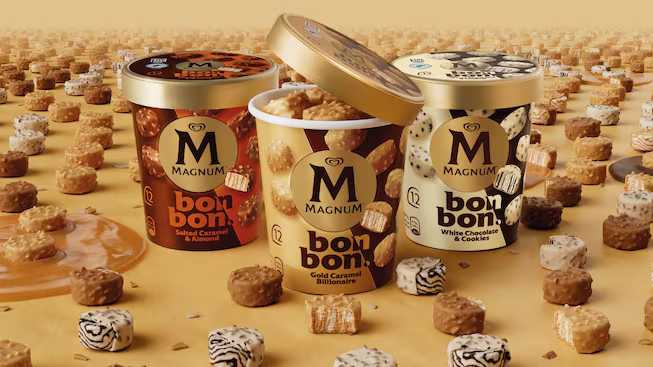
The frozen desserts segment is also actively adapting to the trend towards convenient consumption. Mini portions of ice cream, ice lollies and ice cream sandwiches are helping brands to combine portion control with a premium taste experience.
Products such as Magnum Bonbons or Ben & Jerry’s Cookie Dough Sandwich allow manufacturers to experiment with textures and flavours, whilst maintaining the concept of ‘guilt-free treats’.
For premium brands, high-quality milk cream remains a key component of the product, and particular attention is paid to sustainable production and consistent quality of raw materials.
Ready-to-drink (RTD) beverages
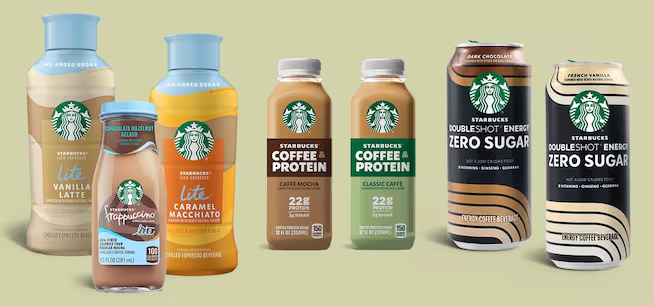
The ready-to-drink (RTD) beverage segment continues to grow rapidly. Functional dairy drinks are developing particularly rapidly, particularly high-protein products, sports drinks and iced coffee.
The popularity of ready-to-drink coffee is growing among consumers with active lifestyles. Manufacturers are actively experimenting with adding protein, reducing sugar content and improving the taste.
The Dairy Reporter notes that it is convenient-to-eat formats — pouches, cheese snacks, mini-desserts and ready-to-drink (RTD) drinks — that offer dairy brands new opportunities to expand their consumer base and maintain consumer interest.
Despite differences in positioning, all these formats enable manufacturers to better cater to modern consumer habits, as consumers increasingly value a combination of convenience, functionality and taste.
Source: Dairy Reporter