
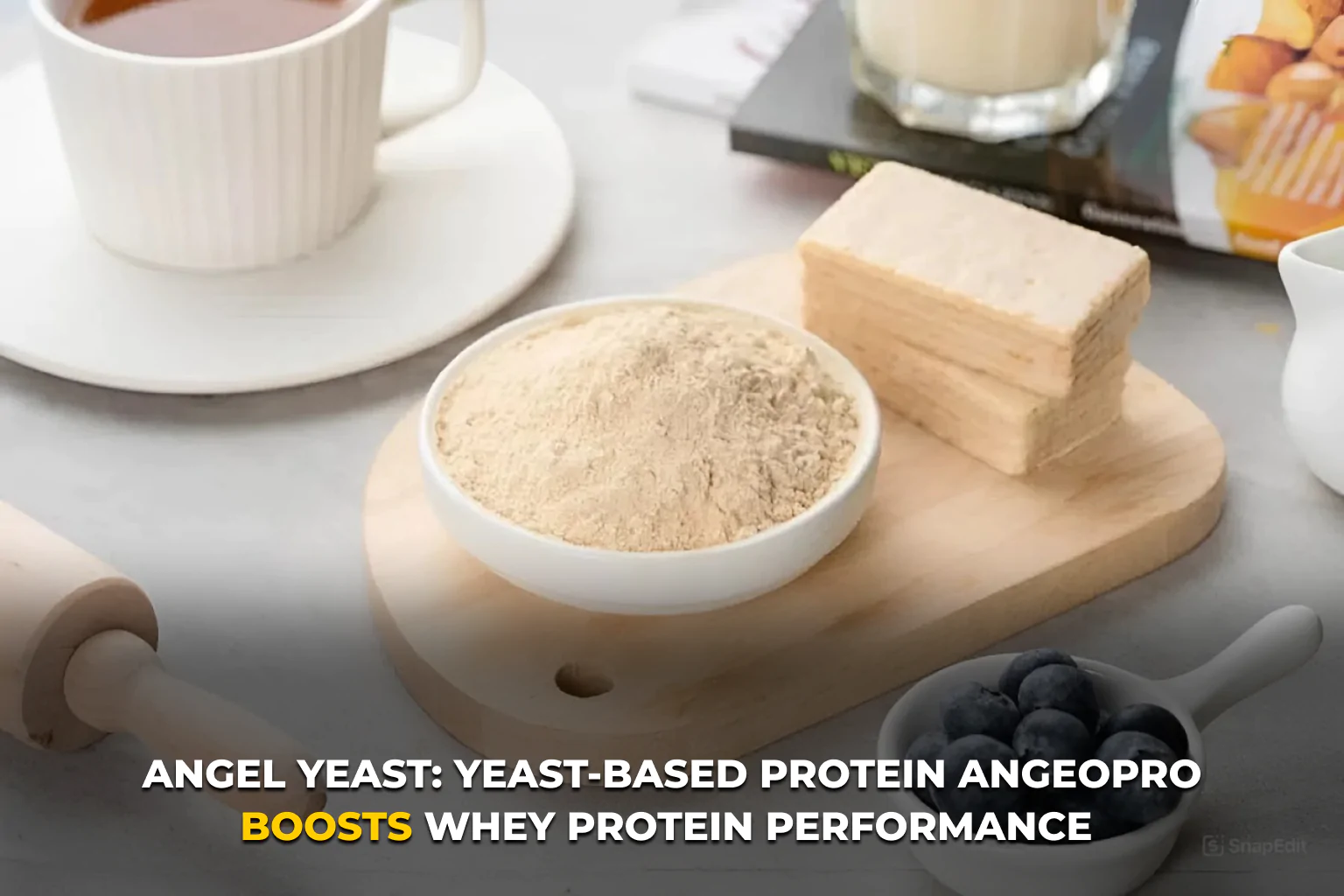
In the search for the “perfect protein,” Angel Yeast has found that blending whey protein with AngeoPro Yeast Protein creates a synergistic effect that surpasses either source used alone. As Nutrition Insight reports, the optimal blend ratio is 7:3 or 8:2 in favour of AngeoPro.
Compared to whey, AngeoPro features higher levels of leucine (90 mg/g), arginine (60 mg/g), lysine (93.1 mg/g) and threonine (52.6 mg/g), and delivers two to three times more phenylalanine and tyrosine. Blending both proteins can improve an Amino Acid Score by up to 43% compared to whey isolate alone, while supporting muscle protein synthesis as effectively as pure whey.
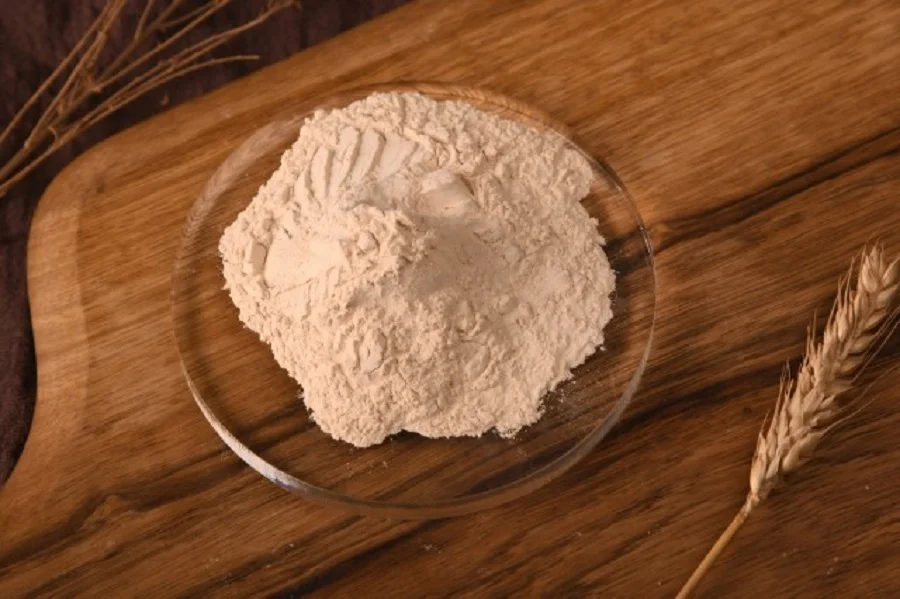
AngeoPro contains over 80% protein, achieves a PDCAAS of 1.0 and includes all nine essential amino acids. The fermentation process produces it with zero animal sources and zero allergens — making it suitable for consumers with lactose intolerance, milk protein allergies, vegan preferences or religious dietary restrictions.
Protein complementarity
Angel Yeast’s research into “protein complementarity” shows that blended proteins can bridge the amino acid gaps of single-source proteins. The Protein Efficiency Ratio of a blend with AngeoPro is significantly higher than that of casein, whey or soy alone. Unlike traditional proteins, AngeoPro is produced via fermentation, ensuring a stable, predictable supply chain.
Micronutrient profile
The yeast fermentation process naturally produces B-complex vitamins and dietary fibre. AngeoPro is rich in iron (80 mg/kg) and zinc (350 mg/kg). When blended with whey — high in calcium and potassium — the result is a mineral-fortified “super-protein.” With negligible sugar and fat, it enables keto and low-sugar claims.
Building consumer appetite
The EU and Japan have both classified yeast protein as a conventional food; in the US it holds self-affirmed GRAS status. Angel Yeast is actively accelerating the formal FDA GRAS registration process. In November 2025, the company launched a new yeast protein production line in Yichang, Hubei, China, with annual capacity of 11,000 tonnes at over 80% protein content.
Source: Nutrition Insight