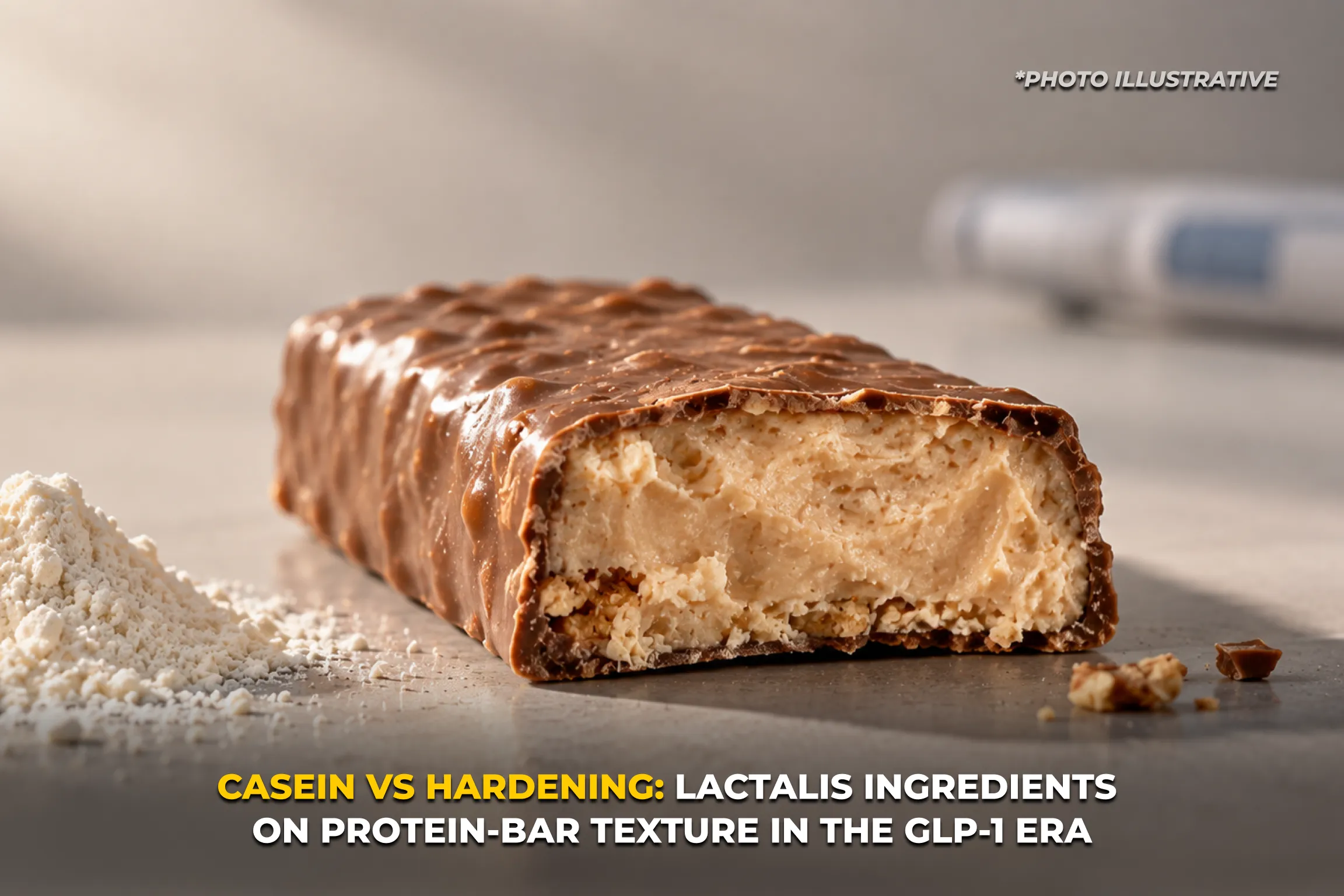


Global demand for whey is insatiable and US capacity has essentially been soaked up by the domestic market, so the food industry is hunting for ways to replace the “rockstar protein”, DairyReporter reports.
A whey shortage is gripping the food industry, with sales soaring so fast that availability is drying up. Whey is a key protein source, but it also plays several important functional roles in food production — and some of those can be replicated by alternatives.
Why is there a whey shortage?
The reason is simple: high demand. “Due to the increased demand, the whey market is in a new balance,” says Alexander Anton, secretary general of the European Whey Processors Association and the European Dairy Association.
US production is basically unavailable to the international market, absorbed by domestic demand, and while some producers are looking elsewhere, such as Europe, it is unclear whether that market can cope with the strain.
The rise of GLP-1 drugs is another factor: in the US, whey is often prescribed alongside GLP-1s, and the sheer number of users has sent demand soaring. Anton expects it to stay high: “It is likely to remain tight in the near term at global level. Some easing may come as new processing capacity is added, but the market may very well stay structurally firm.”
What is the functional role of whey?
Whey’s main purpose in food is to add protein, helped by its good solubility across a wide pH range, explains KJ Burrington, VP of technical development at the American Dairy Products Institute. Whey protein isolates (WPI) in particular can make clear protein drinks at a low pH of 2.8–3.5 — a “unique property”. Beyond protein, Anton says whey helps stabilise emulsions, contributes to gelation and texture, supports foaming and aeration, and helps manage moisture and consistency. Whey and ingredients like whey protein concentrates (WPC) have also been used as fat and egg replacements and for water binding, whipping and browning.
What are the alternatives to whey?
Milk protein concentrates or isolates can replace whey proteins in most applications, says Burrington, and are even better in some respects — with higher heat stability than whey at pH 6.5–7, ideal for UHT (ultra-high-temperature) ready-to-drink beverages. There are exceptions, though: milk proteins lose solubility below pH 6.0, so they will not work in highly acidic drinks, and they bind more water than whey, developing more viscosity.
Other dairy proteins, such as casein-based ingredients, can also serve as substitutes, according to a spokesperson for ingredients company Arla Foods, though it depends on the application: casein’s water-binding properties make it suitable for dairy products and it can also be used for emulsification. As whey remains scarce, the industry may increasingly turn to alternatives — but these will usually deliver some, not all, of whey’s functionality.
Source: DairyReporter