


The controversial ingredient is growing in popularity, but debate still rages over both its health benefits and its animal welfare credentials.
Colostrum has strong potential in the functional food market but remains controversial — over both inconclusive health evidence and animal welfare, as it is diverted from newborn calves that need it more, DairyReporter reports.
What colostrum is, and its potential
Colostrum is the milk a mammal produces in the first few days after birth, rich in antimicrobial peptides, growth factors and immunoglobulins.
Bovine colostrum is the most common, though sheep and goat colostrum are increasingly used in Europe, per Grand View Research, which forecasts a 7.1% CAGR for the market between 2026 and 2033.
It suits functional food use — already appearing in ice cream, kefir, yogurts and infant formula — and per Tastewise features on two-thirds more menus than a year ago, with about one in three consumers linking it to gut health. Clean-label demand could give it an edge.
Is it really healthy?
Evidence is mixed. One review found colostrum may improve respiratory recovery and immunity (though researchers flagged bias risk), and another linked colostrum-enriched milk to lower pro-inflammatory markers.
But gut-health company Zoe named bovine colostrum a «wellness fad to avoid», arguing there is not enough evidence the nutrients that help a calf work for adults.
Some studies are inconclusive — colostrum may reduce NSAID-induced intestinal permeability yet increase it during endurance exercise versus whey — and a systematic review on gastrointestinal disease was inconclusive.
Animal welfare and replication
Colostrum is more controversial than other dairy products: taken from a cow, it is by definition not consumed by the calves that need it, prompting welfare criticism.
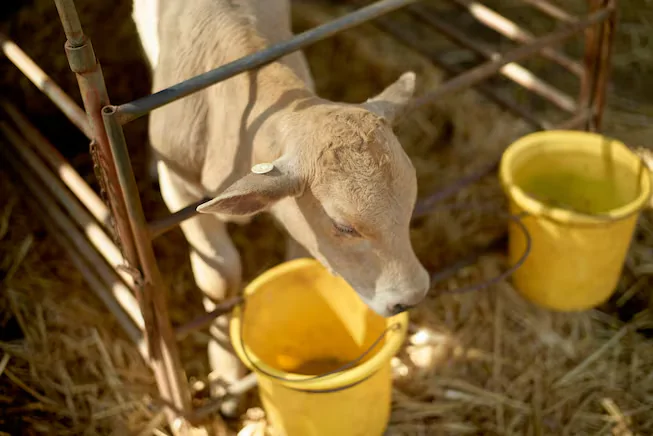
Zoe called it «cruel», and PETA said it is «not meant for humans». It is also hard to replicate.
«Cows’ colostrum is a complex mixture of proteins, along with minerals, vitamins and antibodies optimised to meet the needs of newborn calves», says Dr Stella Child of The Good Food Institute Europe.
Precision fermentation targets specific proteins, so a full colostrum product is difficult, and PETA says there is currently no vegan replacement.
Source: DairyReporter