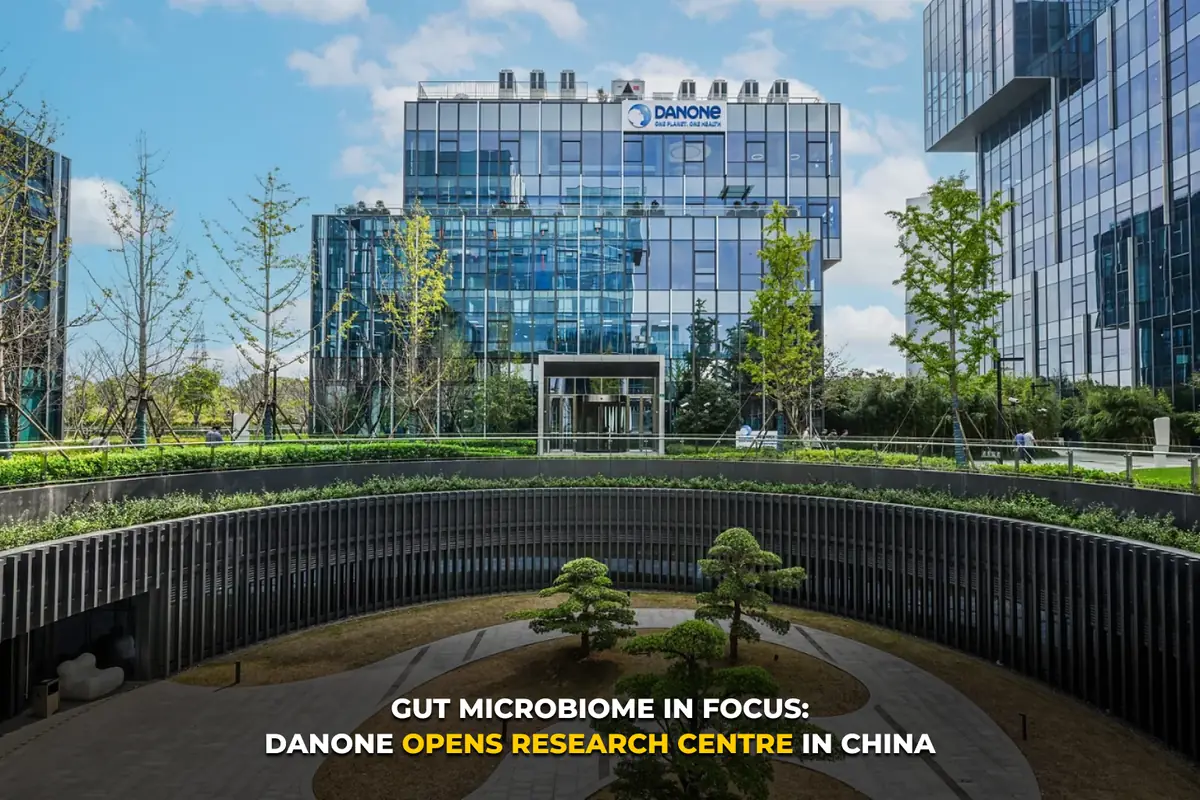
Danone has opened a new research and innovation centre in Shanghai, China, to advance research and product solutions in three core areas: the gut microbiome, health span and early-life nutrition, DairyReporter reports.
Key points:
- the 5,200 m² centre was officially opened on 2 November;
- it houses the 900 m² Danone OneBiome Lab, the company’s third after Paris-Saclay and Singapore;
- the centre also includes a 700 m² pilot plant and a 300 m² consumer engagement hub;
- one research focus will be bringing infant formula composition closer to breast milk.
The gut at the core
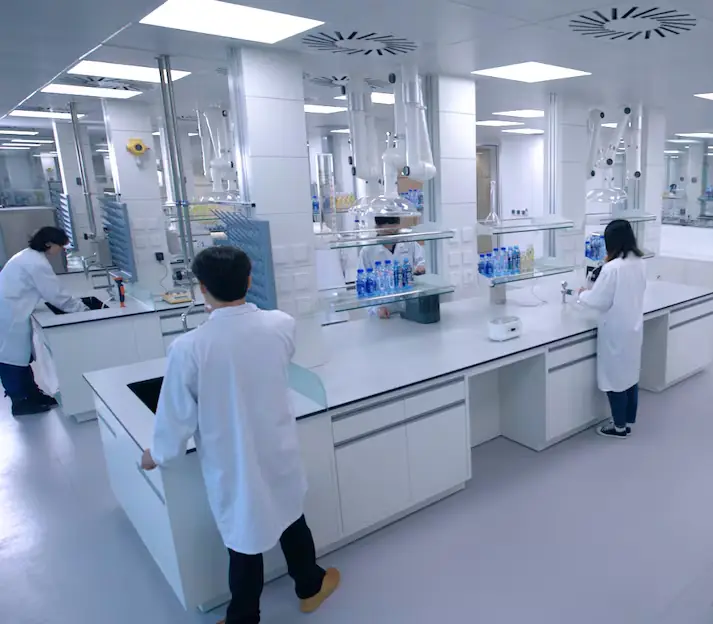
One of the centre’s main features is the 900 m² Danone OneBiome Lab dedicated to microbiome research, the company’s third after Paris-Saclay and Singapore. The lab is equipped for bacterial DNA extraction and analysis to deliver a precise understanding of gut microbiome profiles.
Speaking to NutraIngredients, Isabelle Esser, Danone’s chief research, innovation, quality and food safety officer, said the company is especially interested in combining its understanding of the gut microbiome with nutritional solutions for healthy longevity, health span and early life.
The gut microbiome is a key research focus, as gut profiles differ between individuals depending on age, health status, environment and lifestyle, she said.
«Some of the most important scientific areas on which we at Danone are investing are related to gut health and to biotics. The gut microbiome is basically being changed with all the life events — illness, stress, sleep, diet. Because the gut microbiome is closely linked to our health status, including immunity and metabolism, the question then is how we can rebalance, restore, or maintain a healthy microbiome. All of these are axes of research», Esser said.
Danone had been building expertise in gut health, healthy ageing and early-life nutrition in China even before opening the Shanghai centre. Three years ago, it set up an innovation centre with Qingdao University focusing on the gut microbiome across life stages.

Its recent healthy-ageing launches include Ganmai, a range of products to be taken at different times of the day, including a probiotic fibre powder drink for gut and immune health.
«China is very much at the forefront of health and health span. There is also something which is culturally very embedded about maintaining health in the golden years as well», Esser added.
Early-life nutrition focus
The new centre will also build on Danone’s research on early-life nutrition in China, including breast milk composition and how infant formula composition influences the infant gut, with the aim of providing nutritional solutions that closely mimic breast milk.
«We have been doing a lot of studies with Chinese mothers and mothers’ milk. Every time, our research is about getting closer and closer to breast milk to give infants the best chance to grow healthily», said Esser.
Aptamil, Danone’s infant formula brand, is one of the leading brands in China alongside local brand Feihe. Through the new centre, the company hopes to identify the next generation of innovation opportunities in early-life nutrition.
«We would like to define what else we could do, what are the things that we would need to study better to understand where the next generation of potential innovation is that could help us keep this ability to be as close as possible to breast milk, knowing that this is the best thing that we could offer for babies», said Taous Lassel, Danone’s VP of Research and Innovation for Asia-Pacific and China.
The facility
Besides the OneBiome Lab, the Shanghai centre includes a 300 m² science experience and consumer engagement hub and a 700 m² pilot plant.
The consumer engagement hub is designed to help the company better understand consumer needs and turn them into new product ideas, including new nutritional products and packaging concepts.
The centre can also conduct sensory testing, prototyping and the development of digital health services, bringing together different dimensions of R&D. Digital health tools Danone has already developed in Singapore include a stool tracker, an iron tracker and a growth tracker.
Source: DairyReporter