
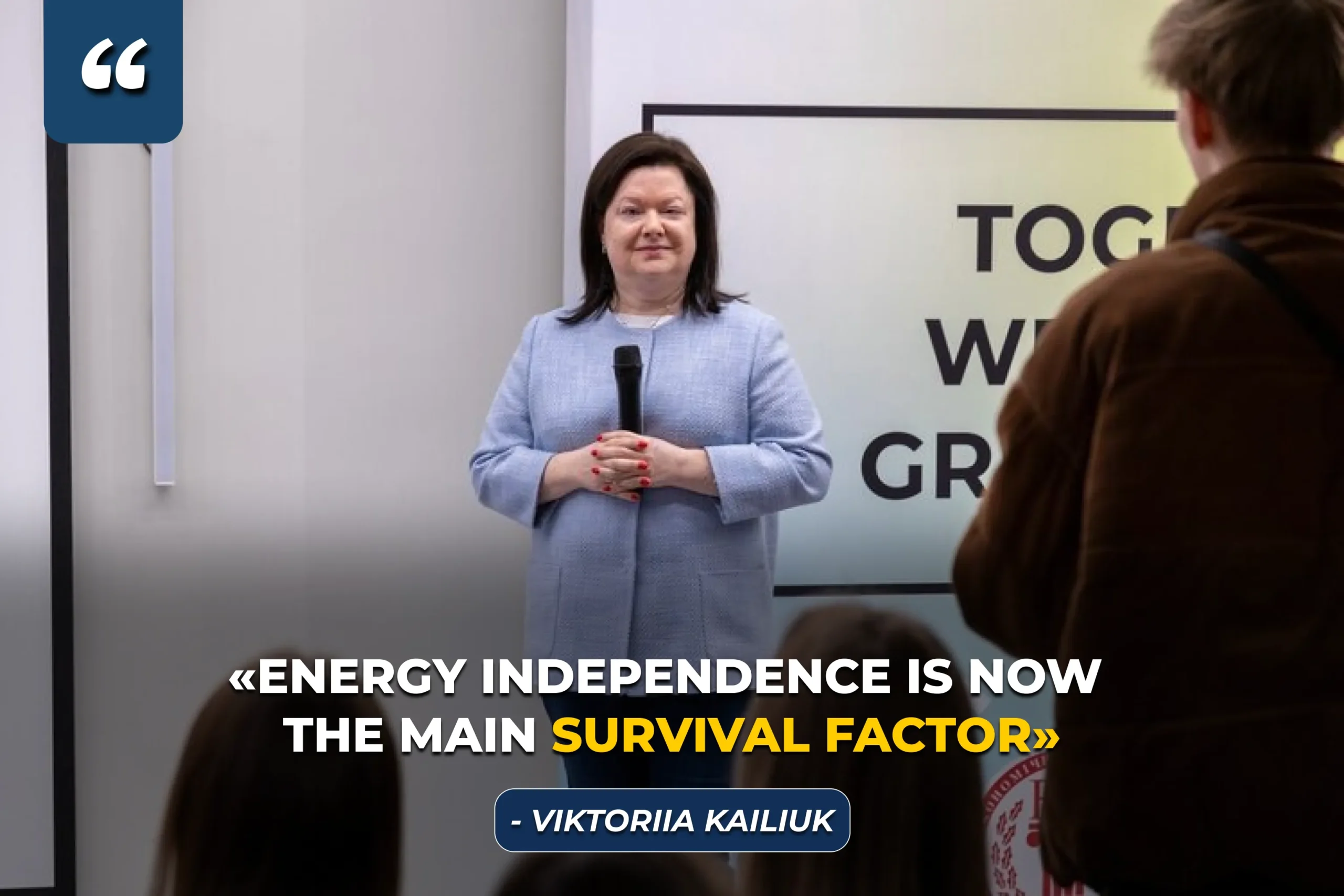
Terra Food, one of Ukraine’s largest dairy holdings, has moved well beyond milk processing: it runs the Zelena Dolyna agricultural complex, invests in solar power and plans to develop bioenergy to close its production loop. CEO Viktoriia Kailiuk discussed margins, financing and payback periods in an interview, NV Business reports.
The business
Founded by Stanislav Voitovych in 1999 with the purchase of the Tulchyn butter-and-cheese plant, Terra Food is now a vertically integrated group and Ukraine’s dairy leader by milk processing and product sales. It operates 11 production sites, employs over 3,800 people and farms a land bank of more than 25,000 hectares.
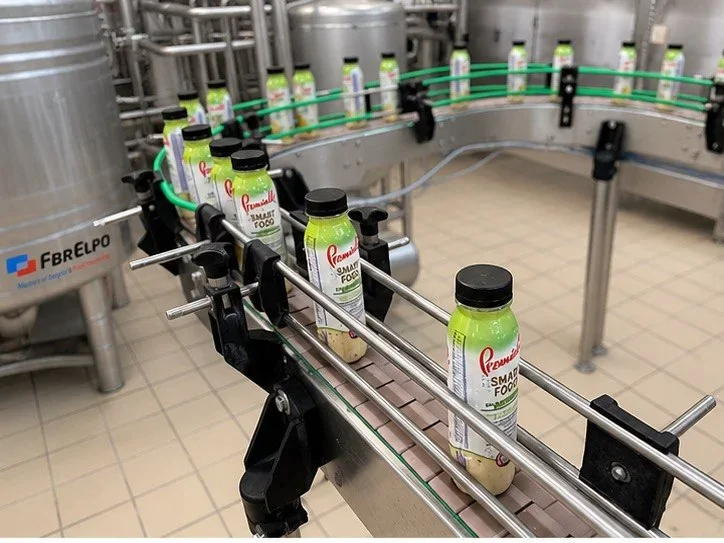
Its dairy arm makes over 10,000 tonnes of products a month, processes more than 320,000 tonnes of milk a year, exclusively supplies McDonald’s Ukraine with milk mixes and ice cream, and exports to over 60 countries.
Its agricultural complex, Zelena Dolyna, created in 2004 around the Tomashpil sugar plant in the Vinnytsia region, includes a 100,000-tonne grain elevator, a feed mill and five livestock complexes. The sugar plant processes over 2,600 tonnes of beet a day and makes about 40,000 tonnes of sugar a season, while the herd numbers roughly 4,000 head — including over 1,350 milking cows — yielding more than 11,000 tonnes of milk a year.
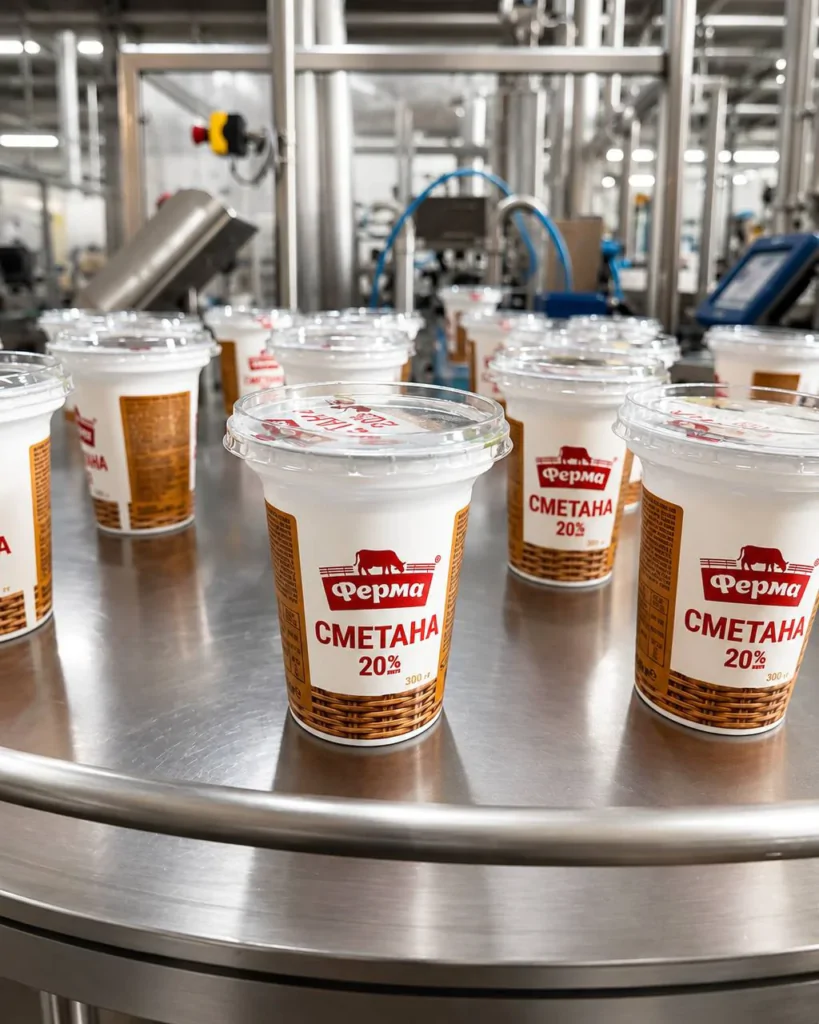
Dairy sales far exceed agriculture in value, Kailiuk says, yet both segments deliver comparable absolute EBITDA.
Why green generation
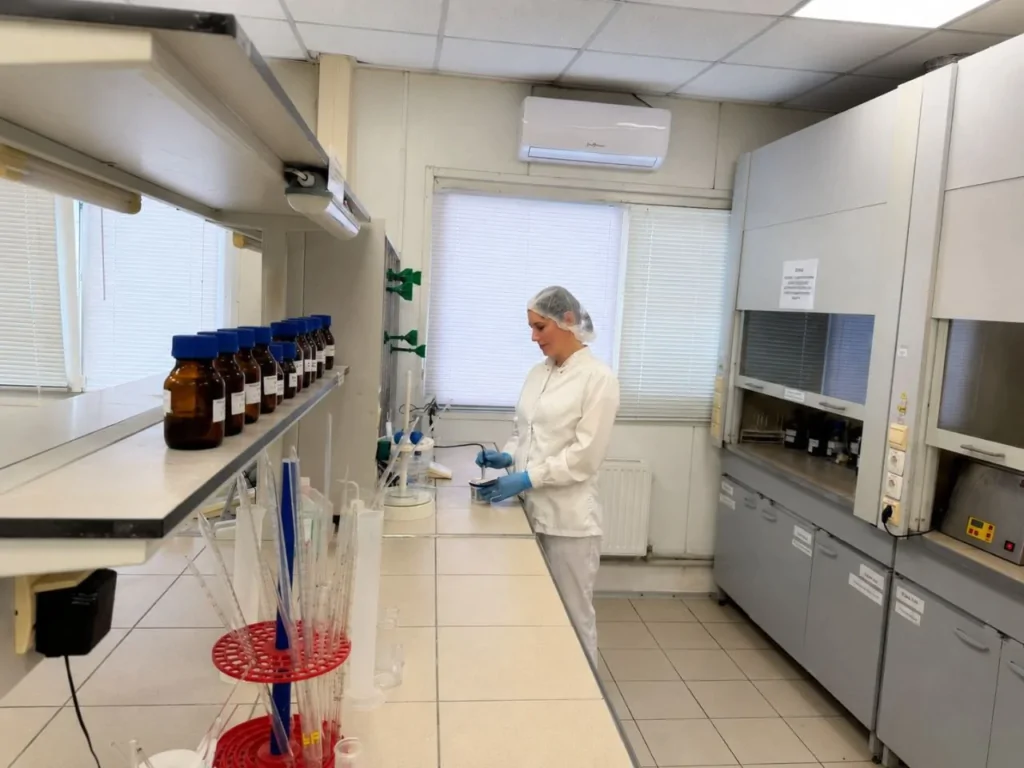
Processing depends on an uninterrupted technological cycle, so stable power directly affects cost and product quality.
Investment in energy independence, Kailiuk says, is now the main factor for survival, profitability and access to European markets. Diesel generators were the quickest fix in earlier years, but they raise production costs in operation — hence the shift to cheaper renewable generation as protection against tariff spikes.
What has been built
Active investment began in the second quarter of 2025 in the agricultural arm. The group has installed more than a dozen solar plants of 20 to 300 kW each, starting with livestock complexes, where ventilation, heating and milking systems cannot be interrupted without risking animal deaths.
A 300 kW plant at the grain elevator has made storage independent of the unstable grid and cuts peak loads during harvest. Several solar plants paired with battery storage (BESS) are still being installed.
Solar has significantly improved Zelena Dolyna’s energy independence, though full autonomy will require more capacity and energy-saving equipment.
Investment, financing and payback
Total investment in energy independence across the group has almost reached UAH 100 million. Based on pre-launch estimates, the solar projects should pay back in three years under an optimistic scenario and up to six years under a pessimistic one. ProCredit Bank was the key financial partner for the solar and BESS projects, with guarantees provided by the European Bank for Reconstruction and Development (EBRD), making financing accessible and considerably cheaper than market rates.
Bioenergy plans
The group assesses efficiency across nearly all projects that combine lower specific energy consumption with in-house generation, creating a closed energy loop shielded from grid shocks. Among those under consideration is building biogas and cogeneration facilities, which would both use up production waste and — given energy-intensive assets such as the sugar plant — displace expensive energy carriers and create potential for export revenue in euros.
Source: NV Business