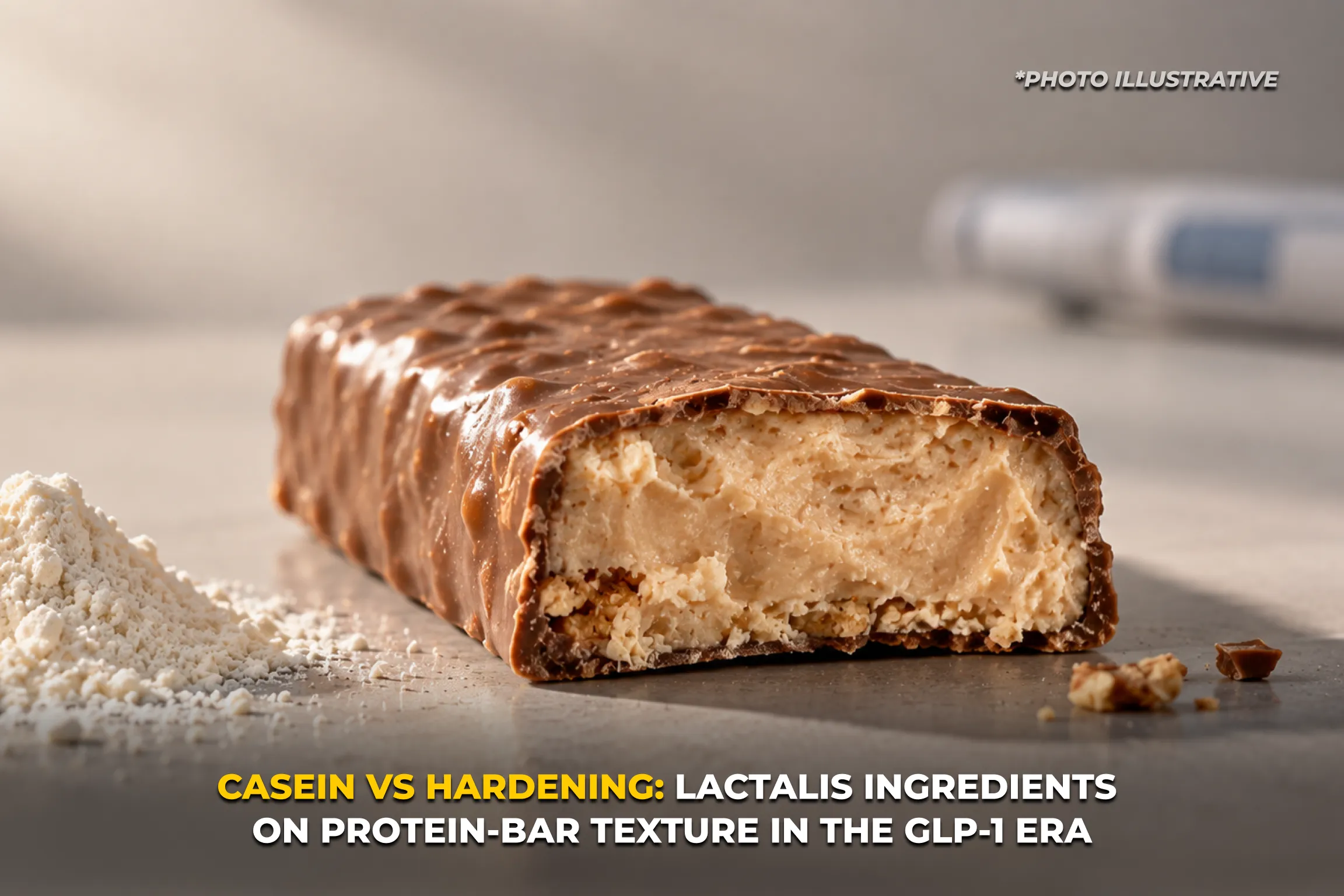


Protein has outgrown sports nutrition to become a mainstream food-and-drink ingredient. Food Ingredients First spoke with Leprino’s B.T. Nauslar (VP, Nutrition Global Business Unit) and Angela Queneau (director of Nutrition R&D) about how dairy proteins are reshaping everyday F&B — and why micellar casein remains underused, as reported by Food Ingredients First.
Nauslar argues protein has shifted from a niche sports ingredient into a mainstream nutrition platform tied to satiety, balanced diets, healthy aging and weight management. Consumers now want it built into what they already eat and drink — coffee, smoothies, snacks, dairy, baked goods, hydration drinks — without giving up taste or texture. Dairy proteins fit that brief, he says, thanks to complete amino-acid profiles plus functional benefits like creamier texture and better stability.
Queneau notes micellar casein is relatively scarce: most whey is a cheesemaking byproduct that leaves casein behind in the cheese, whereas Leprino dries whey directly from milk and harvests functional micellar casein as a powder. Long overlooked because it is new to R&D benchtops, it delivers heat stability, emulsification, water binding and clean flavor across dairy, soups, sauces, bakery and snacks — often simplifying formulations.

On its Micellar Casein Isolate, Queneau explains a cold-filtration process separates protein from fresh Grade A milk without heavy heat or acid, preserving the casein micelle and yielding an unusual 95:5 casein-to-native-whey ratio versus the conventional 80:20. Less whey means better heat stability, lower gelation risk and cleaner flavor, plus strong emulsification and water binding — and, in some cases, fewer stabilizers or emulsifiers for clean-label formulation.

Nauslar points to microparticulated whey protein as a way to keep reduced-fat products creamy: uniformly sized particles mimic the mouthfeel of fat while adding high-quality protein, useful in dairy, yogurts, frozen desserts, beverages, sauces and dressings, with fewer processing headaches than traditional whey.
Queneau adds that new-generation clear whey proteins — such as Leprino’s Clear Pro 90 — now stay stable and clear in low-pH systems, opening protein-rich refreshment drinks, hydration products, sparkling and fruit-forward beverages and functional snacks that avoid the heavy texture of classic shakes.

The biggest untapped opportunity, Nauslar says, is weaving protein into everyday occasions not traditionally seen as protein vehicles — coffee, hydration, carbonated drinks, bakery, snacks, even indulgent foods — plus premium products that pair indulgence with nutrition. The goal isn’t simply more protein, but protein that lifts nutrition, texture, stability and taste at once.
Source: Food Ingredients First