
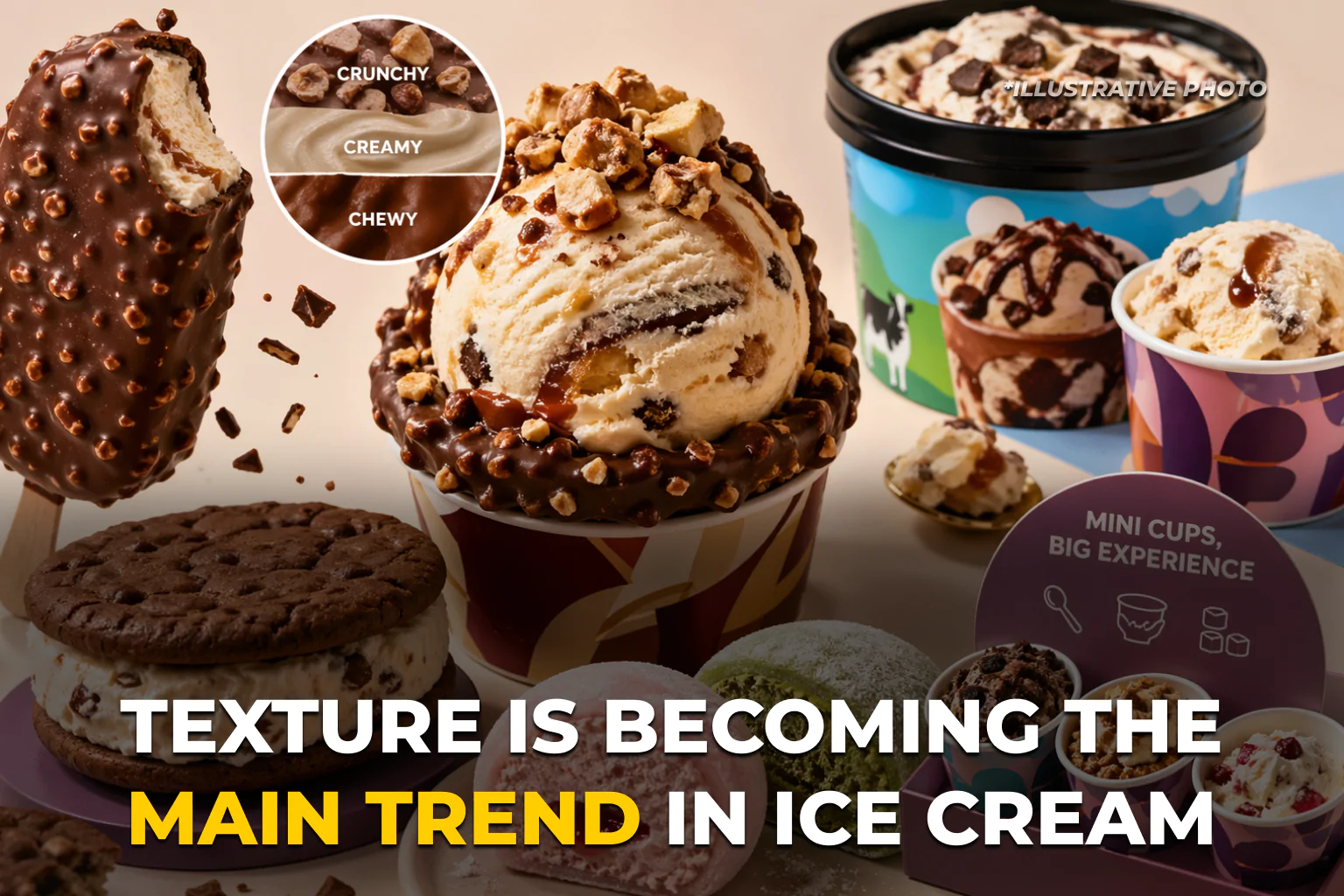
The choice of ice cream is increasingly determined not only by taste, but also by the sensory experience of eating it. According to Dairy Reporter, by 2026 texture had become a key driver of innovation in the category.
From multi-layered desserts to crunchy chocolate coatings — there’s a new key to success in ice cream, and it’s no longer just about the taste.
Traditionally, the choice of ice cream was determined by flavour, but today texture plays an equally, and sometimes even more, important role in what consumers choose from the freezer aisle.
According to Mintel, the creative use of texture is a key element of innovation in 2026 — so much so that analysts claim: ‘texture is everything’.
Layered ice creams, swirls and waves, crunchy coatings and combinations of different textures — all of these are vying for consumers’ attention and their money. For brands, emphasising texture through innovative product formats is becoming key.
Here’s what the leading ice-cream manufacturers are doing.
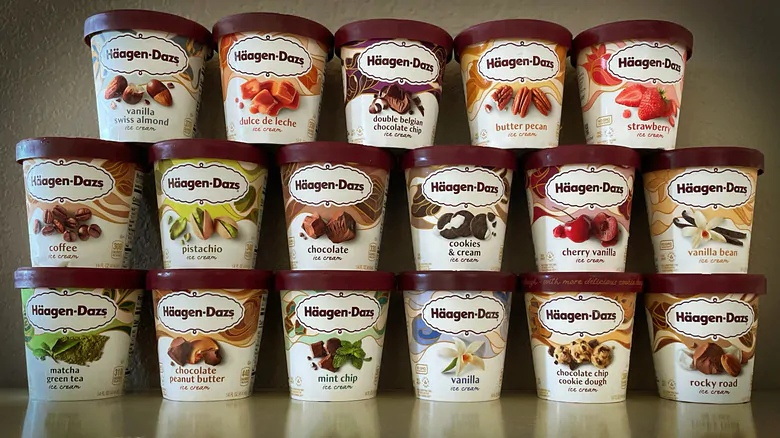
Haagen-Dazs thick and crunchy ice cream stickbars
Häagen-Dazs, a brand owned by General Mills and renowned for its premium ice cream, has always placed great emphasis on texture. Its ice cream has a low air content, ensuring a dense texture immediately after purchase.
The brand pairs that with texture elements such as cake and cookie bits or swirls. Tiramisu flavour being the latest examples of how the brand is converging multiple trends – indulgence, dessert mash-ups and texture-led innovation – to capture demand.
Beyond tubs and mini-tubs, the brand has launched multi-layered chocolate bars with a thick chocolate coating and a crunchy texture. A fruity-forward, Creamy Strawberry, has also been introduced, adding a touch of lightness to this indulgent treat.
“Consumer interest in texture has a significant influence on our product development, and innovation is increasingly driven by how a product feels, changes and unfolds as it is consumed,” said Holly Bouldin, Head of Brand for Häagen-Dazs in the UK.
‘Consumers don’t want a monotonous texture — they’re looking for complexity, contrast and a sense of craftsmanship that enhances the overall experience.’
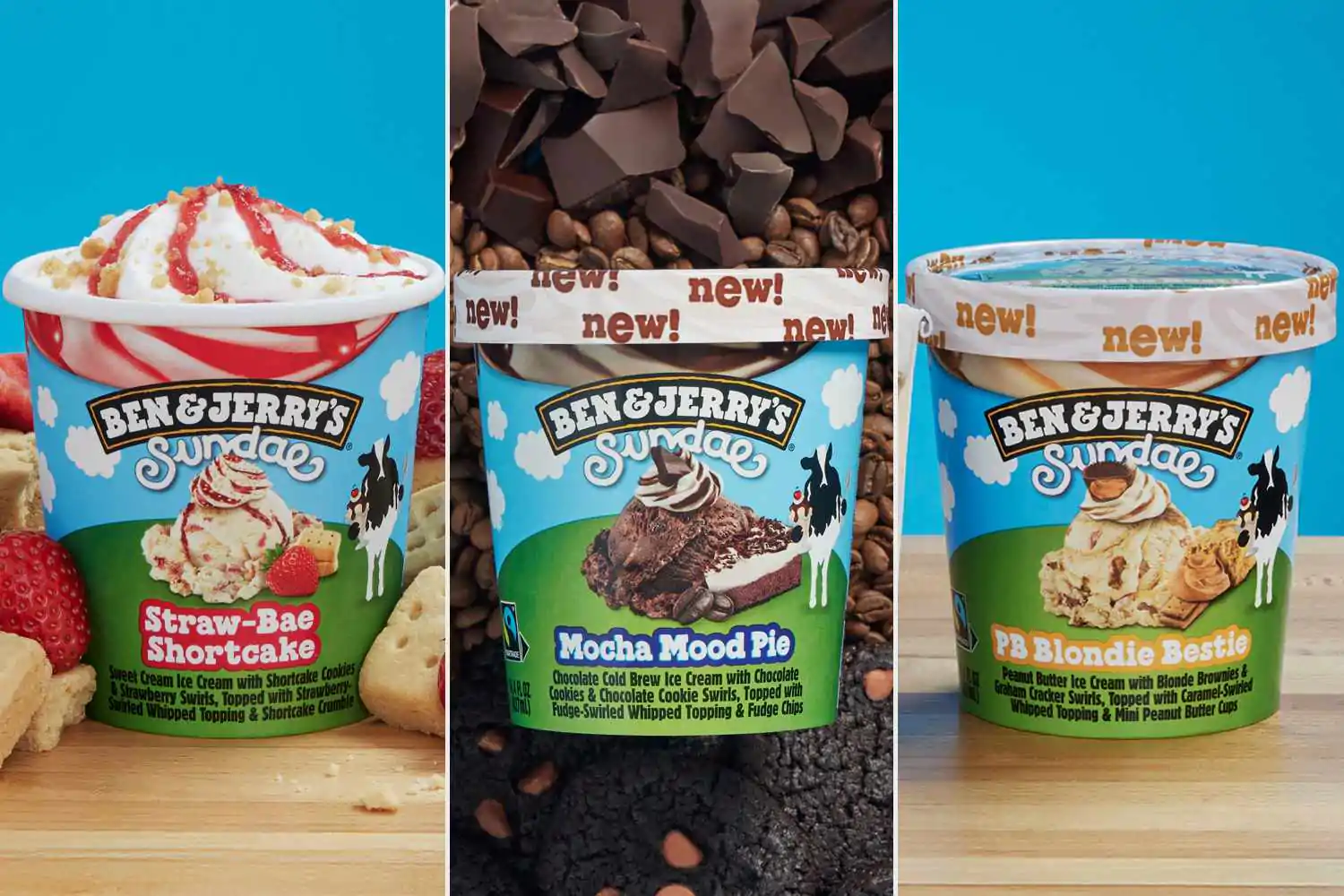
The success of Ben & Jerry’s Sundae
Ben & Jerry’s launched its Sundae ice cream range last year, and it has been steadily gaining momentum, becoming one of the brand’s best-selling product ranges over the past year.
Described as offering ‘all the joy and indulgence of a luxurious ice cream sundae without the hassle of making it yourself’, this range prioritises texture – chunks, swirls, whipped cream and toppings – to create a playful, over-the-top sense of indulgence.
As the brand’s ‘flavour guru’, Natalia Butler, said: ‘I like to think of every Sunday as a treasure hunt for textures, starting with that thick, creamy ice cream you already know and love, nestled beneath a layer of rich whipped topping and topped with the perfect balance of the finest swirls and chunks you’ve ever encountered.’
Sandwiches are making a comeback
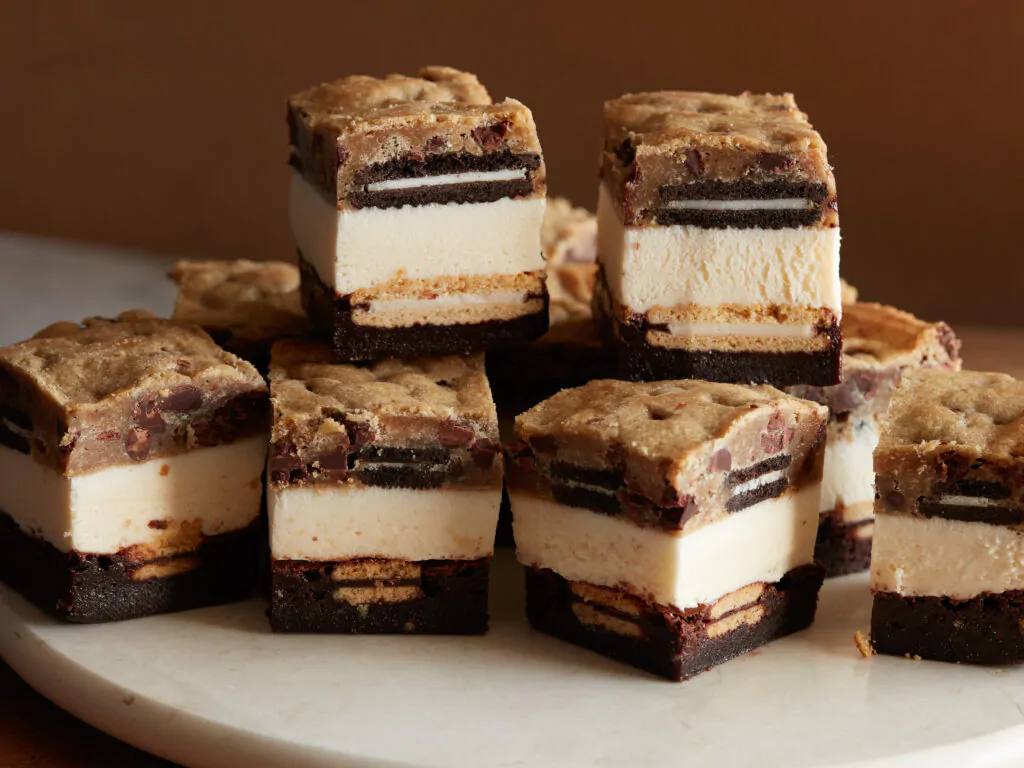
Sandwiches are back in fashion in 2026, and several brands are using this format as part of their strategy to focus on innovations in texture.
Oreo, Lotus Biscoff and Ben & Jerry’s have revitalised this category in recent years. Here, texture is less about crunch and more about structure, with the biscuit providing the flavour and density that supports the creamy centre.
Chewable formats
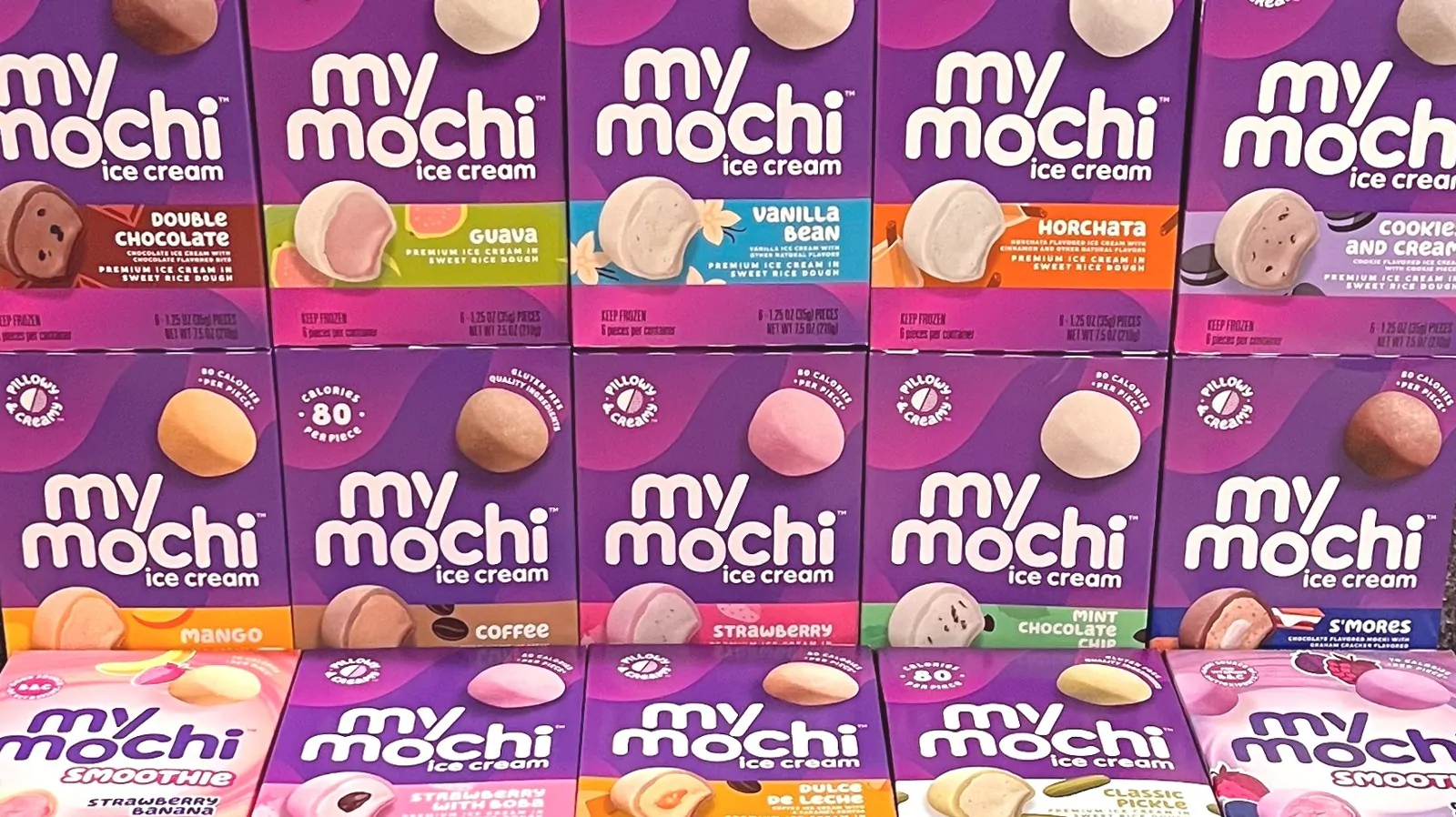
Mochi-style formats may be considered a ‘novelty’, but this category has long since moved from novelty to the mainstream: and its growth continues to accelerate.
According to data from several market research agencies, this category is growing at double-digit rates, driven by virality on social media, the trend towards indulgent treats and demand for snack-sized treats.
And unlike crunchy sticks and multi-textured tubs, Mochi ice cream offers consumers something unique – a soft, chewy experience that stands in contrast to the broader trends in the category.
In the US, the leading Mochi ice cream brand, My/Mochi Ice Cream, has achieved sales of $80 million, according to SPINS MULO data as of 25 January 2026; meanwhile, Circana reports that the Mochi ice cream market as a whole reached $8.6 billion in sales in 2025 alone.
These are impressive figures, and they indicate that this sector is set for further growth. Major players in the consumer goods sector are taking note of this; for example, Morinaga America, Inc. has acquired My/Mochi in a bid to expand its presence in the frozen novelty foods segment.
Bites and mini cups
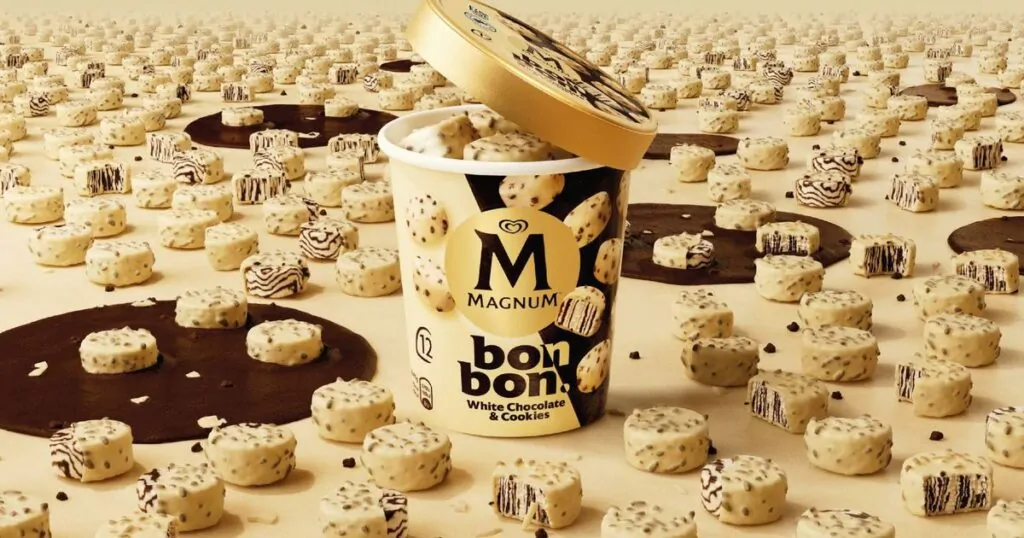
The ice cream world is also being taken by storm by new bite-sized treats. From up-and-coming brands such as Culture Cup by Alec’s Ice Cream to Magnum’s Bon Bons range, this category is expanding thanks to the trend towards snacking.
As around a third of consumers, particularly those from Generation Z, are interested in bite-sized portions, consumers are increasingly prioritising taste over quantity when it comes to treats.
Brands are responding to this trend, with Haagen-Dazs, Oreo and Magnum offering frozen treats.
And although the portions are small, the profit potential is significant. According to Kantar, these bite-sized portions help to elevate the entire ice cream category, as they are often purchased in addition to other formats.
And so, as brands move beyond mere taste, texture has become the decisive battleground in the freezer.
Source: Dairy Reporter