
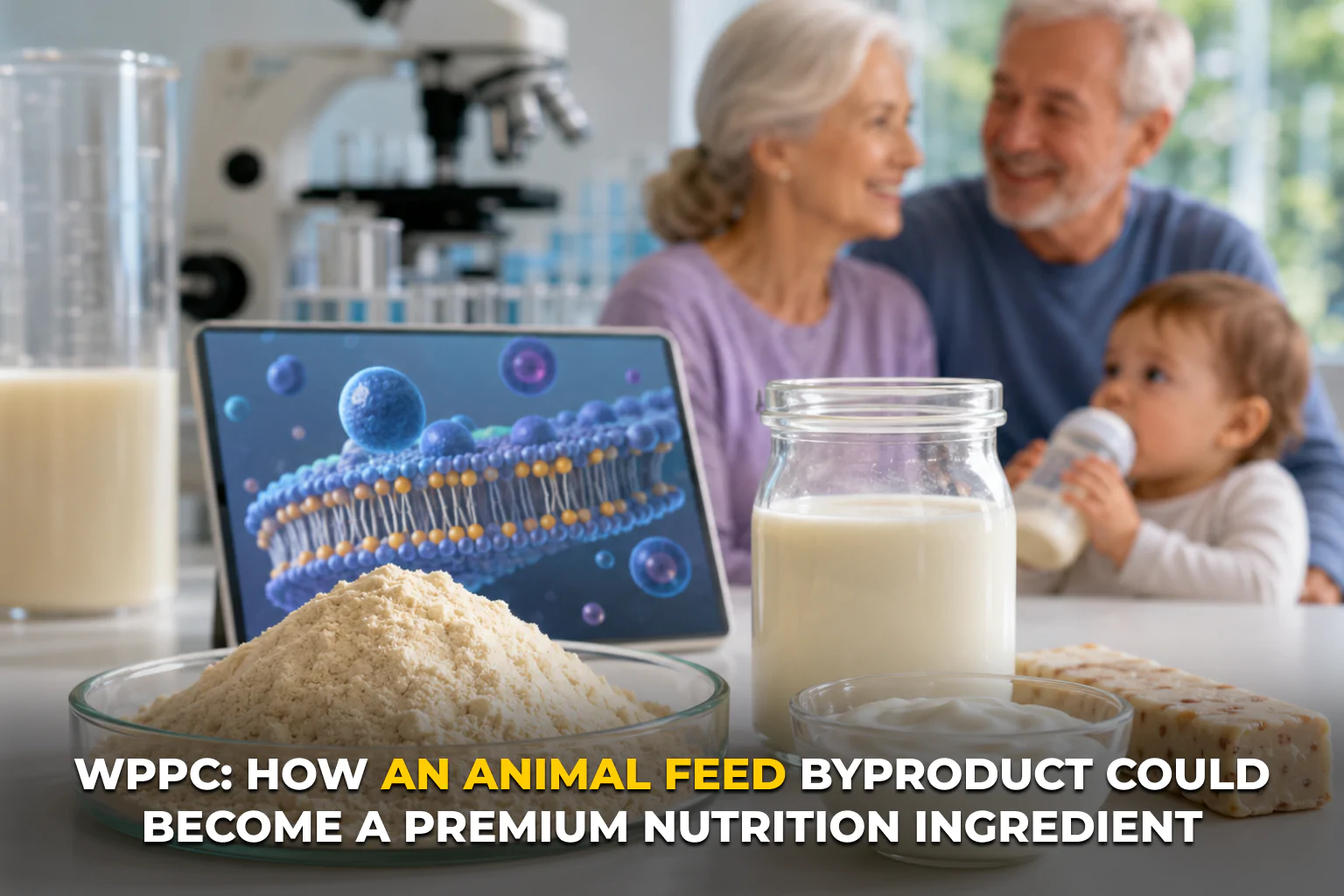
Dairy byproducts, typically used as low-value animal feedstock, have been shown to carry nutritional value for humans too. As Nutrition Insight reports, a new study suggests these byproducts offer manufacturers an opportunity to create functional food ingredients while factoring in environmental sustainability.
Whey protein isolate production generates almost an equal amount of whey protein phospholipid concentrate (WPPC) as a byproduct. Nutrition Insight spoke with study author Dr. Gulustan Ozturk, assistant professor at the University of Wisconsin-Madison’s Department of Food and Nutritional Sciences.
“WPPC is rich in milk fat globule membrane-associated components, including phospholipids, sphingolipids, glycoproteins and bioactive proteins. In preclinical studies, WPPC and its fractions have shown potential to influence gut health, the gut microbiome, bone health, cognitive health and nutrient delivery,” Ozturk said.
Time for human discovery
WPPC is produced during whey protein isolate manufacturing, but historically most research and commercial interest focused on whey proteins themselves, says Ozturk.
“As a result, WPPC has received relatively little attention despite containing valuable milk fat globule membrane (MFGM) components, phospholipids and bioactive proteins.”

Only in recent years has growing interest in MFGM bioactives led researchers to look more closely at WPPC’s potential as a functional ingredient.
“We are taking a dairy coproduct that is currently underutilized and asking whether it can become a value-added ingredient for functional foods,” she said.
Targeted consumer groups
Postmenopausal women and older adults are an important focus, given aging’s association with bone loss, metabolic changes and inadequate intake of nutrients such as choline. The most realistic formats include ready-to-mix powders, dairy beverages, yogurts, protein-enriched snacks and potentially cheese applications.
For infant formula, the regulatory bar is much higher. The American Dairy Products Institute has already developed ingredient specifications for Infant Formula Grade WPPC — reflecting growing industry recognition of phospholipid-rich dairy ingredients’ potential value in infant nutrition.

From low-value animal feed to premium human nutrition
Ozturk argues the strongest path forward combines detailed compositional characterization with high-quality human nutrition research. From a marketing perspective, claims should remain science-based:
“The greatest opportunity may be positioning WPPC around its naturally occurring dairy phospholipids, MFGM components, nutrient density and role as a value-added dairy ingredient, rather than relying on exaggerated health claims.”
Growing interest in dairy
“Recent studies, including work from our group and collaborators, suggest that different WPPC fractions may influence outcomes related to bone health, body composition, the gut microbiome and cognitive health,” Ozturk said. At an industry level, WPPC is increasingly viewed as a versatile dairy ingredient with opportunities across multiple nutrition and health applications.

Source: Nutrition Insight