
Alternative milks entered the mainstream in force in the 2010s. Now customer preferences are shifting again.
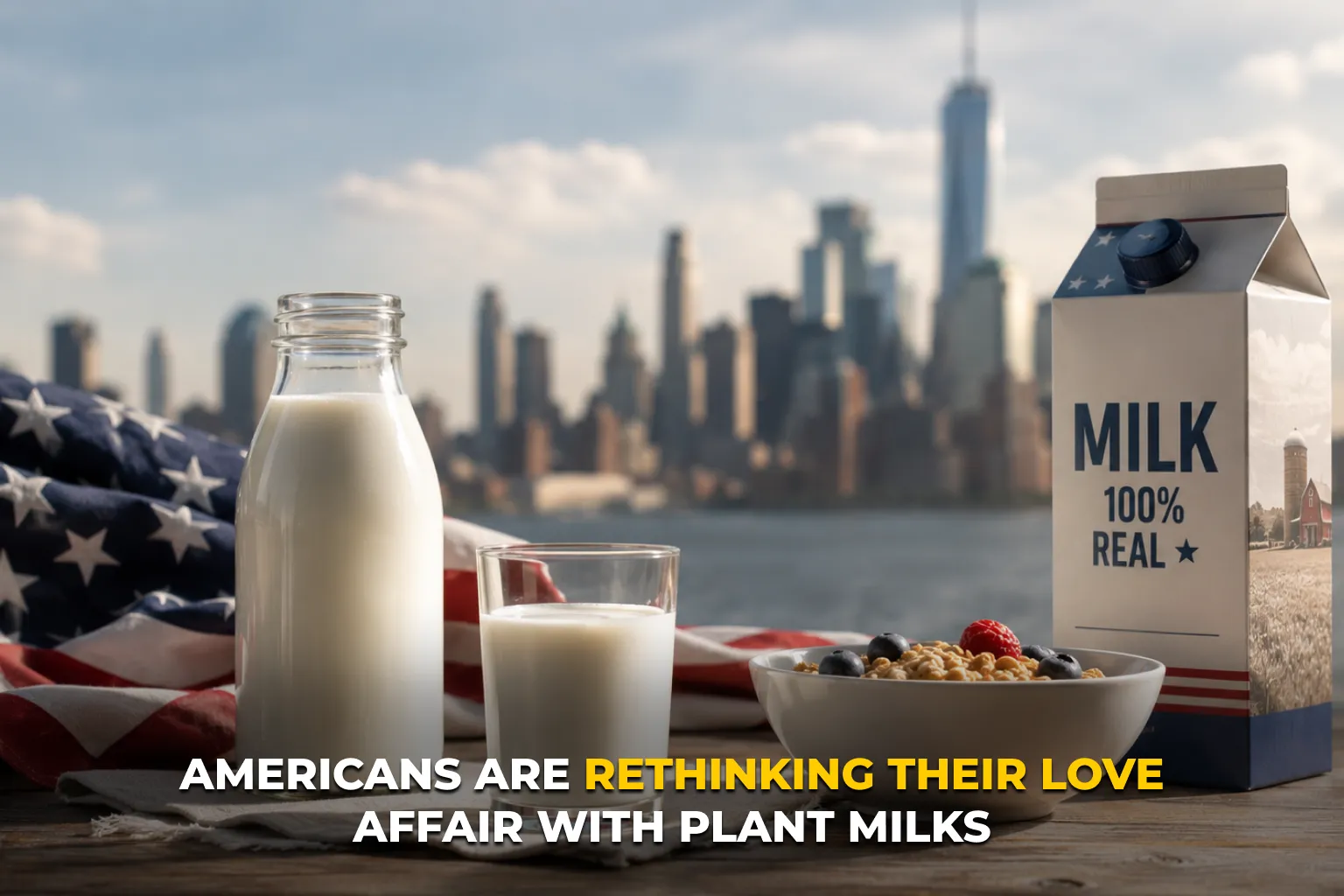
Retail sales of plant-based (dairy-free) milks in the US are falling for a third straight year, while cow’s milk holds firm, as consumers seek simpler diets with fewer ingredients and higher protein, Bloomberg reports.
A three-year decline
Retail sales by volume of dairy-free milks have fallen by more than 5% each year for three straight years, per market researcher Circana. Almond milk has been hardest-hit, and even oat milk has lost momentum, while US cow’s-milk retail sales — nearly $18 billion a year — keep chugging along, with similar trends in the UK and parts of Europe.
«People are cutting back from plant-based milk. They’re disappointed with the price, the taste and the heavy processing, and it’s low-protein comparatively to dairy milk. That is why dairy is winning», says Circana’s Melissa Altobelli.
Why shoppers are returning to cow’s milk
Alt milks entered the mainstream in the 2010s as consumers shunned animal products for eco-friendly, lactose-free options, but today’s households want simpler diets.
«The return to whole, unprocessed milk is about a desire for control», says Eve Turow-Paul of food group Bite — shoppers gravitate to simple, «Old World» products.
While alt milks can use few ingredients, some contain added sugar or thickeners like carrageenan, plus emulsifiers and seed oils for stability, notes dietitian Abby Langer.
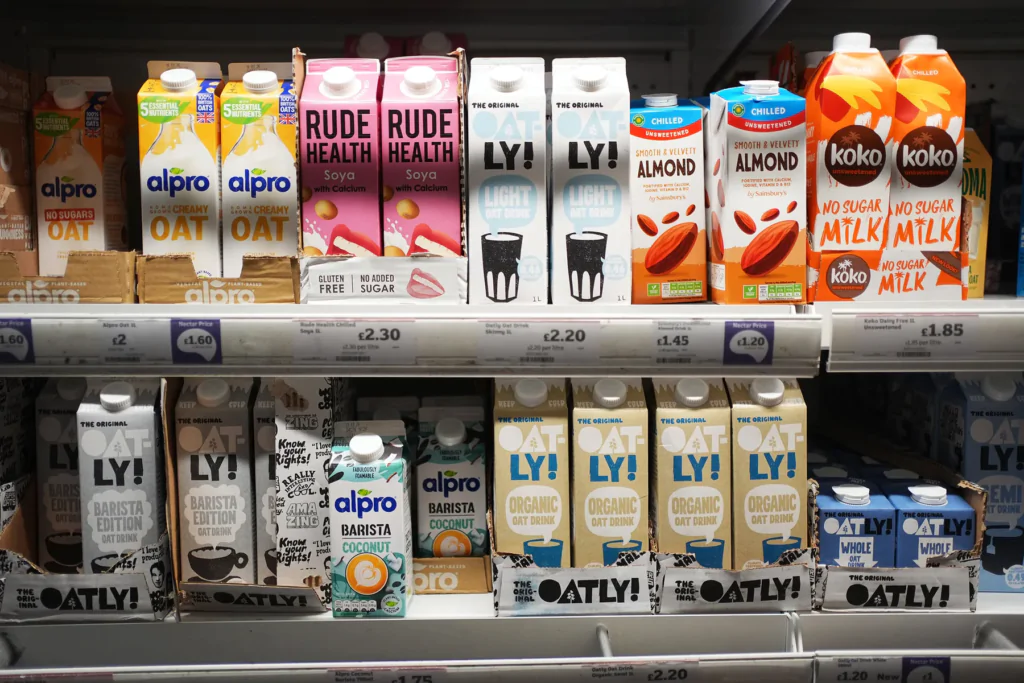
Cow’s milk’s naturally high protein, single ingredient and lower price (a US gallon averaged $4.22 in May, versus $4–5+ per half-gallon for many alt milks) make it feel like a «purer bet».
Producers rethink strategy — and bright spots
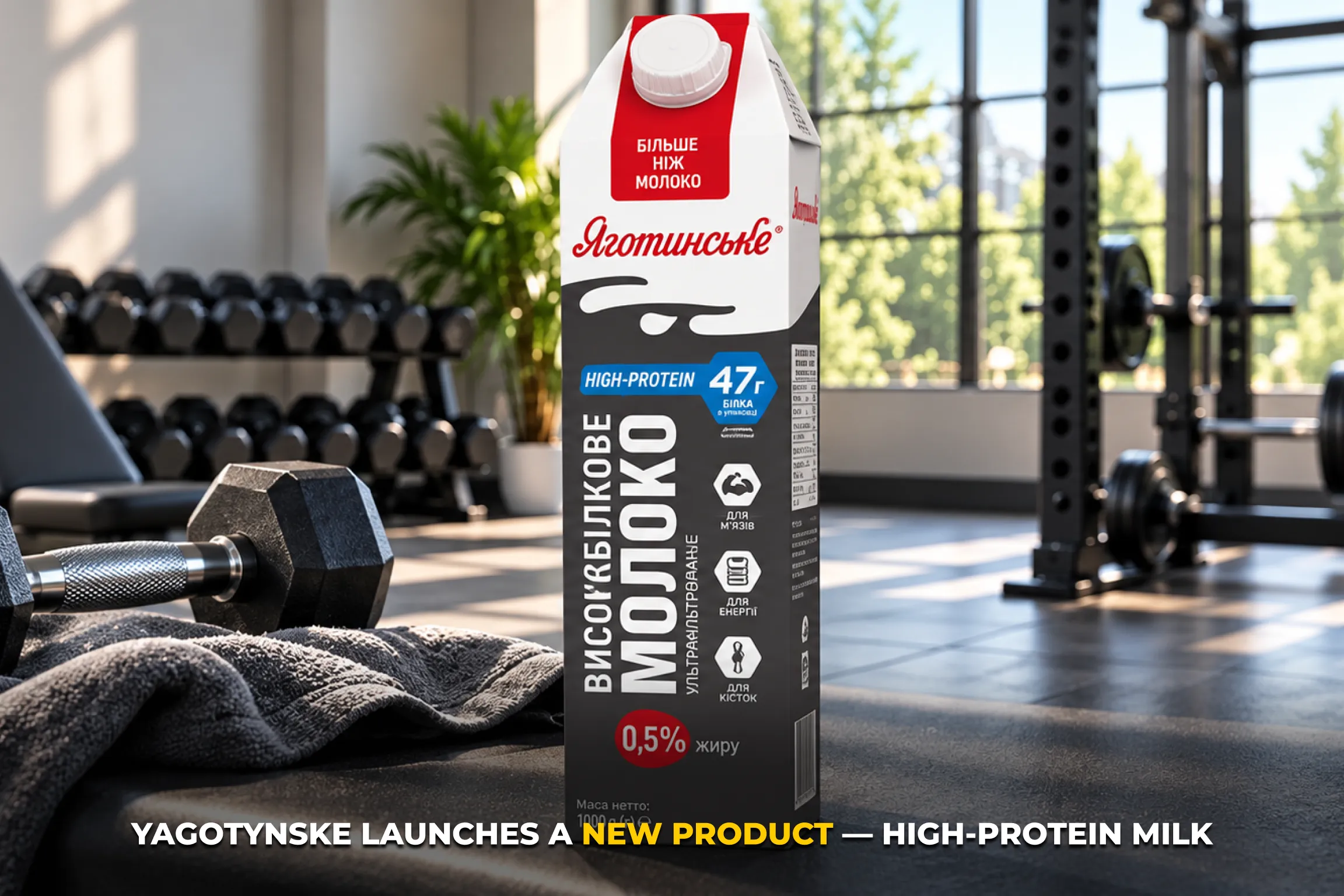
Danone, which appointed a new US plant-milk head after its CEO «lost patience» with North American sales, has rolled out high-protein Silk products, while Arla discontinued its UK plant-based brand last year and Innocent Drinks did so earlier.
Nestlé has scaled back and Unilever sold its fake-meat brand. Oatly is now worth below half a billion dollars, down from a ~$12 billion 2021 IPO.
Still, coconut milk volumes are growing, higher-protein soy is climbing, and Oddlygood keeps launching novel barista flavours. Oat milk stays strong in coffee shops — about one in four customers at London’s Kiss the Hippo orders it — and Oatly’s North American sales rose 1.7% in the first half, a turnaround from last year’s 11% decline.
Source: Bloomberg