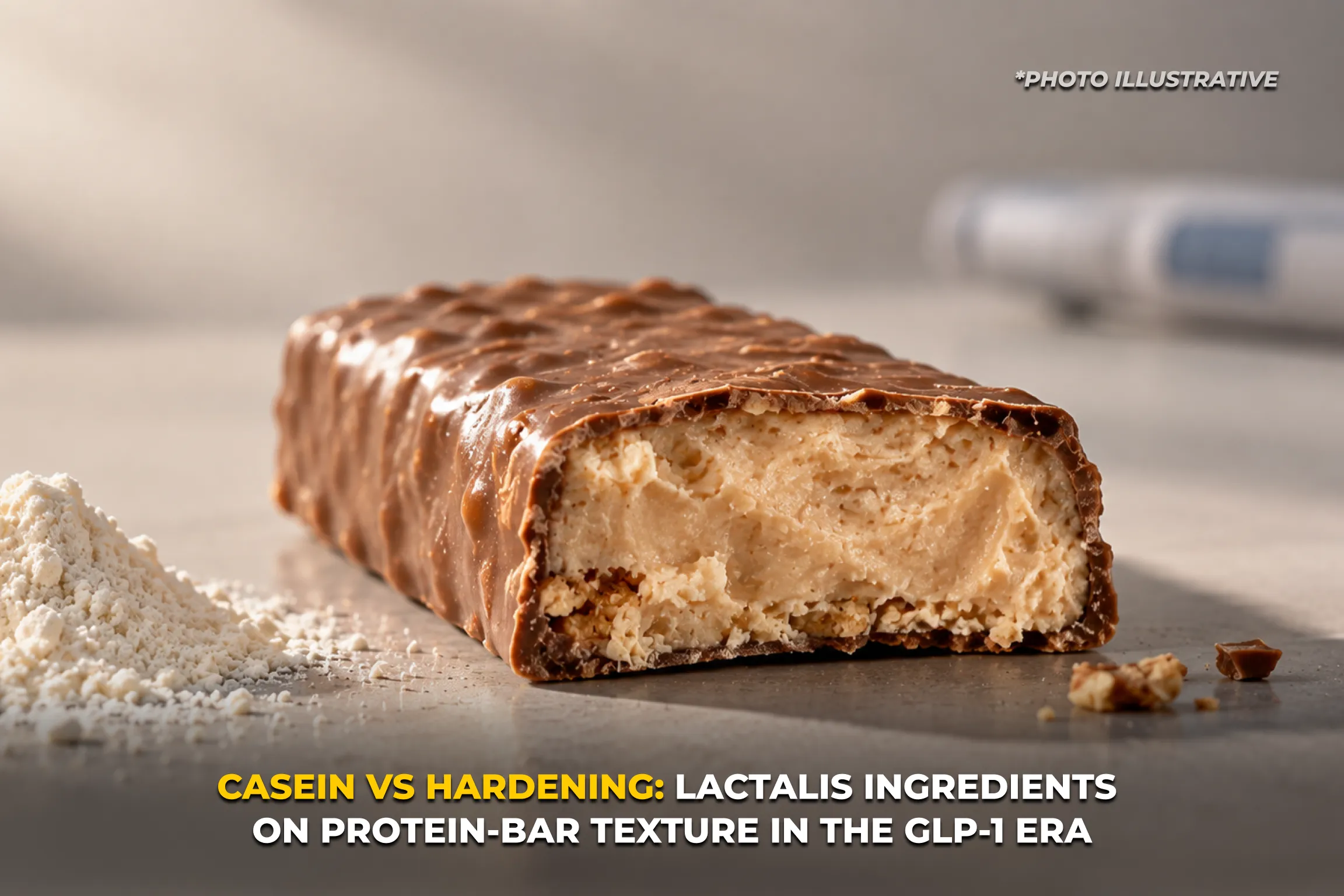

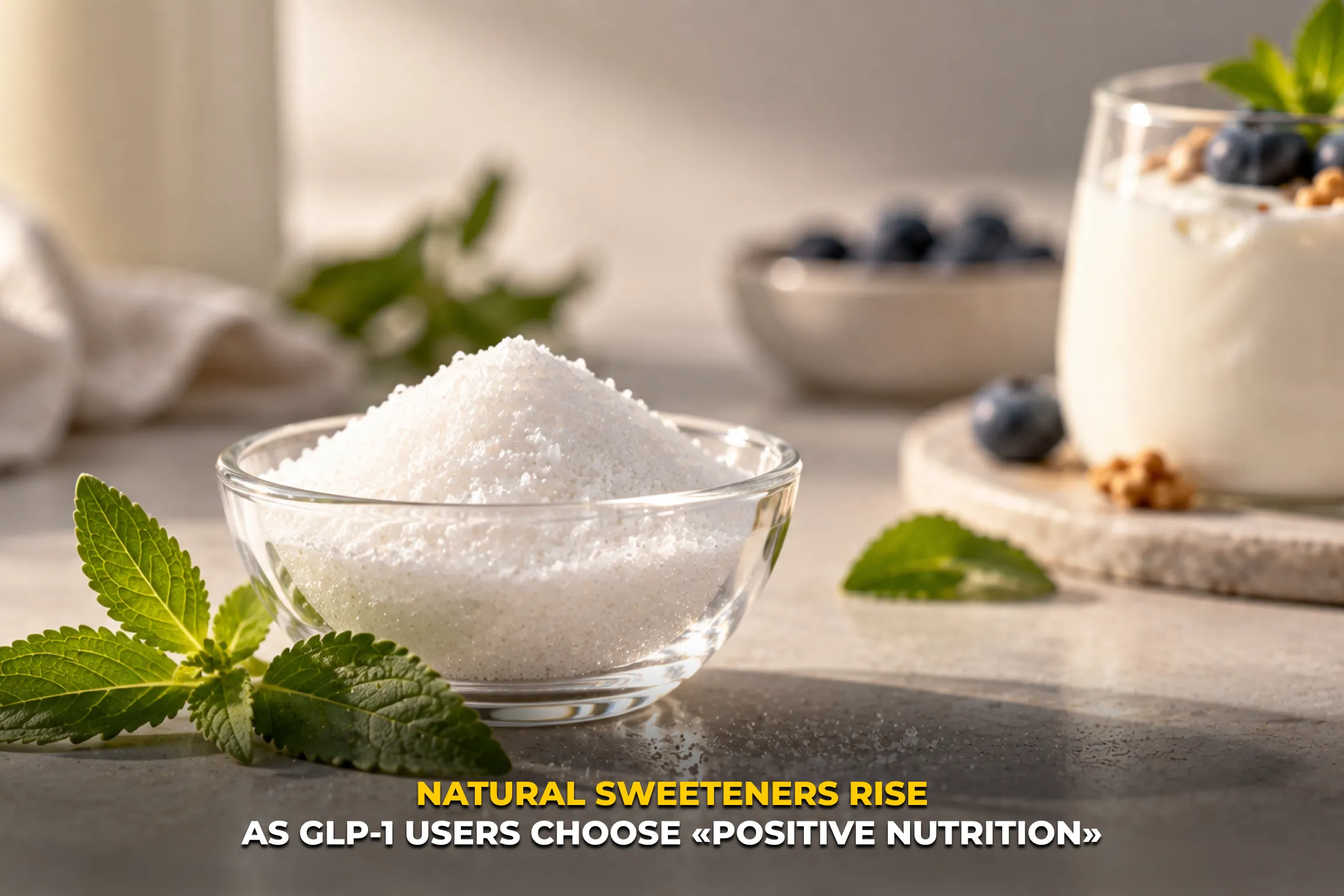
Brands are reformulating and launching products in response to GLP-1 use, label scrutiny and demand for natural ingredients.
Many brands are reworking existing products or creating new ones in response to shifting consumer trends driven by GLP-1 (glucagon-like peptide-1) medication use, closer attention to on-pack ingredient lists, and demand for natural products, Nutrition Insight reports.
In line with the clean label movement, the industry is innovating around healthier sweeteners to replace artificial additives, so consumers can enjoy food without giving up daily eating habits and indulgences. Nutrition Insight discussed emerging natural-sweetener trends with experts from Ingredion, Phynova, Layn Natural Ingredients, ADM and Mane.
„Sugar reduction is increasingly being viewed through the lens of positive nutrition rather than restriction alone,“ says Adams Berzins, senior manager of Sugar Reduction at Ingredion. Consumers, he adds, link lower sugar intake to broader wellness goals while scrutinising ingredients and seeking products they see as natural and familiar.
The rise of consumers on anti-obesity medications such as GLP-1 receptor agonists is accelerating the shift to sugar alternatives, Berzins notes: because these users experience appetite suppression and prefer smaller portions, they also want sweetness paired with nutrients such as protein and fiber. „For brands, the opportunity is not simply to remove sugar. It is to deliver products that provide more value, satisfaction, and nutrition in every serving.“
Supporting metabolic responses
The GLP-1 conversation has raised awareness of metabolic health, which goes beyond just lowering blood sugar, says Jewell Blackwell, director of Marketing, Americas at Phynova.
Consumers are grasping how blood-glucose swings affect energy, satiety, cravings, weight management and long-term health, while tools like continuous glucose monitors (CGM) make metabolic health more personal.
„Consumers can now see how different foods affect their own glucose responses and are discovering that there is no one-size-fits-all approach to nutrition,“ she says — many are making sustainable lifestyle changes based on what works for their own bodies rather than chasing fad diets.
As a result, shoppers want natural, science-backed solutions that fit their normal habits without ditching sugar or carbohydrates, Blackwell explains.

They read labels more carefully and expect transparency, clinically substantiated ingredients and clearly defined mechanisms of action rather than broad „blood sugar support“ claims — recognising that „sugar-free“ does not automatically mean „better for you“, especially amid growing awareness of ultra-processed foods and ingredient sourcing.
She spotlights Phynova’s Reducose as an ingredient that can help manage the metabolic response to sugars and carbohydrate-containing meals without giving up enjoyable foods.
Brands are being prompted to rethink formulation, with clean labels and easy-to-understand messaging still essential, notes James Roza, chief scientific officer at Layn Natural Ingredients.
„Rather than treating sugar reduction as a standalone claim, brands are incorporating it into a broader wellness story centered on metabolic health, satiety, sustained energy, and overall better-for-you nutrition,“ Roza says — a holistic approach increasingly shaping innovation across categories.
Indulging in natural sweeteners
ADM research finds natural alternative sweeteners are gaining ground, with almost 30% of consumers trying to increase their intake.
Sarah Diedrich, senior product marketing director, Global Sweetening & Texturizing Solutions at ADM, says many consumers are not only cutting sugar but shifting indulgence toward trusted, recognisable ingredients.
„72% of consumers say they are taking intentional steps to maintain their vitality, 49% pay attention to ingredient selection, and 47% are limiting artificial sweeteners,“ she says. Mood also drives choices: nearly 20% reach for comforting or indulgent options, 17% look to treat themselves and 14% seek balanced, nourishing snacks and meals, per ADM research.

These trends are driving demand for enjoyable, functional foods, drinks and supplements, Diedrich notes, especially as anti-obesity medication use grows. Indulgence does not disappear — consumers seek quality, natural ingredients in portion-controlled treats.
Sweeteners mask off-notes
Traditional sugar-reduction formulations that rely on artificial high-potency sweeteners and chemical preservatives are being challenged as consumers seek simpler, sustainable, natural and recognisable ingredients, reflects Erin Harman, category manager at Mane.
„The growth of GLP-1 medications is accelerating demand for nutrient-dense formats that provide benefits in fewer bites or sips. However, these functional ingredients can introduce animalic, fishy, cardboard-like, bitter, or lingering notes that negatively affect the overall sensory experience,“ Harman says.
Consumers want the benefits of functional ingredients without tasting their undesirable characteristics, he adds — and natural flavor systems can mask off-notes while enhancing positive attributes such as sweetness, saltiness, fattiness and mouthfeel.
Source: Nutrition Insight