
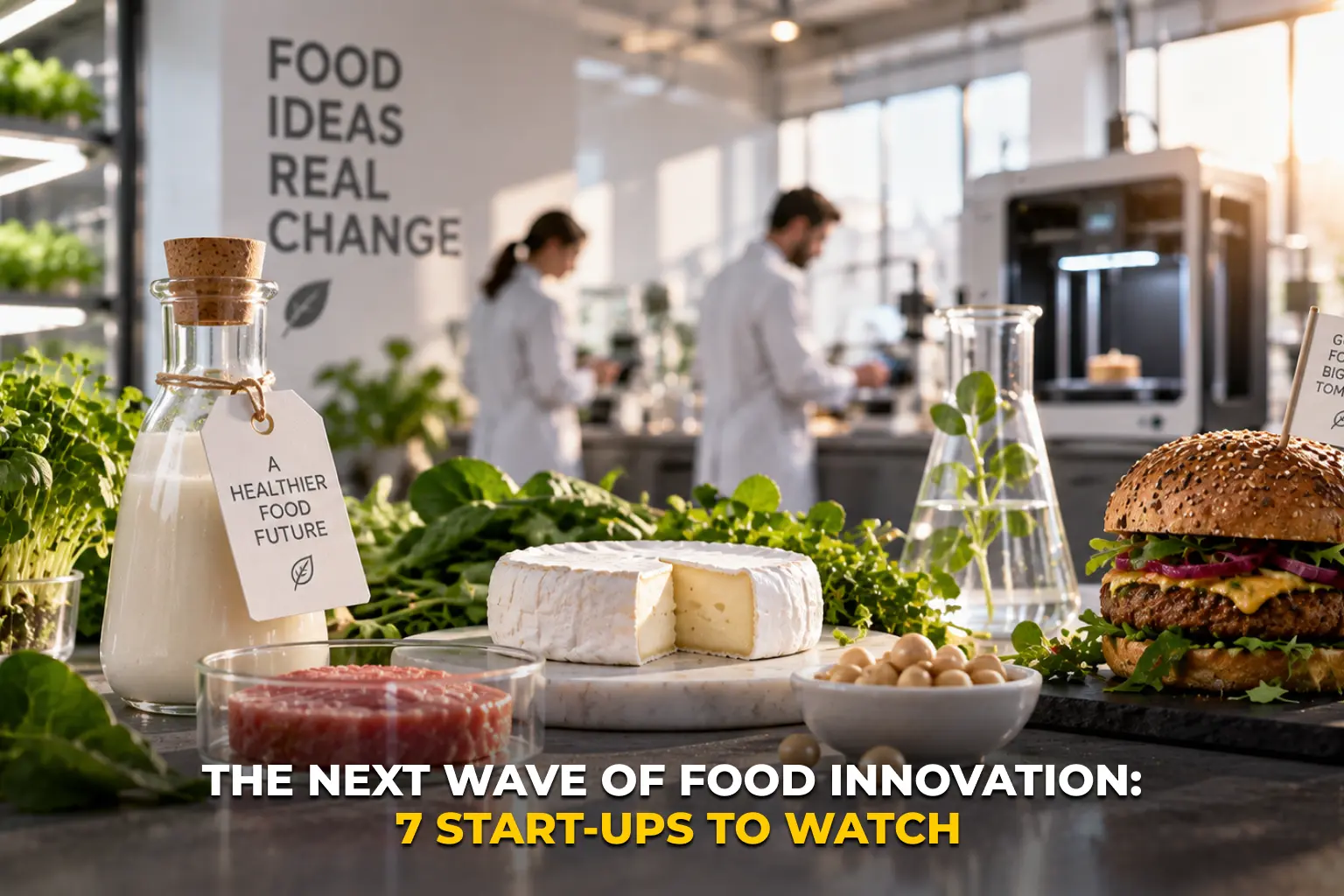
A new generation of food innovators is working on fermentation, functional ingredients, enzymes and reformulation — several of these technologies directly relevant to dairy processing.
A new generation of innovators is shaping the future of food — from fermentation and functional ingredients to novel enzymes, reformulation and nutrition solutions. Several of the featured start-ups are especially relevant to dairy, FoodNavigator reports, in a review of seven companies.
Dairy-relevant technologies
MicroLub (spun out of the University of Leeds) develops protein-based technologies that replicate fat’s lubrication using water, cutting fat and calories by up to 75% with no noticeable change in mouthfeel — in blind trials across categories including dairy and plant-based dairy, tasters couldn’t tell the reformulated product from the full-fat original, says CEO David Peters.
Potina, a children’s nutrition company selling plant-based kids’ milks in Tesco, is developing a delivery platform (patent pending) that separates sensitive proteins and bioactives during storage to preserve function in infant formula. It plans a comparative storage study measuring nutritional and sensory quality and bioactive function (starting with lactoferrin’s iron-binding state), says founder Adam Womersley.
Global Sustainable Transformation (GST) uses fermentation to convert local side streams into specialty fats — cocoa-butter equivalents, bakery fats and other functional oils — as alternatives to palm oil and cocoa butter, via its FHCR technology, says CEO Dr Mahmoud Masri.
Other start-ups in the review
- Biophelion (Jena, Germany) — a fermentation firm making specialty ingredients from a single multi-product process.
- Caffree — an at-the-point-of-use enzymatic decaffeination platform converting caffeine to theobromine without solvents.
- Biosense Solutions — imaging technology and algorithms for counting microorganisms and quantifying mould growth to evaluate preservatives and extend shelf life.
- Dapibuset — converts industrial side streams into a nutrient-dense ingredient (Mycospan) on site via modular units.
Source: FoodNavigator