
As Dairy Reporter points out, consumers want more protein — but at the same time they expect the drinks to taste good.
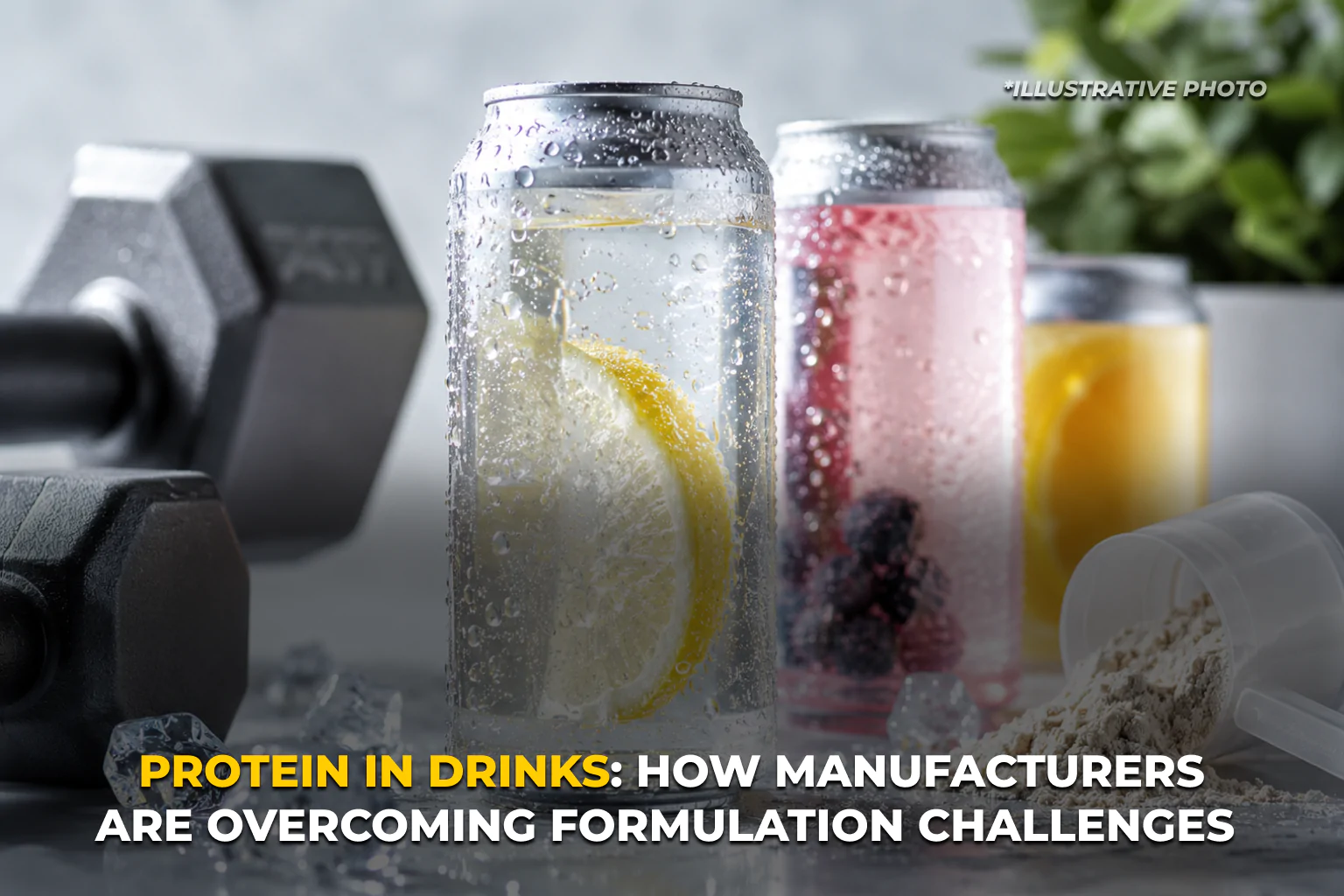
Protein continues to make significant inroads into various categories of drinks — from coffee and milkshakes to new formats such as protein-infused sparkling water. However, manufacturers face a major technical challenge: it is difficult to incorporate protein into drinks without compromising on taste and texture.
The main challenges include a chalky or powdery aftertaste, bitterness, cloudiness and off-flavours. In a market where consumers are increasingly focused on taste characteristics, this is becoming a critical factor.
The formulation of protein drinks depends largely on the product category. In dairy drinks, protein has long been a standard ingredient, whereas in carbonated drinks, the situation is considerably more complex.
“The challenge with protein in a soda format is taste,” said Matthew Postlethwaite, co-founder of new protein soda Proda, which he’s just launched in the US with ex-Suja CEO Jeff Church.
According to Jeff Church, most proteins in carbonated systems break down, cause cloudiness or impart undesirable flavours.
To address this issue, Proda uses a clear whey protein isolate, which helps to preserve the drink’s lightness, clarity and refreshing taste.
However, developing the recipe proved to be a challenge. According to Postlethwaite, it took the company around 18 months to perfect the formula.
“Protein naturally has a heavy, chalky or ‘functional’ taste. We spent a long time refining the system so you get something that feels light and drinkable, with no aftertaste,” he explained.
Experts point out that for the average consumer, taste remains more important than functionality. Whilst the sports nutrition market is prepared to accept certain compromises, the general public is not.
Danny Stepper, CEO of LA Libations, believes that only those protein drinks that manage to combine health benefits with a pleasant drinking experience will be successful.
“The protein drinks that are going to win are the ones that have the right dosage,” he said.
In his view, an excessive protein content has a negative impact on the flavour profile. That is why many brands opt for around 10 g of protein per tub.
“As much as you’d love to have 20g of protein in your soda, there’s no way to make it taste good. So I think staying at or below 10g is key. That’s the magic number,” Stepper added.
In fact, this is precisely the protein content used by the brands Proda, Skypop and Koia.
The type of protein remains an important factor. In beverage production, both milk proteins — specifically whey isolate and casein — and plant-based sources, including peas, soya and legumes, are used.
The choice of ingredient depends on the type of drink and the desired flavour profile.
Betty Kaufman, strategic director of F&B innovation consultants The Culinary Edge, notes that the technical challenges are justified by the high demand for protein-rich foods.
“The formulation challenge is real,“ she said. ”Protein is difficult to stabilise in a carbonated, low-pH environment,” she said.
However, according to her, brands that manage to overcome these technological barriers without compromising on taste or the refreshing effect will gain a significant competitive advantage.
Source: Dairy Reporter